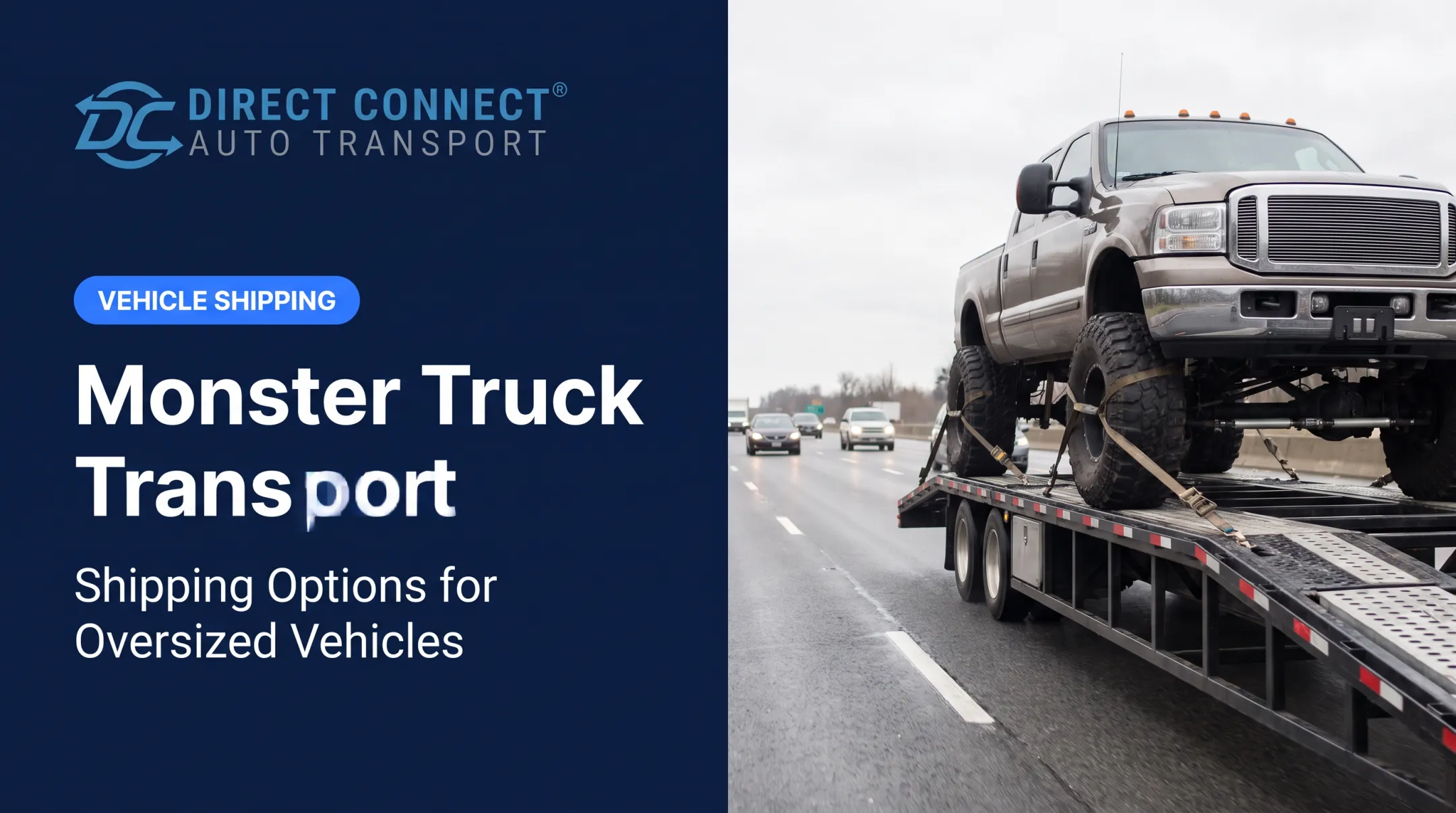
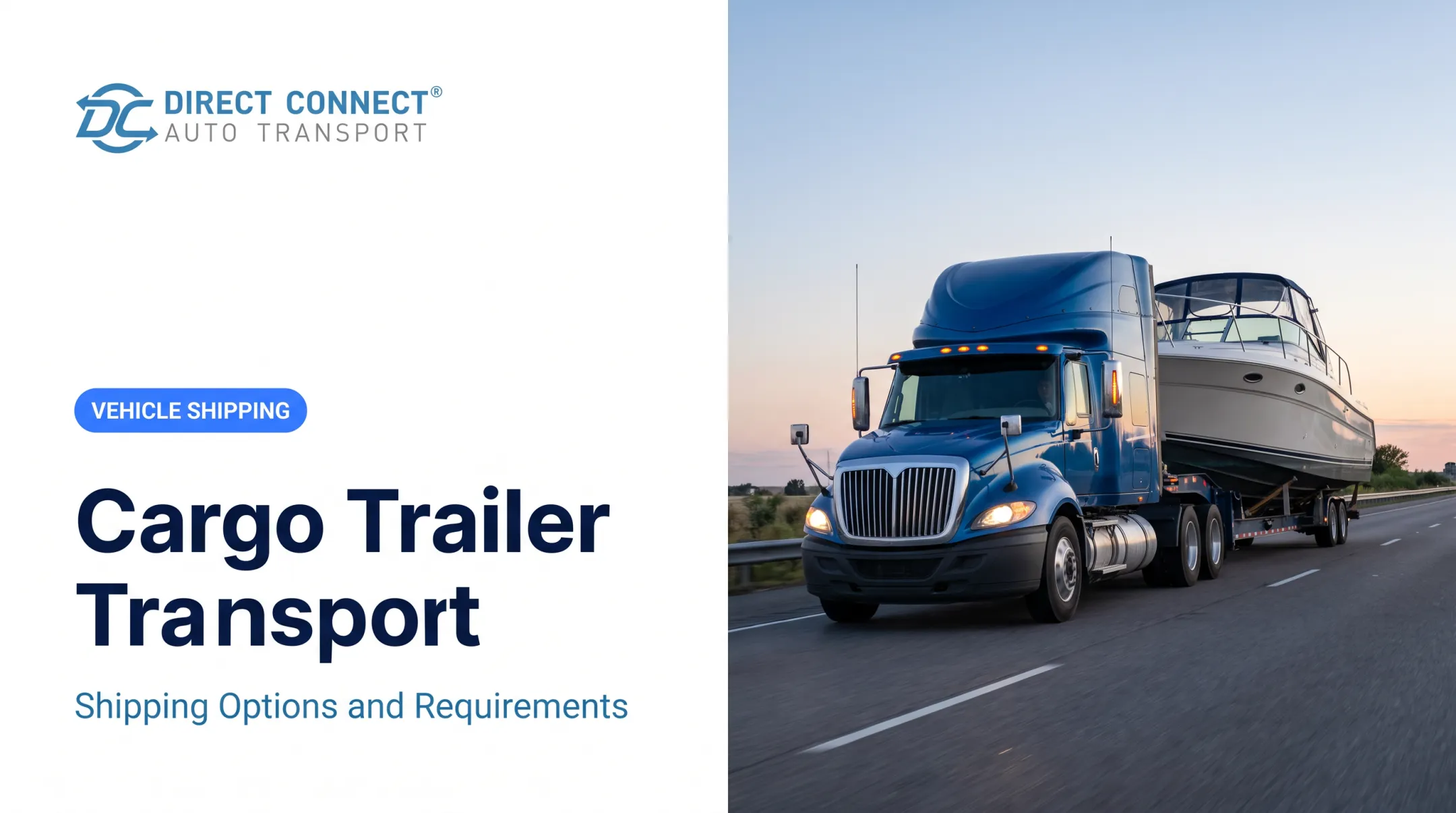
"Heavy vehicle" also covers a lot of ground: heavy-duty pickups, semis, RVs, buses, construction machinery. The right method depends on weight, dimensions, condition, value, and where the vehicle sits at pickup and delivery.
This guide covers shipping options, preparation, legal points, cost factors, and how to vet a provider.
Key Takeaways
- Heavy vehicles often need flatbeds, step decks, lowboys, or enclosed trailers rather than a standard auto carrier.
- Exact weight, height, width, length, and condition are required for a usable quote.
- Oversized loads may need permits, escorts, and travel-time limits that vary by state.
- Inspect and photograph the vehicle at loading and delivery, and confirm claims procedures upfront.
What Types of Vehicles Are Considered Heavy Vehicles?
No single definition applies everywhere. The terms overlap but aren't interchangeable:
- Heavy-duty vehicle: a weight category. Under the DOE/FHWA scheme, Classes 7 and 8 (26,001 lb and up) are heavy duty.
- Heavy equipment: wheeled or tracked machinery such as loaders, bulldozers, and tractors.
- Oversized or overweight load: anything exceeding a road's legal dimensions or weights, regardless of class.
A heavy-duty truck isn't automatically oversized, and a lighter vehicle on a tall trailer can be. Examples include heavy-duty pickups, commercial trucks, semis, buses, motorhomes, RVs, and construction vehicles.
Why Classification Depends on More Than the Name
Classification turns on several factors:
- Gross vehicle weight rating (GVWR) and actual weight
- Dimensions and axle configuration
- Trailer combination
- Whether the vehicle is operational
Federal rules use different triggers. Interstate safety rules for commercial motor vehicles start at 10,001 lb, while weight-based CDL groups generally begin at 26,001 lb. Federal securement rules apply to wheeled or tracked equipment weighing 10,000 lb or more.
Shipping a Vehicle vs. Driving It
Shipping a vehicle is a different matter from driving it. A carrier moving your truck needs the right authority and driver qualifications.
If you drive a motorhome yourself, state licensing applies. Personal-use RV exemptions exist, but they vary: Texas may still require a noncommercial Class A or B license, and California ties license class to length. Check your state's current rules.
Heavy Vehicle Shipping Options
Open vs. Enclosed Transport
Open carriers cost less and carry more vehicles. They expose cargo to weather and road debris. Enclosed trailers protect restored, exotic, or high-value vehicles.
In Direct Connect's passenger-vehicle data, open transport covers 85% of shipments, while enclosed adds roughly 40-60% to base cost. Those figures come from car shipping and don't transfer neatly to buses or RVs, so ask for a heavy-vehicle quote.
Flatbed, Step-Deck, and Lowboy Trailers
Flatbeds handle vehicles that are too wide, tall, heavy, damaged, or oddly shaped for a car carrier. Deck height varies by model. One manufacturer lists a 60-inch front deck on a flatbed.
Step-deck trailers drop the rear deck lower (one model lists 40 inches). Lowboys go lower still. Fontaine's Renegade 14 has a 14-inch deck, which helps with tall construction vehicles, buses, and machinery facing clearance limits.
Structural ratings don't equal legal road payload, though. Axle and tire ratings still decide legal loads.

Specialty Options
- Heavy-haul trailers: multi-axle setups for concentrated loads.
- Power-only: a carrier supplies the truck while the trailer comes from elsewhere. It isn't the same as driving your vehicle.
- Drive-away: professional drivers drive the vehicle itself, practical only if it's operable, registered, and road legal.
- Winch or crane loading: for non-running units. Winching typically adds $150-$300 on standard vehicles.
Choosing a Method
| Shipment | Likely method |
|---|---|
| Operable, standard size, weather exposure acceptable | Open transport |
| High-value, restored, exotic, weather-sensitive | Enclosed transport |
| Unusual dimensions, non-running, special loading | Flatbed, step-deck, or lowboy |
Direct Connect Auto Transport offers open, enclosed, and flatbed shipping, and its DC Heavy Haul division handles heavy and oversized vehicle transport. Not every vehicle qualifies for the same equipment, so details drive the match.
Requirements for Shipping a Heavy Vehicle
Before Requesting a Quote
Gather:
- Year, make, model, and VIN
- Operating condition
- Actual weight, or your best estimate
- Height, width, length, and wheelbase
- Attached equipment or modifications
Add clear photos. Flag low ground clearance, oversized tires, racks, cranes, lift equipment, loose components, fluid leaks, and disabled brakes. These affect how the vehicle loads and gets secured.
Pickup and Delivery Access
Both sites need space, stable ground, safe approach routes, and overhead clearance. If a residential street or job site won't work, arrange a nearby commercial lot or terminal.
Settle site logistics early: docks, ramps, cranes, forklifts, winches, personnel, operating instructions, and who handles loading and unloading.
Legal, Safety, and Documentation
Oversized or overweight shipments may need permits, approved routes, escorts, flags, signs, and restricted travel windows. Examples show how much states differ:
- Texas: width over 14 through 16 ft needs a front escort on two-lane roads and a rear escort on multilane roads.
- Florida: permits start above 102 inches wide or 13 ft 6 in tall.
- California: Caltrans permits apply above 8 ft 6 in wide, 14 ft tall, or 80,000 lb.
Verify current rules with each state's DOT. Your carrier normally handles permits, but confirm that.
Vet the carrier on:
- Operating authority and driver qualifications
- Equipment capacity for your load
- Written terms and a damage-reporting process
- Cargo insurance in writing (not only liability limits)
Direct Connect's USDOT number is 2823098, and you can look up any carrier on FMCSA's SAFER system. Federal public liability minimums start at $750,000, but the federal cargo filing requirement is $0, so confirm actual cargo coverage before you book.

Preparing the Vehicle and Delivery
- Remove loose items and secure movable parts.
- Clean around tie-down points.
- Fix leaks where possible.
- Follow manufacturer guidance on towing, battery, and fluids.
- Reduce fuel to about a quarter tank (Direct Connect's usual guidance).
- Lower and lock booms, platforms, and turntables.
At pickup, photograph existing damage and record condition on the bill of lading. At delivery, inspect before signing, note new damage on the paperwork, and report it promptly.
Formal claims need a written request for a specific amount; a damage notation alone isn't enough. Federal rules give at least 9 months to file.
Costs and How to Choose a Transport Provider
What Shapes the Price
No single price range fits every heavy-vehicle move. Quotes reflect:
- Distance and route difficulty
- Weight and dimensions
- Trailer type and loading equipment
- Operability and site access
- Permits, escorts, and route surveys
- Seasonality and delivery timing
- Insurance requirements
Maersk's heavy-haul guide points to dimensions, distance, permits, route complexity, fuel, and escorts. Longer routes crossing more states can multiply permits.
Getting an Accurate Quote
Share these details up front so carriers can price the job correctly:
- Origin and destination
- Desired pickup and delivery dates
- Vehicle specs, photos, and operating condition
- On-site loading resources
- Whether the move is multi-vehicle or corporate
Compare written quotes line by line. Confirm each one covers:
- Permits, escorts, and loading
- Fuel, insurance, and tracking
- Cancellation terms, detention, and storage
- Address-change fees
Treat published estimates as nonbinding until you have a firm, written price.

Carrier Checklist
- Verified authority
- Appropriate insurance
- Heavy-haul experience
- Suitable equipment
- Clear communication
- Delivery documentation
- Customer reviews
- A defined claims process
Direct Connect works through a vetted carrier network, offers shipment updates, and helps coordinate between customer, carrier, and insurer on claims. Ready for a heavy or oversized vehicle quote? Contact Direct Connect Auto Transport at 800-980-2222 and ask about equipment, pricing, tracking, and delivery requirements.
Frequently Asked Questions
How much does it cost to transport heavy equipment?
It depends on distance, size, weight, equipment, operability, permits, loading needs, route complexity, and timing. Request a route-specific quote.
What types of vehicles are considered heavy vehicles?
Heavy-duty trucks, buses, RVs, semis, specialty vehicles, and equipment all qualify in different contexts. Legal classification depends on current weight and dimension rules.
What is the heaviest vehicle you can drive without a CDL?
There's no universal answer. The common federal single-vehicle trigger is 26,001 lb, but passenger, hazmat, combination, and state personal-use rules differ. Check your state.
What permits are required to ship an oversized vehicle in the US?
Permit, route, escort, signage, and travel-time rules vary by state and dimensions. Confirm with each state's DOT or your transport provider.
How should I prepare a heavy vehicle for transport?
Remove loose items, photograph the vehicle, note its operating condition, and secure components. Provide keys and documents, ensure loading access, and inspect before signing at delivery.