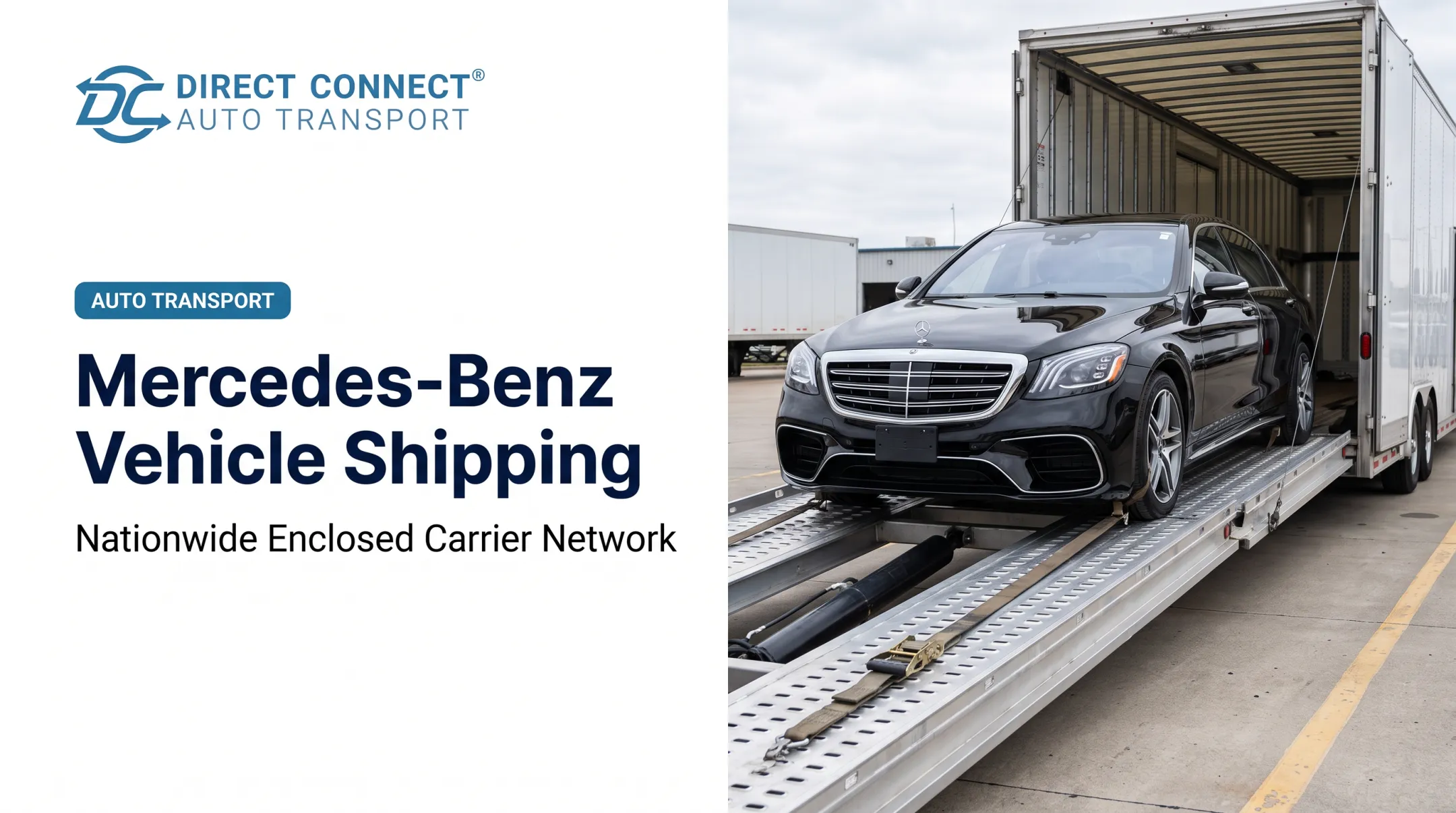
This guide walks through picking the right transport method, documenting your vehicle properly, confirming what coverage actually protects you, tracking the shipment in transit, and evaluating specialized auto-transport providers across the United States.
Key Takeaways
- "High-value" covers more than price tags : rarity, restoration quality, and non-running status all matter
- Enclosed transport, careful loading, and condition reports limit exposure to weather, debris, and disputes
- Confirm cargo coverage, exclusions, and declared-value rules before you sign anything
- Compare providers on equipment and vetting, not just the lowest quote
What Makes a Vehicle High-Value or Specialized to Ship?
A vehicle doesn't need a six-figure price tag to require specialized handling. Classic, collector, exotic, luxury, restored, rare, competition, and heavily modified vehicles often need more care than a standard commuter car, even when putting an exact dollar figure on them is tricky.
Condition Changes the Whole Plan
Before requesting a quote, figure out exactly what category your vehicle falls into:
- Running: starts, brakes, and steers normally
- Rolling: moves but may not run reliably
- Non-running: won't start or stay running
- Partially disassembled or salvage: missing parts or structural work in progress
- Restored or modified: recently rebuilt, lowered, widened, or fitted with aftermarket parts
Direct Connect Auto Transport's own booking tool includes a "vehicle is not running" option precisely because this detail changes which equipment and loading approach a carrier needs to use.
The Risks Unique to Valuable Vehicles
Ordinary cars tolerate the occasional stray pebble or rain shower. Rare and restored vehicles don't have that margin for error. The main risks include:
- Road debris and weather exposure during open transport
- Improper tie-down or loading on vehicles with low ground clearance
- Scraped bumpers or splitters during on/off-ramp loading
- Delivery delays that conflict with a show, auction, or sale date
- Disputes over whether damage existed before the shipment started
Accurate details at booking (make, model, dimensions, ground clearance, wheel and tire modifications, fluid leaks, and whether it can be driven on and off a trailer) let the provider match the right trailer and crew the first time. Guessing here is how mismatched equipment and avoidable damage happen.
Standard shipping typically means an open, multi-car trailer with minimal fuss. Specialized shipping for valuable vehicles usually looks different: enclosed equipment, fewer stops and handling points, a more thorough inspection at both ends, and tighter scheduling around a delivery date that actually matters.

How Are Valuable Vehicles Protected From Pickup to Delivery?
Protection starts before the truck even arrives. A proper pre-shipment inspection means photographing every side of the vehicle, noting existing scratches or dents, recording the odometer reading, and listing any aftermarket accessories. Keep a signed copy of that condition report along with your shipping paperwork. It is your reference point at delivery.
Loading and Securement
Low-clearance, modified, non-running, or unusually heavy vehicles need specific handling:
- Ramp assessment: confirm ramp angle and track width fit your vehicle's clearance
- Winching or loading assistance: arranged in advance for non-running cars
- Approved tie-down points: structural mounts, not bumpers or splitters
- Wheel and body protection: padding or wheel straps to prevent rim and panel damage

Federal rules back this up directly. Under 49 CFR 393.128, automobiles and light trucks weighing 10,000 lbs or less must be restrained front and rear with at least two tiedowns against lateral, forward, rearward, and vertical movement. That baseline is mandatory for every legitimate carrier.
Open vs. Enclosed: What You're Actually Trading Off
| Factor | Open Transport | Enclosed Transport |
|---|---|---|
| Weather/debris exposure | Fully exposed | Shielded |
| Availability | High, faster booking | Limited, fewer carriers |
| Typical cost | Lower | 40–60% higher |
| Best fit | Lower-value, durable vehicles | Exotics, classics, show cars |
Direct Connect's hard-sided enclosed carriers run on air-ride suspension, which cuts down on the jostling that road debris and potholes cause on open trailers.
Staying Informed, Start to Finish
Real visibility matters as much as physical protection. Look for pickup confirmation, location updates or live tracking, milestone communication, and a clear way to escalate if the schedule shifts.
At delivery, protect yourself with a quick final check:
- Inspect the vehicle before signing anything
- Compare it against the pickup condition report
- Photograph any new issue and note exceptions on the paperwork
- Start the provider's claims process right away, not weeks later
Planning the Right Transport Method and Equipment
Enclosed transport makes sense for rare, restored, show-ready, exotic, or weather-sensitive vehicles. Hagerty's shipping guide points to hail and road debris as the specific risks enclosed trailers address, exposure open carriers simply can't avoid. Still, the right call depends on your vehicle, route, timing, and how much risk you're willing to accept.
Open transport remains a reasonable option for a valuable but durable vehicle. It's more widely available, typically books faster, and costs less, just not the right fit for anything with a delicate finish or low clearance.
When You Need Something More Specialized
A handful of scenarios call for tailored equipment beyond a standard enclosed trailer:
- Oversized vehicles needing a flatbed or liftgate
- Low-clearance cars requiring specific ramp angles
- Non-running vehicles needing winch assistance
- Motorcycles and RVs with unique loading requirements
Pre-Shipment Checklist
Before pickup day, work through this list:
- Remove all personal items (carrier insurance won't cover them)
- Reduce fuel to roughly a quarter tank
- Disable alarms or immobilizers, or leave clear instructions
- Secure or remove loose accessories
- Pack a spare key for the driver
- Disclose modifications or mechanical issues in writing
Also flag anything unusual about pickup or delivery access (narrow driveways, gated communities, steep approaches, loading docks, or auction sites). If access is tight, arranging a nearby meeting point often saves everyone a headache.
Coverage, Cost, and Choosing a Specialized Provider
Cargo coverage, contractual liability, declared value, and your own auto insurance are four different things, and conflating them is a common mistake. Here's the breakdown:
- Carrier cargo coverage: protects the vehicle while it's physically in transit, subject to exclusions
- Contractual liability: what the provider agrees to in writing, separate from insurance
- Declared value: the amount you've stated the vehicle is worth, which can cap a claim payout
- Your own policy: may or may not extend to transit; check before you assume it does
The FMCSA's insurance requirements currently list $0 in federally mandated cargo insurance for non-hazardous, for-hire property carriers. That means there's no guaranteed federal minimum cargo policy protecting your car.
Whatever coverage exists comes from the carrier's own policy and your written agreement. Always ask for proof of coverage, review exclusions and deductibles, confirm unattended-vehicle provisions, and note the claims deadline before you book.
What Actually Moves Your Quote
Several variables swing pricing more than people expect:
- Route, distance, and season
- Open versus enclosed equipment
- Vehicle size, weight, and whether it runs
- Pickup/delivery access difficulty
- Expedited timing or specialized loading
- Any extra storage or handling needs
Evaluating a Provider
Direct Connect Auto Transport ships vehicles nationwide, including Alaska, Hawaii, and Puerto Rico, through a carrier-managed network rather than owning its own trucking fleet. The company offers open, enclosed, and specialty equipment, online quotes, real-time tracking, and advertises a damage-free guarantee covering repairs if damage happens on its watch.
Those features matter, but verify them against your specific vehicle, route, and the written terms you're actually signing, not just what's advertised on a homepage.
Frequently Asked Questions
What is considered high value freight?
There's no single vehicle-only dollar threshold. Value, rarity, condition, and how hard a vehicle would be to replace all factor into whether it needs specialized handling : that's different from general freight classifications used outside auto transport.
What do you need to consider when transporting a high value cargo of cigarettes?
This guide focuses on vehicles, not tobacco shipments, which fall under separate regulatory rules. That said, the underlying principles transfer: accurate declarations, suitable coverage, secure handling, and solid documentation matter for any high-value cargo.
What are the three types of BL?
Bills of lading are categorized differently depending on the shipment and legal context, generally splitting into negotiable and nonnegotiable forms. Vehicle shippers should confirm exactly what documents their provider uses (the transport agreement, inspection report, and delivery receipt all matter).
Is enclosed transport necessary for a valuable vehicle?
Enclosed transport is often the preferred choice for rare, restored, exotic, or weather-sensitive vehicles. But the right decision weighs your vehicle's condition, the route, the season, your budget, and your tolerance for risk.
What should I document before shipping a valuable vehicle?
Take thorough photographs, note any pre-existing damage, record mileage and accessories, list keys and operating condition, and disclose modifications and dimensions. Get a signed pickup condition report you can compare against the vehicle at delivery.