


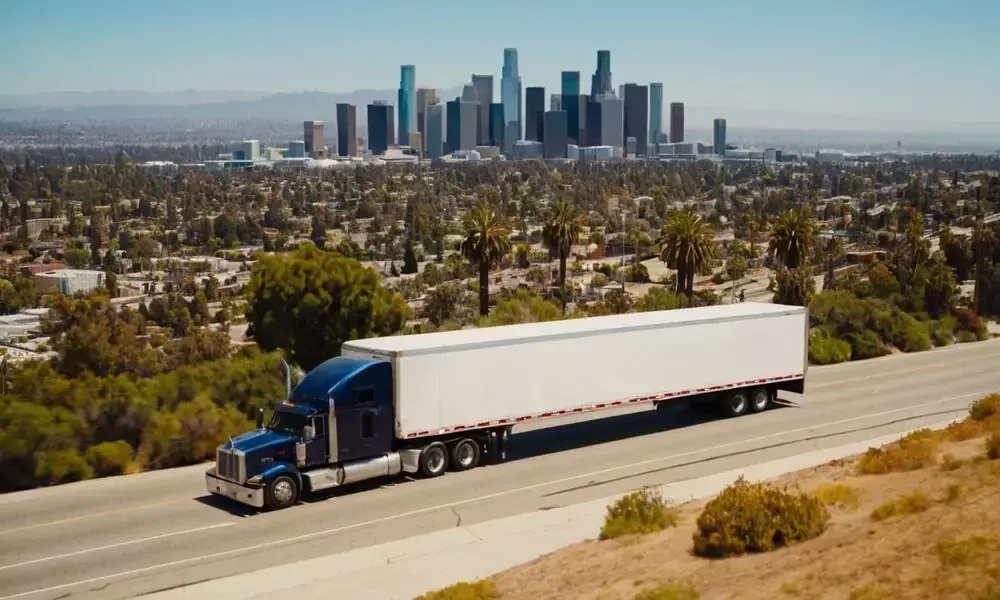
Why is LA to Denver a Challenging but Popular Route?
At first glance, shipping a car from Los Angeles to Denver might look like a straightforward long-distance job. Just over a thousand miles, roughly 4 to 6 days in transit.
But anyone who has managed Los Angeles to Denver car transport knows that this route is anything but simple. It is shaped by mileage, growing demand, shifting lifestyles, and the one-of-a-kind geography that connects California to Colorado.
For many families and professionals, the move represents a lifestyle change. It is centered on exchanging beachside living for mountain air and a slower rhythm in the Rockies. Denver’s access to year-round outdoor adventure, combined with a more balanced pace of life, has become a major draw.
Altogether, California to Colorado shipping has grown because of Denver’s role as a rising tech hub. Job transfers and relocations are common, pulling skilled talent from Los Angeles and Silicon Valley. For these professionals, flying into a new role while having their car shipped safely across the mountains is far more practical than taking on the elevation-heavy drive themselves.
Then there is seasonal demand. Every winter, Denver becomes the gateway to some of the country’s most iconic ski destinations. From November through March, mountain route car shipping requests surge as second-home owners, skiers, and snowboarders bring vehicles up for the season. Summers fuel another wave of demand, often tied to relocations timed around favorable weather.
And of course, the cost of living plays its part. As Los Angeles continues to see housing and living costs climb, many are drawn to Denver’s relative affordability. The decision to relocate comes bundled with the choice to ship rather than sell a vehicle.
LA to Denver Car Shipping Cost Analysis
When it comes to LA to Denver car shipping, cost is one of the first things customers want clarity on.
While the baseline distance of 1,015 miles sets the foundation, it is the route itself. Climbing from coastal flats through desert stretches and into high-altitude mountain passes makes pricing more complex than a standard cross-state delivery.
Fuel consumption rises with elevation changes, and carriers account for the wear-and-tear that comes with mountain driving. Insurance premiums also play a role, since weather unpredictability in the Rockies adds a layer of risk.
Seasonal demand further impacts pricing. A move in January costs more than a booking in late spring or early fall, when carriers must use chains and face reduced availability.
Vehicle type and transport method are the other major factors. Compact sedans fall at the lower end of the cost range, while SUVs and pickup trucks cost more due to weight and size. Open transport is the most economical choice. Although enclosed carriers are more expensive, they offer protection against mountain weather and road debris.
For customers in a hurry, rush or guaranteed delivery options are also available for mountain route car shipping. But they add a premium on top of the standard price.
|
Vehicle Type |
Open Transport |
Enclosed Transport |
Seasonal Variation |
Rush/Guaranteed Delivery |
|
Standard Sedan |
$800 to $950 |
$1200 to $100 |
$100 to $200 |
$200 to $300 |
|
SUV/ Small Truck |
$950 to $1200 |
$1400 to $1600 |
$150 to $250 |
$200 to $400 |
|
Large Truck/ Luxury Vehicle |
$1100 to $1300 |
$1500 to $1700 |
$200 to $300 |
$300 to $500 |
Mountain Route Logistics & Challenges
Shipping a car from Los Angeles to Denver involves a route shaped by steep climbs, sudden weather shifts, and high-altitude demands. The right planning and carrier expertise make all the difference.
Primary Shipping Routes
The most common path for LA to Denver car shipping is I-15 North out of California, connecting with I-70 East through Utah and into Colorado. This route keeps carriers on major interstates and still brings them directly into the heart of the Rockies. Elevation climbs above 11,000 ft. at certain points, with weather checkpoints that can slow progress.
Alternate routes through Nevada and Wyoming exist, but they add time and mileage. These are mainly used during severe closures on I-70 or when storms make mountain passes impassable.
Terrain-Specific Challenges
Key stretches like the Eisenhower Tunnel and Vail Pass are notorious for their demands.
The Eisenhower Tunnel enforces strict safety rules and oversized load restrictions, while Vail Pass can see snow well into late spring. Carriers need mountain-ready equipment, including powerful rigs for steep grades and braking systems designed for long downhill runs.
Thus, not every hauler qualifies for mountain route car shipping. Experienced drivers and specialized equipment are important to keep vehicles safe from mechanical strain and unpredictable mountain weather.
Seasonal Shipping Considerations
The timing of your Los Angeles to Denver car transport plays a major role in cost, availability, and overall transit experience. Each season brings its own challenges.
Winter Shipping from November to March
Winter is the toughest time for mountain route car shipping. Snow and ice on I-70 and other passes cause delays, with carriers required to use chains during storms. Limited daylight hours and unpredictable closures add to the risks.
Since not all drivers are qualified for winter mountain routes, carrier availability tightens and pricing climbs. Customers moving vehicles during this season should expect premium rates for mountain-experienced drivers and enclosed transport.
Summer Shipping from May to September
Summer offers the most favorable road conditions for California to Colorado shipping. Clear highways and longer days allow for smoother, faster transit. This season also sees peak demand. Families relocating, students moving for school, and vacation-home owners all contribute to higher booking volumes.
Pricing is typically standard, but availability can be competitive around late summer when relocations surge. Booking well in advance ensures you lock in timing and cost.
Shoulder Seasons of Spring and Fall
Spring and fall represent a balanced window for LA to Denver car shipping. Weather risks are moderate. Spring still carries late snow at higher elevations, while fall can bring early storms.
Carrier availability is at maximum, and pricing tends to sit between winter premiums and summer highs. For customers with flexible schedules, these shoulder months deliver the best mix of cost-efficiency and reliable service.
Open vs Enclosed Transport for Mountain Routes
When considering Open vs Enclosed Transport for mountain routes, the choice goes beyond simple cost differences. The high-altitude drive from Los Angeles to Denver exposes vehicles to unpredictable weather, steep elevation changes, and potential road debris along I-70. For many customers, open transport is a practical and budget-friendly solution, while enclosed carriers offer the peace of mind needed for luxury, classic, or high-value vehicles traveling across the Rockies.
|
Open Transport |
Enclosed Transport |
|
Exposure to snow, rain, and dust |
Complete protection from the weather |
|
Minor risk from road debris |
Completely shielded from road debris |
|
More affordable |
Premium pricing |
|
Adequate for standard vehicles |
Recommended for luxury, classic, or high-value cars |
|
Standard carrier handling |
High-end professional service |
Vehicle Preparation for Mountain Route Shipping
When planning LA to Denver car shipping, preparing your vehicle for the mountain route is the most important step. A little preparation beforehand can help you avoid unnecessary delays and keep the journey hassle-free.
Start by checking fluid levels, battery health, tires, and overall weather readiness, since elevation and climate shifts can strain a car. Before pickup, photograph the vehicle to document its condition and confirm insurance coverage. Also, share any special handling requirements with your carrier to ensure smooth transport.
Los Angeles and Denver Logistics
When arranging LA to Denver car shipping, both pickup and delivery require careful planning.
LA pickup presents its own traffic challenges. Nobody wants their carrier stuck in rush-hour gridlock on the 405. Beach communities like Santa Monica or Venice require extra coordination due to parking limitations and traffic patterns that would frustrate even GPS systems.
Denver delivery brings different considerations. Some vehicles need time to adjust to the altitude change: not common, but worth noting. Mountain community deliveries around Vail or Aspen require specialized routing and scheduling when traffic and parking become premium commodities.
Popular Sub-Routes and Destinations
For LA to Denver car shipping, pickups start in major LA areas such as Hollywood, West Hollywood, Santa Monica, Venice, Pasadena, and the San Gabriel Valley, with extension out to Orange County.
On the delivery side, carriers reach central Denver, Boulder, Fort Collins, suburban neighborhoods, and mountain destinations, including Vail and Aspen. Each pickup and delivery point comes with its own logistics considerations, and experienced car shipping companies plan around them.
Cost-Saving Strategies for Mountain Routes
Cutting costs on LA to Denver car shipping starts with timing. Planning your shipment during off-peak seasons or around favorable weather windows impacts pricing. Advance reservations and flexible delivery schedules also help secure better rates.
Other strategies involve smart service selection:
- Choose carriers that follow the most direct and reliable mountain paths.
- Terminal pickups or drop-offs reduce costs. Door-to-door service adds convenience but can be pricier.
- Select carriers who proactively monitor weather and adjust routes.
Why Choose Direct Connect for LA-Denver Mountain Shipping?
Navigating the mountain route from Los Angeles to Denver demands expertise. Direct Connect works exclusively with a carrier network that has proven experience in high-altitude, mountain driving. Drivers understand the terrain and follow safety-first protocols. They are trained to handle winter conditions, sudden weather changes, narrow passes along I-70, and alternate routing.
We also offer:
- Mountain-qualified drivers only
- Advanced weather monitoring systems
- Flexible rescheduling policies
- Premium enclosed transport
- Optimized insurance coverage
Choosing Direct Connect Auto Transport means your experience with mountain route car shipping remains safe, timely, and worry-free.
Book Your LA to Denver Car Shipping Today
With Direct Connect, every carrier is vetted for mountain experience, so your car is in capable hands. We guide you through route options to select the safest and most efficient path. Our team remains prepared for contingencies like sudden storms or road closures.
Get your quote now and let us handle the mountain route logistics for you.
Frequently Asked Questions
How long does it take to ship a car from LA to Denver?
Plan on 4 to 6 days under normal conditions. Winter weather can add 1 to 2 extra days, and severe storms might stretch that further.
What is the best route for Los Angeles to Denver car shipping?
I-15 North to I-70 East has proven itself as the most reliable option. It offers consistent services, predictable conditions, and infrastructure designed for commercial traffic.
How does winter weather affect LA to Denver shipping?
Winter conditions can impact timing and cost. Expect potential delays, premium pricing for qualified carriers, and situations where enclosed transport becomes the smart choice.
Should I use enclosed transport for mountain route shipping?
For luxury vehicles or winter shipments, absolutely. The extra cost justifies itself when facing mountain weather conditions and potential road hazards.
What time of year is best for LA to Denver car shipping?
May through September offers the perfect combination of good weather, reasonable pricing, and reliable transit times. Summer represents peak conditions for mountain route shipping.
Are there elevation restrictions for car shipping to Denver?
No specific restrictions exist for passenger vehicles. However, carriers must navigate high-altitude passes that can affect timing and routing decisions.
How much extra does mountain route shipping cost?
Mountain routes add $100 to $300 to standard shipping costs due to terrain challenges, specialized equipment needs, and driver qualifications.
What happens if the weather delays my shipment?
Reputable carriers maintain communication throughout weather delays and work to minimize schedule impacts. Most weather-related delays add 1 to 3 days to original delivery estimates.