


Quick Answer Summary
The cost of shipping pickup truck transport in 2025 ranges from $800 to $1,800 for a standard full-size truck over 1,000 miles. Lifted or modified trucks typically add a 15–30% premium, while oversized or heavy-duty models can increase costs by 20–40% due to added weight and height.
Most pickup trucks weigh between 6,000–8,000 lbs, which directly impacts carrier capacity and pricing. For the best rates and availability, book 2–4 weeks in advance. Open transport is good for stock trucks, while enclosed transport is recommended for lifted or custom models that need extra protection.
|
Category |
Details |
|
Average Shipping Cost per Mile |
$0.80 – $1.50 |
|
Standard 1,000-Mile Cost Range |
$800 – $1,800 |
|
Weight Surcharge Triggers |
Over 5,500 lbs |
|
Height Restrictions |
Over 7 ft may require special routing |
|
Premium for Lifted/Modified Trucks |
+15% to +30% |
|
Premium for Oversized/Dually Models |
+20% to +40% |
|
Booking Window |
2–4 weeks in advance |
|
Most Popular Routes |
Texas ↔ Arizona, Texas ↔ California, Midwest ↔ Texas |
|
Best Value Option |
Open transport for stock trucks; enclosed for lifted/custom |
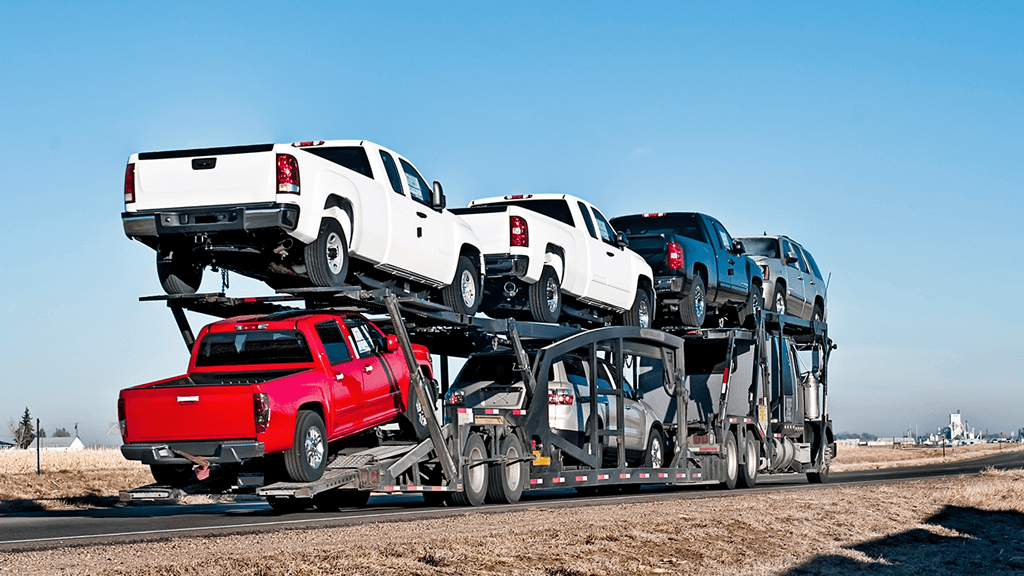
Shipping a pickup truck transport costs more to ship than cars because of their weight, size, and higher insurance requirements. Most trucks weigh between 6,000 and 8,000 pounds. It reduces the number of vehicles a carrier can transport per trip. This heavier load limits carrier capacity and increases per-vehicle costs.
Trucks also occupy more space on the transport trailer. A trailer that fits up to nine standard cars may only accommodate five or six pickup trucks. The extra weight and wind resistance lead to higher fuel consumption and higher operating costs for carriers.
Carriers can transport fewer trucks per load, and the cost is distributed among customers. Many trucks also require higher insurance coverage, especially lifted or customized models, adding another layer of expense to pickup truck transport pricing.
Cost Breakdown Comparison:
|
Vehicle Type |
Average Weight |
Carrier Space Used |
Typical Cost Increase |
|
Sedan |
3,000-4,000 lbs |
1x standard slot |
Baseline |
|
Compact SUV |
3,500-4,500 lbs |
1.2x standard slot |
+10-15% |
|
Full-Size Truck |
5,000-7,000 lbs |
1.5x standard slot |
+20-30% |
|
HD/Dually Truck |
7,000-9,000 lbs |
2x standard slots |
+40-60% |
The Ford F-150, F-250, and F-350 are among the most frequently shipped pickup trucks. The F-150 falls under standard full-size pricing, while the F-250 and F-350 are heavy-duty models, often requiring higher rates due to added weight.
Chevrolet Silverado 1500, 2500, and 3500 follow a similar pattern; HD versions (2500 and 3500) are heavier and may require special handling or reduced trailer capacity. This also increases overall transport costs.
RAM 1500, 2500, and 3500 trucks also vary by size, with dually models sometimes needing oversized permits because of their width and axle configuration.
The GMC Sierra shares the same shipping considerations as the Silverado since both models have comparable weight and size categories.
Toyota Tundra and Tacoma are typically lighter, with the Tacoma falling under mid-size truck pricing, making them less costly to ship. The Nissan Titan is priced similarly to standard full-size pickups like the F-150 or Silverado 1500.
Understanding Truck Size and Weight Classifications
Light-Duty (1/2 Ton) Trucks
Examples: F-150, Silverado 1500, RAM 1500, Tundra
Weight: 4,500–6,000 lbs
Shipping cost: 15–25% higher than sedans
Carrier: Standard trailers
Size: 19–20 ft length, 6–7 ft height
Heavy-Duty (3/4 Ton – 1 Ton) Trucks
Examples: F-250/F-350, Silverado 2500/3500, RAM 2500/3500
Weight: 6,500–8,000+ lbs (lifted may exceed 10,000 lbs)
Shipping cost: 30–50% higher than sedans
Carrier: Specialized or reduced-load trailers
Size: 20–22 ft length, 6.5–7.5 ft height
Dually Trucks
Width: 80–96 in (vs 60–80 in standard)
May need a single-vehicle trailer or oversized permit
Cost premium: 40–60% over standard trucks
Weight Thresholds That Affect Pricing
- Under 5,000 lbs: Standard
- 5,000–6,500 lbs: +10–20%
- 6,500–8,000 lbs: +20–35%
Over 8,000 lbs: +35–50%, may need permits.
|
Pro Tip: Weigh your pickup truck transport before quoting; just 500 lbs can move you into a higher cost class. |
How Modifications Affect Pickup Truck Shipping
Lifted trucks cost more to ship due to added height and weight. Higher lifts may require enclosed transport or special routing.
Height Classification Impact
- Stock (6–7 ft): Standard pricing
- 2–4 in lift (7–7.5 ft): +10–15%
- 4–6 in lift (7.5–8 ft): +15–25%, may need enclosed
- 6+ in lift (8+ ft): +25–40%, enclosed transport required
We ship lifted trucks, but carriers must ensure height clearance, compatible equipment, and safe loading/unloading. Always measure total height, including lift, tires, and roof.
Tire Size Modifications
- 33" tires: Minimal impact
- 35" tires: +5–10% cost
- 37"+ tires: +10–20%, may hit height limits
- Width over 80": May need single-load transport
Other Modifications That Impact Shipping
- Affects Cost/Logistics:
Tonneau covers (secure), bed toppers (add height), running boards (may need removal), roof racks/light bars (add height), winches/bull bars (complicate loading), tool boxes (allowed if secured). - Must Be Removed:
Loose bed items, unsecured covers, antenna/flag poles, and unfastened aftermarket parts.
Diesel trucks are 300–500 lbs heavier; keep DEF and fuel tanks at ¼ or less. In cold weather, check the block heater's needs.
Lowered trucks need careful loading; tuned engines require documentation for insurance. Custom-painted or show trucks should use enclosed transport.
2025 Pickup Truck Shipping Cost Guide
Not all pickup truck transport routes price the same. High-volume lanes have more carriers and more competitive rates.
| Route Distance | Open Transport | Enclosed Transport |
| 0-500 miles | $600-$900 | $900-$1,300 |
| 500-1,000 miles | $800-$1,300 | $1,200-$1,800 |
| 1,000-1,500 miles | $1,100-$1,600 | $1,600-$2,300 |
| 1,500-2,000 miles | $1,300-$1,900 | $1,900-$2,700 |
| Cross-country (2,500+ mi) | $1,600-$2,300 | $2,400-$3,500 |
These 2025 examples compare costs for standard, lifted, and heavy-duty trucks on common relocation routes.
Truck Shipping Routes (2025 Estimates)
| Route | Distance | Standard Truck | Lifted Truck (4" lift) | HD/Dually Truck |
| Dallas, TX → Phoenix, AZ | ~1,060 mi | $900-$1,300 | $1,100-$1,500 | $1,300-$1,900 |
| Houston, TX → Los Angeles, CA | ~1,550 mi | $1,300-$1,700 | $1,500-$2,000 | $1,800-$2,500 |
| Austin, TX → Denver, CO | ~930 mi | $850-$1,250 | $1,000-$1,500 | $1,200-$1,800 |
| San Antonio, TX → Seattle, WA | ~2,300 mi | $1,700-$2,200 | $2,000-$2,600 | $2,400-$3,200 |
| Tucson, AZ → Oklahoma City, OK | ~930 mi | $850-$1,200 | $1,000-$1,400 | $1,200-$1,700 |
Diesel trucks add 5–10% for extra weight. Long beds add $50–$100, while crew cabs are standard with no added cost. 4WD models add 5–10%, and towing packages may add 5% if they exceed weight limits.
Remove heavy accessories like toolboxes or spare tires. Book off-peak (avoid summer and late fall) for lower rates. Terminal-to-terminal shipping saves $75–$150, and flexible dates get better pricing. Shipping multiple vehicles together can qualify for bundle discounts.
Shipping Lifted Trucks: Requirements and Best Practices
Measure from the ground to the highest point, including antennas or light bars. Trucks under 7 feet fit standard trailers, 7–8 feet may need specialized equipment, and anything over 8 feet requires limited carriers and higher premiums.
Take photos of all modifications, including suspension, tires, and accessories. Record lift kit brand and size, tire dimensions, wheel specs, and ground clearance for accurate quoting and insurance purposes.
Confirm your truck fits standard trailers (most allow up to 7.5 feet). Make sure the lift doesn’t affect ramp loading angles or risk undercarriage scraping during loading and unloading.
Share the exact height and modification details with the carrier before booking. Verify equipment compatibility, insurance coverage for mods, and confirm the carrier’s experience handling lifted trucks.
Open vs Enclosed Lifted Trucks
Open transport suits trucks with lifts under 4 inches, especially when routes avoid low-clearance bridges. It's a good choice for daily drivers or work trucks that prioritize cost, providing an affordable option with no extra protection needed.
Enclosed transport is recommended for lifts over 4 inches, custom suspensions, or show-quality trucks. It provides added protection for long-distance routes and premium finishes. It costs about $400–$800 more than open transport.
Avoid underestimating height and always measure accurately. Remove accessories like light bars, flags, and antennas that add inches. Not all carriers handle tall trucks, so confirm equipment capability and insurance for modifications. Plan, as lifted trucks often need 3–4 weeks of lead time to secure proper transport.
Preparing Your Pickup Truck for Transport
To prepare your pickup truck for transport, start with washing the truck thoroughly, including the undercarriage for diesel or 4WD models. Remove all bed accessories, retract mirrors, and secure running boards if they reduce clearance. Lock or remove the tonneau cover, lower or remove antennas and roof-mounted items, and photograph all existing exterior damage before pickup.
Keep the fuel and DEF tanks at ¼ or less, check tire pressure, and ensure 4WD is set to 2WD or neutral. Test lights and signals, disable the alarm, and leave the parking brake off unless the carrier instructs otherwise.
Empty the truck bed completely, remove portable liners, and clear toolboxes or spare tires if not secured. Remove all personal items. Some carriers allow locked toolboxes with small items under 100 lbs, but confirm beforehand.
For lifted pickup truck transport, measure total height, photograph modifications, and check ground clearance. Ensure lift kit bolts are tight, remove loose accessories, and confirm your insurance covers all modifications.
Have your registration, insurance proof, and any modification records ready. Include a bill of sale or lien holder details if applicable, and take dated photos from all angles showing the VIN for verification.
Regional Considerations: Texas & Arizona Truck Markets
Texas
Texas has the highest number of trucks in the U.S., with 25% of vehicles being pickups. Arizona’s terrain and recreation make trucks equally popular. Both states have strong modification cultures and serve major snowbird shipping routes.
High-volume routes include Dallas/Fort Worth–Phoenix/Tucson (competitive rates), Houston–Los Angeles (port access), Austin–Denver (tech relocations), and San Antonio–Seattle (oil and gas transfers).
Texas trucks are often diesel-powered and equipped with lift kits, bed liners, or tonneau covers. Ranch and work trucks need detailed condition reports. Ford F-Series leads statewide, with RAM more common in rural areas.
It is preferable to avoid late October–November due to hunting season demand. You get the best rates in January–February and July–August. November–December, during snowbird season, offer peak prices.
Arizona
High-volume routes include Phoenix–Dallas (frequent, competitive), Tucson–San Diego (short hauls ideal for modified trucks), Scottsdale–Los Angeles (luxury and modified trucks), and Mesa–Denver (outdoor relocations).
Trucks often feature lift kits, roof racks, light bars, and winches for desert and mountain use. 4WD is common, with the Toyota Tacoma, Tundra, and Ford F-150 leading in popularity.
Before shipping a truck from Arizona, clean dust and sand from the undercarriage, photograph desert wear, note rock chips or off-road damage, and check tire wear.
High carrier volume brings better rates, more pickup truck transport/delivery options, and shorter booking windows (2–3 weeks vs. 4).
Frequently Asked Questions
How much does it cost to ship a pickup truck in 2025?
Standard trucks cost $800–$1,800 per 1,000 miles. Lifted or heavy-duty trucks add 15–60% depending on height, weight, and route.
Can you ship a lifted truck?
Yes. Under 4-inch lifts use standard transport; 4–6 inches add 15–25%; over 6 inches need enclosed shipping. Always confirm height with the carrier.
Do I need enclosed transport for my truck?
Use enclosed shipping for lifted, show, or high-value trucks (over $60K) and long-distance routes. Standard work trucks are fine on open carriers.
How do I prepare my pickup truck for shipping?
Clean, photograph, and empty your truck, leave ¼ fuel, remove accessories, and document any damage before pickup.
What if my truck has a tonneau cover or bed cap?
Secured covers are allowed if locked and measured for total height; soft covers should be removed. Confirm with the carrier in advance.
Can I ship my truck with items in the bed?
No, most carriers prohibit loose items for safety and insurance reasons. Only locked toolboxes under 100 lbs may be allowed.
How does truck weight affect shipping cost?
Heavier trucks cost +10–50% for weights above 5,000 lbs. Get an exact weight before quoting.
What's the best time to ship a pickup truck from Texas or Arizona?
Shipping pickup truck transport in TX (Jan–Feb, Jul–Aug) and AZ (Mar–Apr, Jul–Aug). Avoid holiday weeks and peak seasons for lower rates.
Ready to Ship Your Truck?
Whether you have a stock F-150, lifted Silverado, or heavy-duty RAM, Direct Connect Auto Transport offers safe, affordable transport with experienced carriers, competitive TX/AZ rates, specialized equipment for modified trucks, transparent pricing, and 24/7 tracking and support.
Get Your Free Pickup Truck Shipping Quote
- Request your customized truck shipping quote now
- Learn about open carrier transport
- Explore enclosed truck shipping options