


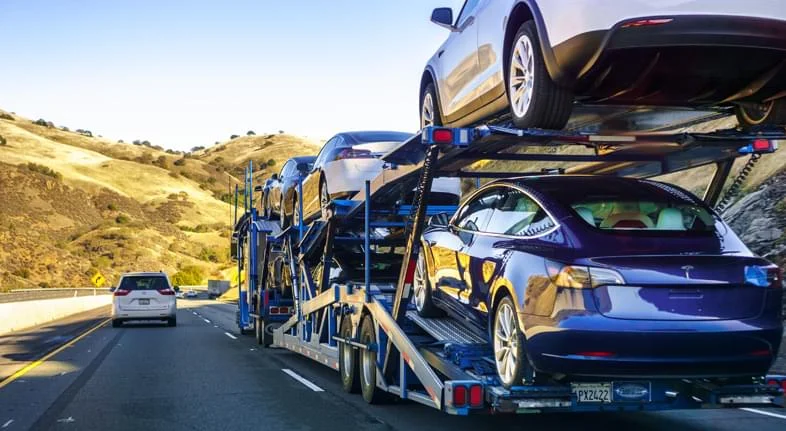
Why Dallas to Phoenix is a Major Auto Transport Corridor
Dallas and Phoenix are two of the fastest-growing metropolitan cities in the U.S. with booming economies, surging job markets, and vibrant communities that attract thousands of new residents each year. Whether you’re relocating for work, sending a vehicle to a college student, or selling a car to a buyer across state lines, professional auto transport offers a safe, stress-free way to get your vehicle where it needs to go.
Covering just over 1,000 miles, this Dallas to Phoenix car shipping route connects two major Sun Belt cities via a direct interstate network. With year-round carrier availability, established logistics infrastructure, and a high volume of daily shipments, it’s one of the most reliable and cost-efficient routes for vehicle transport.
At Direct Connect Auto Transport, we are a licensed and bonded company specializing in car shipping between Texas and Arizona. We only partner with the strongest and most thoroughly vetted driver networks. Our services are reliable, and pricing is transparent. This helps keep your Dallas Phoenix car transport cost predictable while ensuring peace of mind from pickup to delivery.
What is the Dallas to Phoenix Car Shipping Cost Breakdown?
Here are what recent sources say about cost, plus what drives them.
What current pricing looks like
Your vehicle’s size, weight, and value are major pricing variables. Here’s what you can expect for standard service on this route:
| Vehicle Type | Open Transport | Enclosed Transport |
| Sedan / Compact Car | $700 – $900 | $1100 – $1300 |
| SUV / Crossover | $850 – $1,050 | $1,250 – $1,500 |
| Pickup Truck / Large SUV | $950 – $1,100 | $1,400 – $1,650 |
| Luxury / Exotic Vehicle | $1,000 – $1,300 | $1,500 – $1,800 |
Tip: If your vehicle has oversized modifications (such as lift kits, roof racks, or non-standard dimensions), it may incur additional shipping costs of 10–25% due to the extra space and weight requirements.
What causes costs to vary:
- Vehicle type and size. Sedans are cheaper. SUVs, trucks, and oversized vehicles add weight and require more space, thereby increasing cost. Luxury or modified vehicles may need special handling.
- Transport method: open vs enclosed. Open carriers are the standard, cheaper option. Enclosed adds protection (e.g., from dust, sun, road debris) but costs significantly more.
- Pickup and delivery type. Door-to-door service is more convenient, but it typically costs more than terminal-to-terminal service. If your pickup or drop-off location is difficult to access (e.g., a tight street with no loading zone), additional fees may apply.
- Season and weather. Summer heat in desert areas (especially in Arizona) may slow things down, require extra care, or cause demand spikes. Also, holidays (such as the end of the year and summer vacation periods) often see rates increase.
- Fuel and operational costs. Rising fuel prices, labor costs, and insurance premiums all factor in. When fuel prices surge, transporters adjust their rates.
Transit Times & Route Logistics
The Primary Route
Most professional carriers transporting vehicles between Texas and Arizona follow a westbound route that begins in the Dallas area, typically running along I-20 before merging onto I-10. From there, shipments commonly pass through the El Paso region at the Texas–New Mexico border, then continue across southern New Mexico into Arizona.
The route usually brings carriers into the Phoenix metro area, which serves as a major hub for vehicle transport in the Southwest. This corridor is widely used because it offers direct interstate access, relatively mild terrain, and efficient travel times for long-distance shipments.
Key Checkpoints & Cities Along the Way
Some of the cities/routes your shipment may pass:
- Midland / Odessa area (depending on where in Dallas you start)
- El Paso (or passing near it)
- Tucson or other southern Arizona waypoints
- Into Phoenix metro: potential drop-off in Mesa, Tempe, Scottsdale, depending on destination
These influence timing depending on traffic, road conditions, and route choices.
| Portion | Time Estimate |
| Booking + Carrier Assignment | 1-2 days |
| Pickup Window | 1-2 days (depending on your flexibility) |
| Transit (Dallas → Phoenix) | 3 to 5 days are typical for open transport, door-to-door, assuming no major delays |
| Enclosed transport or routes with difficult pickup/dropoff may add 1-2 days |
Delays can occur due to weather conditions (such as flash floods or storms in New Mexico and Arizona), extreme heat, or holiday traffic.
Best Times to Ship from Dallas to Phoenix
- Fall and Winter (October-February): Cooler weather, fewer road hazards, moderate demand. Lowest demand and best Dallas Phoenix car transport cost.
- Spring (March-May): Still a good time, with mild weather and less extreme conditions compared to summer. It offers a nice balance of comfort and reasonable pricing.
- Summer (June-August): Expect higher prices. Desert heat can stress vehicles, requiring extra cooling, increased handling, and risk of delays. Higher demand due to vacations and relocations.
- Peak Demand Times: End of year holidays; late summer when families move for school; snowbird migration seasons (late fall, early winter). If shipping during those times, book earlier and expect a premium.
To secure the best rates for Texas to Arizona auto transport, avoid peak holiday seasons and book your transport early.
Should You Choose Open or Enclosed Transport for Desert Routes?
| Transport Type | Pros | Cons |
| Open | Lower cost; more carrier availability; adequate protection for most vehicles if you prep them well. | More exposure to dust, sun, and road debris. Possible extra wear or cosmetic effects. May need extra steps to protect the vehicle (wax, cover, etc.). |
| Enclosed | Much better protection from dust, heat, sun, weather, and debris. Hugely beneficial for luxury, classic, and exotic vehicles. | Costs 30-50% higher; fewer carriers; possibly longer wait for pickup; weight/size/clearance limitations. |
For most standard vehicles, open carriers are fine for Dallas to Phoenix car shipping. However, if you own a luxury or classic car, enclosed transport is worth considering for added protection, even if it slightly increases your Dallas Phoenix car transport cost.
You can also read our guide on open vs enclosed auto transport.
Route-Specific Vehicle Preparation
Since most of the route passes through desert and high-heat regions, here are key steps to get your vehicle ready:
- Cooling system check. Ensure the radiator, coolant, belts, and hoses are in good condition. Overheating is more likely in high temperatures.
- Tire condition. Properly inflated tires; check for any damage. Desert heat increases pressure.
- Sun protection. Use sun-protectant products, and consider a windshield sunshade during transit if waiting is involved. Waxing the paint helps protect it from dust abrasion.
- Fluid levels. Engine oil, brake fluid, and transmission fluid at proper levels. You don’t want leaks or low fluids exacerbated by heat.
- Remove personal items. Carriers are not insured for personal belongings left inside their vehicles.
- Clean vehicle and document condition. Wash before pickup and take photos from all angles (date-stamped if possible) to document any existing damage.
- Disable alarms. It’s annoying for carriers if the alarm keeps going off; it drains the battery.
- Documentation ready. Proof of ownership, insurance, valid identification, contact information, and an acceptable delivery address.
Proper preparation can ensure a smooth and worry-free car shipping experience.
Dallas and Phoenix Logistics: Pickup & Delivery Considerations
Dallas Side
- DFW Metroplex coverage. Areas in and around Dallas, Fort Worth, Plano, Frisco, and other nearby cities have a large carrier presence. Pickup tends to be easier in suburban areas with good road access versus densely packed downtown areas.
- Traffic and scheduling. Avoid scheduling pickup during rush hours if possible, as carriers may incur additional time/charges due to delays in urban traffic.
- Accessibility. Easier access (wide roads, driveways) helps. If the pickup address is located in narrow streets, gated communities, or restricted zones, additional surcharges may apply.
Phoenix Side
- Valley-wide service. Deliveries to Mesa, Tempe, and Scottsdale are common. Some carriers have preferred drop zones or terminals.
- Desert conditions. Be prepared for heat, especially in summer. Early morning drop-offs/pickups are often better.
- Restricted areas. If the delivery address is in a gated community or with HOA restrictions, check with the transporter in advance.
This local expertise allows us to coordinate auto transport from Texas to Arizona with fewer delays and a lower risk of added fees.
Popular Sub-Routes & Destinations
Knowing your exact origin & destination ZIP codes helps the transporter give you a more precise quote.
| Origin in the Dallas Area | Common Route Destinations in the Phoenix Area |
| Dallas downtown | Central Phoenix, Phoenix city limits |
| Plano / Frisco suburbs | Scottsdale, Paradise Valley |
| Fort Worth | Mesa, Tempe |
| Richardson, Garland, etc. | Peoria, Glendale |
What Are the Cost-Saving Strategies for This Route
- Book in advance. Book 2– 3 weeks in advance for lower Dallas Phoenix car transport costs. Carriers plan routes and loads well ahead, so early bookings allow more efficient routing. Be flexible with pickup and drop-off dates. If you give a window rather than a fixed day, carriers can optimize the route and save you money.
- Choose open transport unless necessary. Enclosed is great for value or protection, but for many standard sedans/crossovers, open is sufficient.
- Terminal-to-terminal vs door-to-door. If you can drop off or pick up at a terminal, you might save $50–$150. However, door-to-door is more convenient.
- Avoid peak demand seasons if possible. If you can shift your move outside of summer or major holidays, you'll likely save.
- Check for discounts/promos. Some carriers offer discounts for military personnel, first responders, or multiple shipments. Additionally, some transportation brokers offer seasonal deals.
Even small tweaks can make your Dallas to Phoenix car shipping more affordable without sacrificing safety.
Ready to Ship Your Car from Dallas to Phoenix
Don’t leave your vehicle in the hands of just any broker. Trust the Direct Connect Auto Transport team to handle your shipment with the care and transparency it deserves.
Get your free Dallas to Phoenix auto transport quote today and experience the difference of working with a trusted nationwide carrier partner.
What Are the Steps to Book Your Dallas to Phoenix Car Shipment?
Shipping your car doesn’t have to be complicated. We’ve simplified the entire process so you can get from quote to delivery with zero stress.
Here’s how it works:
- Request Your Quote: Use our online calculator or call our team. We’ll need your pickup/delivery ZIPs, vehicle details (make, model, year), and preferred transport type (open or enclosed).
- Review & Reserve: Compare your options, then place a small deposit to reserve your spot on a carrier’s route.
3. Prepare Your Vehicle: Clean your car, remove personal items, and follow our vehicle prep checklist to get everything ready for transport. - Pickup & Inspection: Meet your carrier, walk through the Bill of Lading, and document the car’s condition before it’s loaded.
- Track & Receive: We’ll keep you updated while your vehicle is in transit, then coordinate final delivery at your Phoenix destination.
At Direct Connect Auto Transport, our goal is simply to make Dallas to Phoenix car shipping seamless, safe, and stress-free from start to finish.
Frequently Asked Questions
How long does it take to ship a car from Dallas to Phoenix?
Usually 3-5 days for open transport, door-to-door, under typical conditions. Add 1-2 days if the item is enclosed or if there are logistics delays or remote pickups.
What’s the best route for Dallas to Phoenix car shipping?
The most common route is via I-20 West connecting to I-10 West, passing through New Mexico into Arizona. Alternatives exist but may add mileage or time.
How much does it cost to ship a car from Texas to Arizona?
For Dallas to Phoenix specifically, open transport is around $950-$1,100, enclosed around $1,300-$1,600, depending on vehicle and season. For other TX → AZ routes (e.g., San Antonio, Houston), the cost ranges are similar (see cost tables above).
Should I use enclosed transport for desert shipping?
If your vehicle is high-value, sensitive to weather, or you want better protection against sun & dust, yes. However, for many standard vehicles, open is cost-efficient and acceptable if vehicle preparation is done well.
What time of year is cheapest for Dallas to Phoenix?
Fall and spring tend to be cheapest. Winter (excluding holiday spikes) is also fairly good. Summer is typically the most expensive time due to high temperatures, increased demand, and occasionally, road/weather issues.
Can carriers pick up from the DFW Airport area?
Yes. Most carriers service the DFW Metroplex and can pick up from addresses near the Dallas/Fort Worth Airport region; however, access and scheduling may require coordination. Confirm when arranging a quote, especially for restricted or busy airport zones.
How do I prepare my car for desert route shipping?
See checklist above: cooling system, fluids, tires, cleaning, documentation, alarm disablement, etc.
Are there any restrictions for Phoenix delivery areas?
Some gated communities, HOA areas, or restricted access zones may have limitations. Very low clearance roads, tight turns, or limited loading zones could add cost or require an alternate delivery spot. Ensure the carrier has the delivery address details in advance.