


2026 West Virginia Car Shipping – Quick Facts
- Appalachian Terrain: Mountainous geography affects routing/timing
- Biennial Inspection: Safety inspection every 2 years (changed from annual 2024)
- Coal Heritage: Energy sector drives economic volatility
- Regional Routes: $550-$900 (VA, OH, PA, KY, MD)
- Cross-Country: $900-$1,550 (open carrier)
- Major Cities: Charleston (46,000), Huntington (46,000), Morgantown (31,000)
- Universities: WVU Morgantown (26,000+), Marshall Huntington (13,000+)
- I-64/I-77/I-79: Mountain interstate corridors
- Terrain Challenges: Grades, curves, winter weather
- Popular Routes: WV to NC, VA, FL, OH, PA
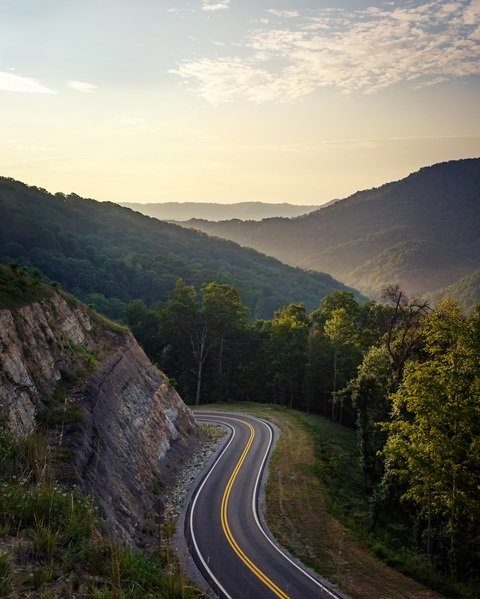
Direct Connect Auto Transport provides reliable West Virginia car shipping across the Mountain State’s Appalachian corridor. Whether relocating to Charleston’s state capital, shipping to Morgantown’s university community, coordinating Huntington moves, or transporting vehicles through West Virginia’s mountainous terrain, our veteran-owned company delivers efficient service.
West Virginia’s “Mountain State Challenges” positioning combines Appalachian geography, coal industry heritage, biennial safety inspections, and I-64/I-77/I-79 mountain corridors creating unique shipping considerations with terrain-based complexity.
The Appalachian Factor: What Makes West Virginia Different
Mountain Interstate Routing
Three interstates serve West Virginia from different directions. I-64 runs east-west through Charleston, I-77 runs north-south from Virginia to Ohio, and I-79 connects Pennsylvania to Charleston through Morgantown. All three converge near Charleston, making it the state’s primary carrier hub. Mountain grades and curves add transit time compared to flat-state routes; carriers familiar with this market build that into their scheduling.
Winter Weather Window
November through March brings snow and ice to mountain passes, particularly on I-77 near the Virginia border and I-79 in the Morgantown area. Carriers occasionally delay 24 to 48 hours for safety during severe events. Building a 1 to 2 day buffer into winter shipments is standard practice for anyone with a firm delivery deadline.
Rural Access
Many West Virginia residents live on US routes and state roads that large carrier trucks cannot navigate. Terminal-to-terminal shipping through Charleston or Huntington is an option for remote locations. Your transport coordinator will confirm the best approach for your specific pickup address.
2026 West Virginia Shipping Costs
|
Route Type |
Example Routes |
Cost (Open) |
Cost (Enclosed) |
Transit |
|
Regional Appalachia |
WV to VA, KY, OH, PA |
$550-$850 |
$880-$1,360 |
1-3 days |
|
Mid-Atlantic |
WV to MD, NJ, NY, NC |
$650-$1,000 |
$1,040-$1,600 |
2-4 days |
|
Southeast |
WV to TN, GA, FL, SC |
$800-$1,300 |
$1,280-$2,080 |
3-6 days |
|
Midwest |
WV to IN, IL, MI, MO |
$750-$1,150 |
$1,200-$1,840 |
2-4 days |
|
Coast-to-Coast |
WV to CA, TX, AZ, WA |
$1,100-$1,550 |
$1,760-$2,480 |
5-9 days |
Enclosed adds 60%. Mountain terrain may add 1 day. Winter I-77/I-79 (Nov-Mar) adds 1-2 days for weather delays.
Key Route Benchmarks
Virginia to West Virginia averages approximately $658 and takes 1 to 3 days. Charleston to Houston runs $875 to $1,366, and Huntington to Austin runs $829 to $1,294 with a transit time of 3 to 5 days.
What Affects West Virginia Shipping Costs?
Appalachian Mountain Geography:
West Virginia, entirely within the Appalachian Mountains, creates challenging terrain. I-64 (east-west), I-77 (north-south), and I-79 (north-south) navigate steep grades and tight curves. Unlike flat interstate states, carriers must slow for mountain passes. This geography adds 10-15% time vs comparable distances on flat terrain, affecting pricing.
Biennial Safety Inspection (Changed 2024):
West Virginia changed from annual to biennial (every 2 years) safety inspections in 2024. Odd model year vehicles are inspected in odd years, even model year inspected in even years. NO emissions testing statewide. $10 inspection fee. Simpler than states requiring annual inspections, but more involved than no-inspection states.
Coal Industry Volatility:
West Virginia coal production (historically #2 US) drives economic boom/bust cycles. Coal decline in the 2010s-2020s created population loss and outbound migration. Natural gas fracking offset some losses. The 2026 energy transition creates uncertainty. Economic volatility affects shipping demand patterns.
I-64/I-77 Corridors:
I-64 connects Virginia to Kentucky via Charleston (east-west). I-77 connects Virginia to Ohio via Charleston (north-south). Charleston sits at the junction, creating the state’s primary carrier access point. I-79, Morgantown to Charleston, provides a north-south alternative. All three experience mountain weather delays from November to March.
WVU and Marshall Universities:
West Virginia University, Morgantown (26,000+ students), and Marshall Huntington (13,000+) create a combined 39,000+ seasonal demand. Late August arrival, early May exodus. Regional Pennsylvania, Ohio, Virginia, and Maryland students. Rivalry football drives state identity.
Virginia/Maryland Border Integration:
Eastern WV (Eastern Panhandle) integrates with Virginia/Maryland. Closer to Washington DC (1-2 hours) than Charleston (3+ hours). Creates different shipping patterns vs. the rest of the state.
Winter Mountain Weather:
November-March, I-77 Bluefield area (Virginia border) experiences severe winter weather. I-79 Morgantown is also affected. Carriers delay 24-48 hours for safety during snow/ice. Add a 1-2 days buffer for winter shipping.
Popular West Virginia Routes
|
Route |
Cost (Open) |
Transit |
Common Uses |
|
WV to North Carolina |
$650-$1,000 |
2-3 days |
Relocations, Research Triangle, Charlotte |
|
WV to Virginia |
$550-$850 |
1-2 days |
Regional integration, NoVA proximity |
|
WV to Florida |
$900-$1,400 |
3-6 days |
Retirees, snowbirds, relocations |
|
WV to Ohio |
$600-$900 |
1-2 days |
Regional moves, Cleveland/Columbus |

Who Ships Cars in West Virginia?
WVU and Marshall Students
West Virginia University in Morgantown enrolls over 26,000 students and Marshall University in Huntington enrolls over 13,000. Combined, they create two of the state’s most predictable shipping peaks: late August arrivals and early May departures. Students arrive primarily from Pennsylvania, Ohio, Virginia, and Maryland. The WVU truck and Jeep market reflects Mountain State terrain preferences.
Healthcare Professionals
Charleston, Huntington, and Morgantown each have major hospital systems, including Charleston Area Medical Center, Cabell Huntington Hospital, and WVU Medicine. These institutions draw physicians, nurses, and administrators from out of state, creating professional relocation demand tied to firm start dates.
Eastern Panhandle Commuters
The Eastern Panhandle, including Martinsburg and Charles Town, sits 1 to 2 hours from Washington, DC and integrates closely with the Virginia and Maryland metros. Residents here often work in Northern Virginia or DC while living in West Virginia for lower housing costs. Shipping patterns from the Panhandle differ significantly from the Charleston-centered rest of the state.
Retirees and Outbound Movers
Economic pressures and harsh winters drive consistent outbound migration, primarily to North Carolina (Charlotte and Raleigh are the top destinations), Florida, and Virginia. Retirees heading to the Carolinas represent the most common long-distance shipping corridor from West Virginia.
Energy Sector Workers
The Marcellus Shale natural gas industry in northern West Virginia creates a smaller but consistent boom-and-bust shipping pattern. During active drilling periods, workers from Pennsylvania and Texas arrive for assignments. Downturns create outbound moves. This segment is less volatile than Bakken oil country but follows similar patterns.
Top West Virginia Cities We Serve
Charleston
Population 46,000; metro 210,000. State capital at the I-64/I-77 junction, providing the best carrier access in the state. State government, Kanawha Valley chemical industry, and healthcare drive relocation demand. Terminal location for remote area shipments.
Huntington
Population 46,000; metro 360,000 including Ohio and Kentucky portions. Marshall University drives student shipping demand. I-64 corridor. Tri-state area position creates Ohio and Kentucky integration. Cabell Huntington Hospital generates healthcare relocations.
Morgantown
Population 31,000; metro 140,000. Home to WVU, the state’s largest university. I-79 corridor with Pittsburgh 75 miles north. Pennsylvania integration is strong. The dominant shipping driver is the academic calendar, with massive peaks in August and May.
Parkersburg
Population 30,000. Northwest West Virginia on the Ohio River. I-77 corridor. Oil and gas industry heritage. Ohio River crossing creates direct access to Ohio carrier networks.
Wheeling
Population 27,000. Northern Panhandle near Ohio and Pennsylvania borders. Steel industry heritage. US Route 40 corridor. Pennsylvania and Ohio integration make this market more aligned with Pittsburgh than with Charleston.
West Virginia Vehicle Registration
- Safety inspection: Biennial (every 2 years), changed from annual in 2024. Odd model year vehicles are inspected in odd years; even model years in even years. Vehicles in their first 5 model years are exempt.
- Emissions testing: Not required statewide.
- Registration timeline: New residents must register within 30 days.
- Insurance minimum: $25,000/$50,000/$25,000 liability.
- Fees: $51.50 annually for passenger vehicle registration; $15 title fee.
Visit West Virginia DMV.
Open vs. Enclosed West Virginia
Open Transport (84%): Standard for daily drivers, student vehicles (WVU, Marshall), coal/gas workers. Truck/4×4/Jeep WV market suits open. Cost-effective April-October.
Enclosed Transport (16%): Winter salt protection November-March (mountain road salt heavy), Charleston executives, WVU faculty, vehicles $40,000+, classics.
Seasonal Shipping Patterns
|
Season |
Demand |
Pricing |
Weather |
|
Spring (Mar-May) |
Moderate |
Stable |
Weather improving April+, WVU graduation |
|
Summer (Jun-Aug) |
Moderate |
Stable |
Best conditions, WVU/Marshall peaks |
|
Fall (Sep-Nov) |
Moderate |
Stable |
Excellent September-October |
|
Winter (Dec-Feb) |
Lower |
Best Value |
Mountain weather delays |
West Virginia Car Shipping - Frequently Asked Questions
How does mountain terrain affect shipping timelines?
I-64, I-77, and I-79 all navigate Appalachian grades and curves. This adds time compared to equivalent distances on flat terrain. November through March, snow and ice can add 1 to 2 days beyond standard estimates. Carriers serving this market plan for these conditions, but a buffer in your schedule helps during winter.
Does West Virginia require vehicle inspections?
Yes, biennially. West Virginia moved from annual to biennial inspections in 2024. Odd model year vehicles are inspected in odd years, even model years in even years. Vehicles in their first 5 model years are exempt. No emissions testing is required statewide.
How do I ship from a rural West Virginia location?
If your address is on a rural mountain road inaccessible to large carrier trucks, options include meeting the carrier at a staging point on a nearby main route or using terminal-to-terminal service through Charleston or Huntington. Your coordinator will confirm the most practical approach for your specific location.
What are the most popular routes from West Virginia?
North Carolina (Charlotte and Raleigh), Virginia, Florida, and Ohio represent the four most common long-distance shipping corridors. The Charlotte route is particularly efficient from Charleston via I-77 south.
How far ahead should I book?
Standard shipments: 2 to 3 weeks. WVU and Marshall University peak in August and May: 3 to 4 weeks. Winter shipments: add extra scheduling flexibility for weather. Energy sector workers on short-notice timelines should contact Direct Connect directly to discuss rush options.
Get West Virginia Quote
Call (866) 642-7374 or request online.
Direct Connect’s 24 years and Mountain State expertise ensure reliable service for WVU/Marshall students, coal/gas workers, healthcare professionals, Eastern Panhandle commuters, and Appalachian terrain coordination.