


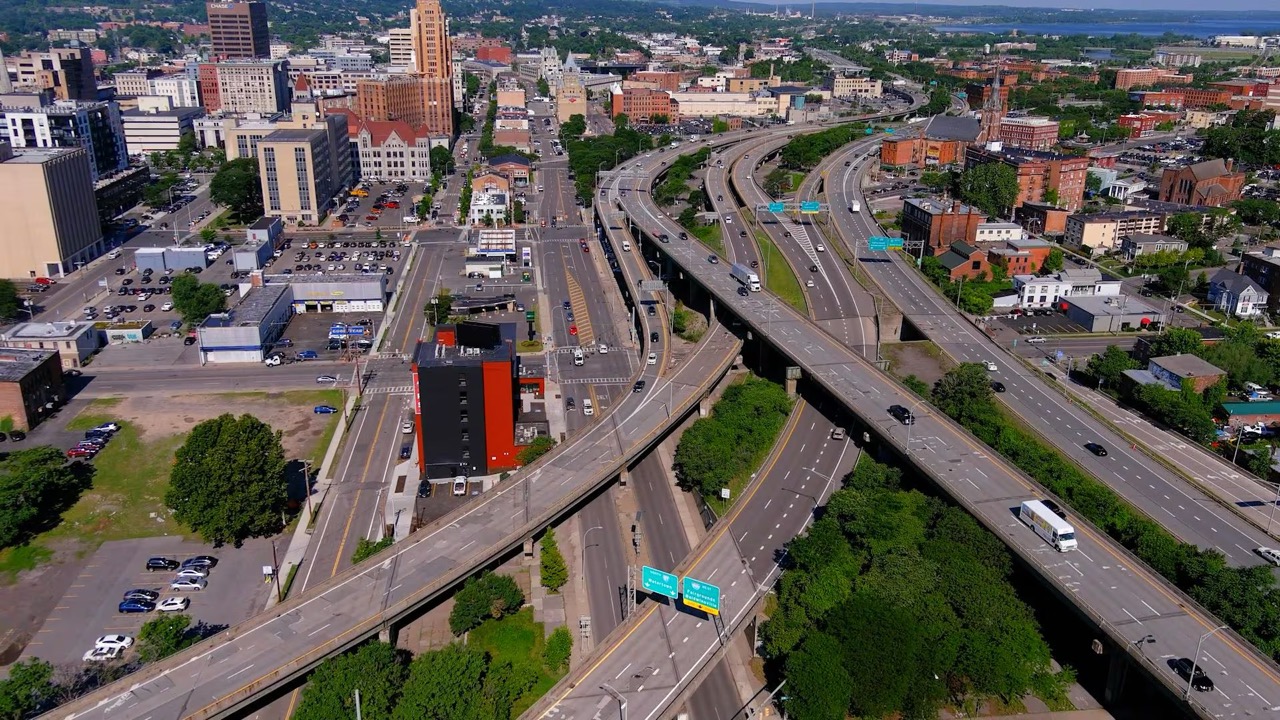
Shipping a car to or from Syracuse costs between $450 and $1,750 depending on distance. Syracuse sits at the intersection of I-81 and I-90 in central New York, a position that creates north-south and east-west carrier access uncommon for a metro of its size. The city’s population is 148,000, with a broader metro area of 650,000, and shipping demand spans Syracuse University students, healthcare workers, military families connected to Fort Drum, and retirees escaping winters that average more than 120 inches of snow annually. That last detail matters: Syracuse is the snowiest major metropolitan area in the United States, and anyone shipping a vehicle to or from central New York needs to plan around it.
Direct Connect Auto Transport has served the Syracuse market for over 24 years, coordinating shipments for SU students and families, professionals in the region’s healthcare and technology sectors, and military families moving through Fort Drum.
2026 Car Shipping Rates from Syracuse, NY
Syracuse’s dual-interstate positioning keeps carrier availability solid. The table below reflects 2026 market conditions for standard operable sedans using open transport.
|
Route |
Distance |
Estimated Cost |
Transit Time |
|
Syracuse to Miami, FL |
~1,310 miles |
$900 – $1,300 |
5 – 7 days |
|
Syracuse to Orlando, FL |
~1,100 miles |
$800 – $1,200 |
4 – 6 days |
|
Syracuse to Jacksonville, FL |
~1,000 miles |
$750 – $1,100 |
3 – 5 days |
|
Syracuse to Charlotte, NC |
~650 miles |
$500 – $850 |
3 – 4 days |
|
Syracuse to NYC |
~250 miles |
$350 – $550 |
1 – 2 days |
|
Syracuse to Boston, MA |
~300 miles |
$350 – $600 |
1 – 2 days |
|
Syracuse to Chicago, IL |
~640 miles |
$500 – $800 |
2 – 4 days |
|
Syracuse to Philadelphia, PA |
~260 miles |
$350 – $550 |
1 – 2 days |
|
Syracuse to Los Angeles, CA |
~2,650 miles |
$1,200 – $1,750 |
8 – 12 days |
|
Syracuse to Washington, DC |
~370 miles |
$400 – $650 |
1 – 2 days |
Enclosed transport adds 40 to 60% above open transport pricing. SUVs, trucks, and oversized vehicles add $150 to $300. Your actual quote depends on vehicle type, exact pickup and delivery locations, season, and carrier availability.
Why Syracuse Winters Change the Shipping Equation
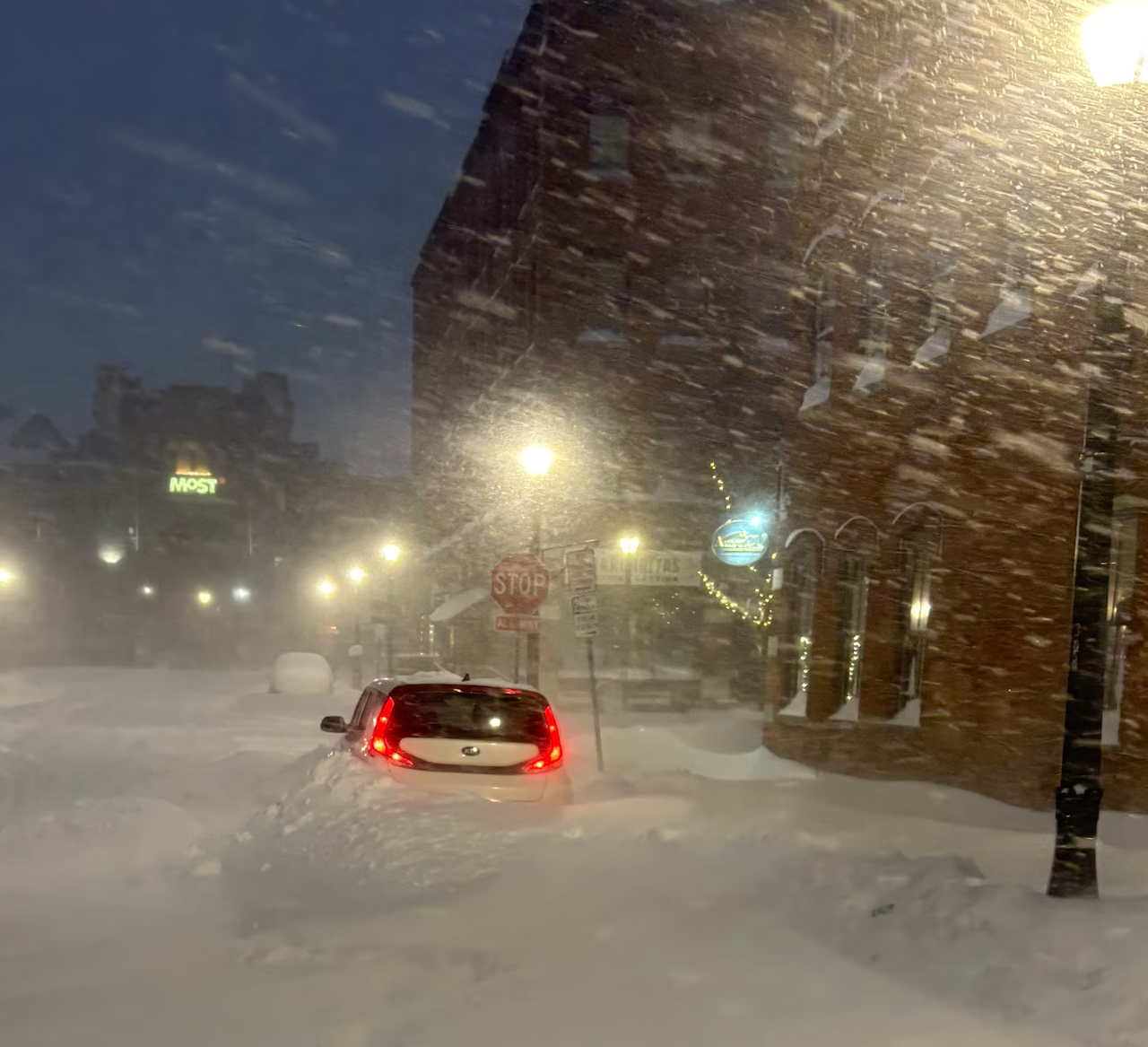
Syracuse averages more than 120 inches of snow per year, more than any other major metro area in the country. Lake-effect storms off Lake Ontario can deposit 1 to 3 feet in a single event with little warning. From November through March, winter is the single most important logistics factor for anyone shipping a vehicle through central New York.
What this means for your shipment:
- Carriers build weather buffers into all winter scheduling
- Early morning pickups work best; roads are typically treated before the morning commute
- Plan for 1 to 3 extra days during major weather events
- November through March requires the most scheduling flexibility
Best months to ship if your timeline is flexible:
| Season | Months | Conditions |
| Best window | September, October | Solid weather, no peak pricing |
| Spring rebound | April, May | Improving roads, lower rates |
| Avoid if possible | November through March | Lake-effect risk, potential delays |
How the I-81/I-90 Crossroads Benefits Syracuse Shippers
Syracuse sits at the intersection of two major interstates, creating above-average carrier availability for a city its size.
What each highway covers:
- I-81 (north-south): Runs from the Canadian border through Syracuse and on to Tennessee, with strong carrier coverage southeast through Pennsylvania, Maryland, Virginia, and the Carolinas
- I-90 (east-west): The New York State Thruway connecting New England to the Midwest, with daily carrier traffic passing through the metro area
The result for shippers:
- Faster dispatch on most major routes
- Competitive pricing without big-city volume
- Average time from booking to pickup: 1 to 3 days
- Door-to-door service standard throughout the metro area
Neighborhoods with the best carrier access: Liverpool, Cicero, Manlius, Fayetteville, Camillus, Dewitt, and commercial corridors along Erie Boulevard and Route 11.
Syracuse: The I-81/I-90 Intersection Advantage
Dual-Interstate Positioning
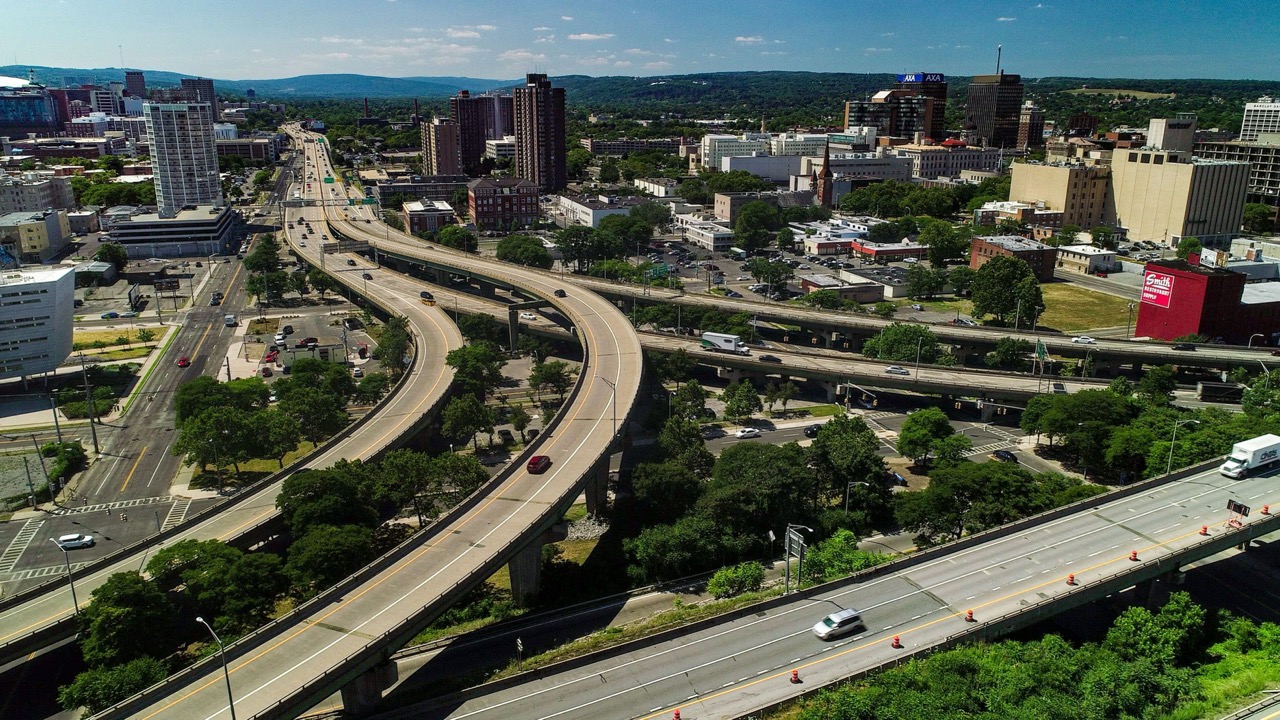
Syracuse sits where I-81 (running north-south from Canada to Tennessee) crosses I-90 (running east-west across New York State). This creates a routing hub that benefits car shipping in every direction. Carriers heading between the Northeast and Southeast use I-81 through Syracuse, while east-west traffic along I-90 between New England and the Midwest passes through as well. The result is above-average carrier availability for a mid-size city, particularly on the I-81 corridor south toward Pennsylvania, Maryland, and the Carolinas.
The Snow Factor
Syracuse holds the title of snowiest major metro in the U.S., with annual snowfall exceeding 120 inches in many years. Carriers experienced in the Syracuse market build weather buffers into winter scheduling. If you’re shipping between November and March, plan for 1 to 3 extra days beyond normal transit estimates during active weather events. Early morning pickups often work best during winter, as roads are typically plowed and treated before morning commute hours. If timing is critical, shipping in September, October, April, or May avoids the worst weather while still covering seasonal transition periods.
Carrier Access
Syracuse’s metro area offers good carrier access throughout. The city’s residential neighborhoods, suburbs like Liverpool, Cicero, Manlius, Fayetteville, and Camillus, and the commercial corridors along Erie Boulevard and Route 11 all accommodate standard carrier trucks. Door-to-door service is the norm for most Syracuse-area pickups and deliveries.
Who Ships Cars in Syracuse? Common Scenarios
Syracuse University Student Moves
Syracuse University is the city’s most visible institution, enrolling over 22,000 students from across the country and internationally. The start and end of each academic year drives significant car shipping demand. Common student corridors connect Syracuse to Long Island, NYC, New Jersey, Connecticut, and Massachusetts. Summer break shipments peak in May, while fall arrivals concentrate in August. Parents shipping vehicles for incoming freshmen represent a growing segment.
The SU campus area (University Hill) has some narrow streets, but carriers can typically arrange pickup along Comstock Avenue, Euclid Avenue, or at the nearby Carrier Dome parking areas.
Snowbird and Retiree Relocations
Syracuse’s extreme winters motivate a steady outbound flow of retirees to Florida, the Carolinas, and Arizona. The I-81 corridor south makes routes to North Carolina (Charlotte, Raleigh) and Virginia particularly efficient. Florida-bound shipments follow I-81 south to I-95 or take I-90 east to the Hudson Valley before heading south on I-87 and I-95.
Healthcare and Education Sector Relocations
Upstate University Hospital, Crouse Health, and St. Joseph’s Health create a medical employment corridor that draws healthcare workers from across the state and region. Le Moyne College and SUNY ESF (Environmental Science and Forestry) add to the educational institution relocation demand. These moves are typically coordinated with employer start dates and require reliable transit time estimates.
Military-Adjacent Shipping
Fort Drum, home of the 10th Mountain Division, is located approximately 70 miles north of Syracuse along I-81. Military families stationed at Fort Drum frequently use Syracuse as their nearest metro hub for car shipping logistics, particularly for PCS moves heading south. The I-81 corridor from the Fort Drum area through Syracuse and onward to Pennsylvania and the Southeast is a well-traveled military shipping route.
Related: How to Ship a Car to a Military Base
Syracuse Area Communities We Serve
Direct Connect coordinates car shipping throughout the greater Syracuse area, including Liverpool, Cicero, Clay, Manlius, Fayetteville, Dewitt, Camillus, Solvay, Baldwinsville, North Syracuse, East Syracuse, Minoa, and Skaneateles. We also serve surrounding communities in Onondaga, Cayuga, Oswego, and Madison counties, including the Fort Drum area in Jefferson County.
Frequently Asked Questions: Syracuse Car Shipping
How much does it cost to ship a car from Syracuse?
Syracuse car shipping costs range from $350 to $1,750 depending on distance. Regional moves to NYC, Boston, or Philadelphia run $350 to $600. Florida routes average $800 to $1,300. Cross-country shipments range from $1,200 to $1,750. Open transport pricing; enclosed adds 40 to 60%.
How long does it take to ship a car from Syracuse?
Transit times: 1 to 2 days for regional moves (NYC, Philadelphia, Boston), 3 to 4 days for the Southeast (Carolinas, DC area), 4 to 7 days for Florida, and 8 to 12 days for cross-country. Heavy winter snow events can add 1 to 3 days.
Does Syracuse's snow affect car shipping?
Yes, more than most cities. Syracuse averages over 120 inches of snow per year, and lake-effect events can create sudden, intense storms. Carriers factor weather into scheduling, but winter shipments require more flexibility than other seasons. If your move date is not fixed, shipping in September through November or April through May avoids the peak snow season.
Is Syracuse a good hub for car shipping?
The I-81/I-90 intersection gives Syracuse solid carrier traffic for both north-south and east-west routes. The city also functions as the nearest major metro hub for Fort Drum military shipments. Carrier availability is above average for a city of Syracuse’s size.
Can I ship from Syracuse to Fort Drum?
Direct Connect serves the Fort Drum area (Watertown, NY) through our Syracuse-area carrier network. The 70-mile I-81 corridor between Syracuse and Fort Drum is a well-traveled route. Military families at Fort Drum can coordinate both inbound and outbound PCS vehicle shipments through our team.
Ship Your Car to or from Syracuse with Direct Connect
Ready to ship your car to or from Syracuse? Get your free quote now or call us at 800-575-9911.
Related Pages: