



Shipping a car to Hawaii costs $1,600 to $2,700 from West Coast ports and $2,200 to $3,200 from East Coast origins, with total transit times of 10 to 21 days. Hawaii is the most complex domestic car shipping destination in the U.S. due to mandatory ocean freight, USDA agriculture inspection requirements, and a four-island delivery system that requires specific port and inter-island coordination.
This guide answers the most common questions about shipping a car to or from Hawaii: actual 2026 costs, realistic timelines, mainland departure port selection, agriculture inspection compliance, military PCS coordination through Vehicle Processing Centers, and how to choose between RoRo and container shipping methods.
Direct Connect Auto Transport has coordinated Hawaii vehicle shipping for military families, civilian relocations, snowbirds, and dealers for over 24 years. Veteran-owned, A+ BBB rated, USDOT 2823098. Get a free Hawaii car shipping quote in under two minutes or call (800) 980-2222.
Hawaii Car Shipping Quick Facts (2026-2027)
Average Cost: $1,600-$2,200 (West Coast to Honolulu), $2,200-$2,700 (East Coast to Honolulu)
Transit Time: 10-21 days total (includes overland + 5-7 day ocean crossing)
Peak Season: May-September (military PCS, summer relocations = 20-30% higher rates)
Most Popular Routes: California→Hawaii, Seattle→Hawaii, Texas→Hawaii, New York→Hawaii
Best Value Months: October-April (off-season discounts, 10-15% savings possible)
Unique Requirement: Mandatory agriculture inspection (thorough cleaning required)
Return Shipping: Hawaii→Mainland 15-25% cheaper ($1,000-$2,000)
Top Destinations: Honolulu (Oahu), Kahului (Maui), Hilo (Big Island), Nawiliwili (Kauai)
Military Hub: Serving Pearl Harbor, Schofield Barracks, MCBH Kaneohe Bay, Fort Shafter
Peak season: Summer-Fall (book 4-6 weeks ahead)

How much does it cost to ship a car to Hawaii in 2026?
Shipping a standard sedan from West Coast ports to Honolulu costs $1,600 to $2,200 in 2026. East Coast and Midwest origins cost $2,200 to $3,200 due to the additional mainland transport distance to a West Coast port. Outer island delivery (Maui, Big Island, Kauai) adds $150 to $450 surcharge beyond Honolulu base rates.
The total cost has four components: mainland pickup and transport to a West Coast port, port handling fees, ocean freight via Roll-on/Roll-off or container ship, and final delivery on the Hawaii side. Most quotes bundle these into a single all-in price.
Standard Hawaii car shipping pricing by departure port
|
Departure Port |
Honolulu (Oahu) |
Kahului (Maui) |
Hilo or Nawiliwili |
|
Los Angeles / Long Beach |
$1,600 to $2,200 |
$2,000 to $2,700 |
$1,700 to $2,200 |
|
Oakland |
$1,600 to $2,200 |
$2,000 to $2,700 |
$1,800 to $2,300 |
|
Seattle / Tacoma |
$1,700 to $2,200 |
$2,100 to $2,800 |
$1,900 to $2,400 |
|
New York / Miami |
$2,200 to $2,700 |
$2,600 to $3,200 |
$2,400 to $2,900 |
|
Chicago |
$2,100 to $2,700 |
$2,500 to $3,100 |
$2,300 to $2,800 |
|
Texas (Houston) |
$1,900 to $2,400 |
$2,300 to $2,900 |
$2,100 to $2,600 |
Vehicle type pricing adjustments
- Standard sedan: Base rates above
- SUV or truck: Add $200 to $400
- Luxury vehicle (enclosed mainland transport): Add $700 to $1,200
- Non-running vehicle: Add $150 to $400
- Oversized vehicle or commercial truck: Custom quote required
Additional Hawaii shipping fees
- Port fees: $75 to $200 (mainland and Hawaii sides combined)
- Storage fees: $20 to $50 per day if vehicle not picked up within 5 to 7 days of arrival
- Expedited service: $200 to $500 for priority sailing
- Fuel surcharges: Variable based on diesel prices
For pricing on your specific origin and Hawaii destination, get a free Hawaii car shipping quote or compare rates at Cost to Ship a Car.
How long does it take to ship a car to Hawaii?
Total transit from mainland pickup to Hawaii delivery takes 10 to 21 days. This includes 3 to 7 days for overland transport from your origin to the departure port, 5 to 7 days for the ocean crossing from California to Honolulu, and 1 to 3 days for port processing and inspection on the Hawaii side.
Peak PCS season (May through August) can extend timelines by 3 to 5 days due to carrier capacity constraints. Outer island delivery to Maui, Big Island, or Kauai adds 3 to 7 additional days for inter-island ocean transfer.
Hawaii car shipping timeline by stage
|
Stage |
Time Required |
What Happens |
|
Mainland pickup to West Coast port |
3 to 7 days |
DCAT carrier transports vehicle from your origin to LA, Oakland, or Seattle |
|
Port processing (mainland) |
1 to 2 days |
Documentation, USDA pre-clearance, vessel loading |
|
Ocean crossing |
5 to 7 days |
RoRo or container vessel transports vehicle to Honolulu |
|
Hawaii port processing |
1 to 3 days |
Customs, USDA agriculture inspection, release to recipient |
|
Final delivery |
1 to 2 days |
Port pickup or DCAT-coordinated delivery to your Hawaii address |
|
Inter-island transfer (if not Oahu) |
3 to 7 additional days |
Young Brothers barge to Maui, Big Island, or Kauai |
Book 4 to 6 weeks ahead during peak season. Carrier capacity tightens significantly from May through August, and the major mainland ports operate on fixed sailing schedules.
Which mainland port should I ship from?
West Coast ports are the most affordable and have the shortest ocean transit. Los Angeles and Long Beach handle the highest Hawaii shipping volume and typically offer the lowest mainland-to-Hawaii rates. Oakland serves Northern California and Pacific Northwest origins. Seattle serves Pacific Northwest origins and is the only major Hawaii departure port outside California.
For East Coast or Midwest origins, the vehicle must travel cross-country to a West Coast port before sailing to Hawaii. This adds 4 to 8 days of overland transit and $500 to $1,000 in mainland transport costs compared to West Coast origins.
Departure port selection by origin
- California, Nevada, Arizona origins: Long Beach or Los Angeles (most affordable)
- Northern California, Oregon origins: Oakland
- Washington, Idaho, Montana origins: Seattle or Tacoma
- Texas, Oklahoma, Louisiana origins: Long Beach via cross-country mainland transport
- Midwest origins (Illinois, Ohio, Michigan): Long Beach or Oakland via mainland transport
- East Coast origins (NY, NJ, FL, NC): Long Beach via mainland transport, occasionally East Coast ocean routes for higher cost
DCAT coordinates mainland transport to your assigned port as part of the all-in Hawaii shipping quote. You do not need to drive the vehicle to the port yourself.
RoRo vs. container shipping: which method should I choose?
RoRo (Roll-on/Roll-off) shipping is used for 90 percent of Hawaii car shipments and is the standard recommendation for most vehicles. Container shipping costs $700 to $1,200 more and is reserved for high-value, classic, or specialty vehicles requiring complete weather isolation.
Choose RoRo shipping if:
- Your vehicle is valued under $80,000
- You are shipping a daily-driver sedan, SUV, or truck
- You want the most cost-effective option (standard rates apply)
- Standard $100,000 to $500,000 cargo insurance coverage is sufficient
- You have flexibility on sailing dates (RoRo sails more frequently)
Choose container shipping if:
- Your vehicle is valued over $100,000 (Tesla Model S Plaid, Porsche Taycan, luxury SUVs, exotic cars)
- You are shipping a classic, collector, or restored vehicle
- You want sealed protection from ocean spray, salt air, and weather
- You want enhanced insurance coverage options
- The vehicle has aftermarket modifications or custom paint
- You are willing to pay $700 to $1,200 premium for protection
Hawaii ocean freight method comparison
|
Factor |
RoRo Shipping |
Container Shipping |
|
Cost above mainland rates |
Included in base |
Add $700 to $1,200 |
|
Vehicle handling |
Driven onto vessel |
Loaded into sealed 20-foot or 40-foot container |
|
Weather exposure |
Yes (covered deck) |
None (sealed container) |
|
Insurance coverage |
$100,000 to $500,000 standard |
Enhanced coverage available |
|
Sailing frequency |
Multiple weekly sailings |
Less frequent, may need 1-2 week wait |
|
Best for |
Daily drivers, standard vehicles |
Luxury, classic, collector vehicles |
How to ship a car to Hawaii: step-by-step process
The full process from quote to Hawaii delivery follows seven steps. Booking 4 to 6 weeks ahead of your desired pickup date during peak season is essential.
Step 1: Request your Hawaii car shipping quote
Get an instant online quote or call (800) 980-2222. Provide your mainland origin ZIP, Hawaii destination island and city, vehicle year/make/model, and desired pickup window.
Step 2: Book service and confirm sailing date
Once you accept your quote, DCAT books your sailing on the next available vessel matching your timeline. Pay a small deposit (typically $100 to $200) to secure the booking.
Step 3: Prepare your vehicle for USDA agriculture inspection
Wash the exterior, undercarriage, and wheel wells thoroughly. Vacuum the interior completely and remove all personal items. Professional detailing before shipping is strongly recommended (see Common Mistakes section for full details).
Step 4: Schedule mainland pickup
DCAT’s mainland carrier coordinates pickup at your home, business, or designated location. Be present at pickup to sign the Bill of Lading and document the vehicle’s existing condition with photos.
Step 5: Track mainland transport and ocean sailing
Direct Connect provides real-time tracking during the mainland portion. Once the vehicle arrives at the departure port, you receive notification of the scheduled sailing date and estimated Hawaii arrival
Step 6: Coordinate Hawaii port pickup or delivery
Two options once the vehicle arrives in Hawaii: pick up yourself at the port (bring photo ID, original title or registration, and Bill of Lading) or have DCAT coordinate delivery from the port to your Hawaii address
Step 7: Complete Hawaii registration within 30 days
Hawaii requires vehicle registration within 30 days of arrival at your county motor vehicle office. Full documentation requirements covered in the Documentation section below.
Cost breakdown: shipping a car from Los Angeles to Honolulu
To illustrate real all-in Hawaii shipping costs, here is a worked example for a standard scenario.
Scenario: 2024 Toyota Camry from Los Angeles to Honolulu (Oahu)
Option 1: RoRo shipping with door-to-port pickup and Hawaii delivery
- Mainland pickup from LA address to Long Beach port: $250
- Port handling fees (mainland): $100
- Ocean freight (RoRo, LA to Honolulu): $1,400
- Port handling fees (Hawaii): $100
- Honolulu port pickup or local Oahu delivery: $200
- Total: $2,050
- Transit time: 12 to 14 days
Option 2: Container shipping with door-to-door service
- Mainland pickup from LA address to Long Beach port: $250
- Container loading and handling fees: $300
- Ocean freight (20-foot container, LA to Honolulu): $2,200
- Port handling fees (Hawaii): $150
- Honolulu local Oahu delivery: $200
- Total: $3,100
- Transit time: 14 to 18 days
Option 3: Port-to-port RoRo (you drop off and pick up)
- Drop-off at Long Beach port (you drive vehicle): $0 (your time and gas)
- Port handling fees (mainland): $100
- Ocean freight (RoRo, LA to Honolulu): $1,400
- Port handling fees (Hawaii): $100
- Pickup at Honolulu port (you arrive and drive): $0 (your time)
- Total: $1,600 + your time and travel costs
- Transit time: 10 to 12 days
Most Hawaii shippers choose Option 1 (RoRo with door-to-port and Hawaii delivery) for the best balance of cost, convenience, and protection. Option 2 is recommended for vehicles over $100,000. Option 3 saves money but requires handling both ends of the mainland and Hawaii transport yourself.
Documentation: from pickup to Hawaii registration
Required at pickup: original vehicle title or current registration, government-issued photo ID, and proof of insurance. DCAT provides the Bill of Lading at pickup. Military personnel need PCS orders. Financed or leased vehicles require lienholder authorization for ocean transport.
Documents required at mainland pickup
- Vehicle title or current registration (original document, not a copy)
- Government-issued photo ID (driver’s license or passport)
- Proof of insurance for the origin state
- Bill of Lading (provided by DCAT at pickup, documents vehicle condition)
- Military orders if applicable (for VPC and base coordination)
- Lienholder authorization letter if vehicle is financed or leased
- Power of attorney if someone other than you will pick up vehicle in Hawaii
Hawaii vehicle registration (within 30 days of arrival)
Hawaii has no statewide DMV. Register at your county motor vehicle office: Oahu (Honolulu County), Hawaii County (Big Island), Maui County, or Kauai County. Active-duty military may qualify for non-resident fee exemptions using Form CS-L (MVR) 50 or weight tax exemption using Form CS-L (MVR) 50A.
Required for Hawaii registration:
- Hawaii safety inspection certificate ($20 to $30 from authorized stations)
- Out-of-state title and current registration
- Bill of Lading showing vehicle arrival in Hawaii
- Proof of Hawaii insurance (Hawaii minimum: $10K PIP, $20K/$40K bodily injury, $10K property damage)
- Photo ID
- Form G-27 if current, previous, or next model year vehicle
- Military exemption forms if applicable
Hawaii has no emissions testing requirements but requires annual safety inspection for vehicles 2 years and older. Most mainland insurance providers can convert your existing policy to Hawaii coverage.
Common mistakes Hawaii car shippers make
These are the five most common mistakes that cost Hawaii shippers time, money, and frustration.
Mistake #1: Skipping the deep cleaning before USDA inspection
The Hawaii Department of Agriculture rejects any vehicle with soil, seeds, plant material, or live insects to protect the island ecosystem from invasive species. USDA inspectors check undercarriages, wheel wells, engine bays, and interior crevices specifically for organic material. Failed inspections cost $50 to $200 in port cleaning fees and add 1 to 3 days of delay.
Solution: Pay $150 to $300 for professional detailing before shipping, including undercarriage steam cleaning. Specifically clean exterior body, undercarriage, wheel wells, engine bay, and the full interior (vacuum carpets, seats, floor mats, trunk). Remove every personal item and check under seats, in glove compartment, center console, and all storage areas for any organic material. Document the cleaning with photos at pickup.
Mistake #2: Booking less than 4 weeks ahead during peak PCS season
Hawaii shipping capacity tightens dramatically from May through August. Last-minute bookings during peak season pay 20 to 30 percent premium and face 2 to 4 week pickup delays.
Solution: For PCS moves, book 6 to 8 weeks ahead. For other moves during peak season, book 4 to 6 weeks ahead. Off-peak windows (October through April) allow 2 to 3 weeks lead time.
Mistake #3: Choosing the wrong departure port for your origin
Shipping from the East Coast directly through East Coast ocean routes costs significantly more than routing through Long Beach. Some brokers quote East Coast departure to maximize their margin without explaining the cost difference.
Solution: Confirm your quote uses the most economical mainland-to-port route. For East Coast and Midwest origins, mainland transport to Long Beach is almost always cheaper than East Coast ocean shipping.
Mistake #4: Leaving personal items in the vehicle
Personal items are strictly prohibited during ocean freight per DOT regulations and maritime safety requirements. Items left in the vehicle are removed at the port at your expense and may delay the shipment.
Solution: Remove every personal item before pickup. The vehicle must be completely empty except factory equipment and spare tire. Make a checklist: glove compartment, center console, trunk, under seats, sun visors, and door pockets.
Mistake #5: Underestimating the 30-day Hawaii registration deadline
Hawaii law requires vehicle registration within 30 days of establishing residency. The clock starts when you arrive in Hawaii, not when the vehicle arrives. If your vehicle takes 18 days to ship and you arrived 25 days ago, you have a week to register.
Solution: Schedule Hawaii safety inspection ($20 to $30) and county registration appointment within the first week of your vehicle arriving. Military personnel using Form CS-L (MVR) 50 should coordinate with base transportation office immediately upon arrival.
How does Hawaii car shipping work for military PCS?
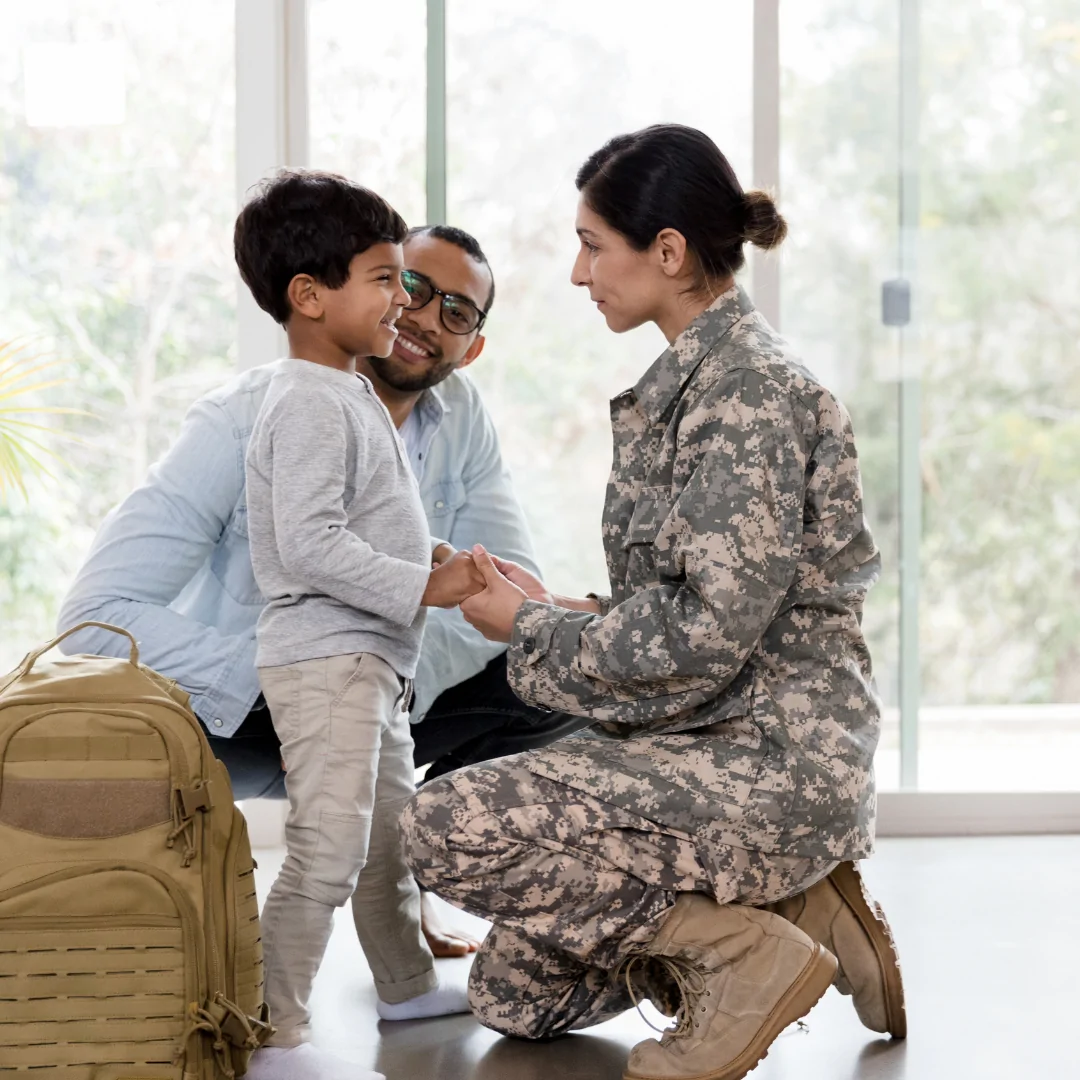
The U.S. military covers shipment of one personally-owned vehicle (POV) to Hawaii through the Vehicle Processing Center (VPC) system at no cost to the service member. For second vehicles or families needing more than one POV in Hawaii, commercial shipping through DCAT or another broker is required.
Military POV shipping covered by the government
- One POV per service member or household at government expense
- VPC drop-off at a designated West Coast port (typically Long Beach or Oakland)
- Ocean freight to Hawaii destination port (typically Pearl Harbor/Honolulu area)
- Most service members ship through the VPC system 4 to 8 weeks before report date
What the government does NOT cover
- Inland transport from your home to the mainland VPC (your responsibility, $250 to $1,500 depending on origin)
- Second vehicle commercial shipping (your responsibility, full Hawaii shipping rates apply)
- Inland transport from Hawaii arrival port to your duty station (your responsibility, $200 to $500)
- Motorcycles or oversized vehicles outside standard POV definitions
Major Hawaii military installations served
- Joint Base Pearl Harbor-Hickam (Navy and Air Force, largest joint base in Hawaii)
- Schofield Barracks (Army 25th Infantry Division, largest Army post in Hawaii)
- Marine Corps Base Hawaii (MCBH Kaneohe Bay, windward Oahu)
- Fort Shafter (Army Pacific Command headquarters)
- Camp Smith (U.S. Indo-Pacific Command headquarters)
- Tripler Army Medical Center (regional military medical center)
- Wheeler Army Airfield (Army aviation)
For full military Hawaii shipping coordination including VPC inland transport and second-vehicle commercial shipping, see our Hawaii OCONUS Military Car Shipping Guide or the broader PCS Military Car Shipping Guide.
DCAT offers military discounts for active duty, reserve, National Guard, and veteran customers across all branches. Mention your service status when requesting a quote.
Why choose Direct Connect Auto Transport for Hawaii shipping?
Direct Connect Auto Transport has been coordinating Hawaii vehicle shipments for military families, civilian relocations, snowbirds, and dealers for over 24 years. As a veteran-owned brokerage with deep experience in Pacific shipping logistics, we understand the specific complexities of Hawaii ocean freight, USDA agriculture inspection compliance, and military VPC coordination.
What sets Direct Connect apart for Hawaii shipping
- Ocean freight expertise: RoRo and container shipping to all four Hawaiian islands with established carrier relationships
- All major mainland ports: Long Beach, Los Angeles, Oakland, and Seattle departure options
- Military PCS specialists: Priority service and discounted rates for Pearl Harbor-Hickam, Schofield Barracks, MCBH, and Fort Shafter
- USDA compliance guidance: Complete pre-shipment instructions to avoid inspection delays
- Inter-island coordination: Transfers between Oahu, Maui, Big Island, and Kauai via Young Brothers barge service
- Real-time tracking: GPS tracking on mainland portion plus port-to-port updates
- Veteran-owned trust: A+ BBB rating, 23,000+ customer reviews at 4.9 stars, USDOT 2823098, 24+ years in business
Call Direct Connect Auto Transport today at (800) 980-2222 for a free Hawaii car shipping quote.
Why choose Direct Connect Auto Transport for Hawaii shipping?
Direct Connect Auto Transport has been coordinating Hawaii vehicle shipments for military families, civilian relocations, snowbirds, and dealers for over 24 years. As a veteran-owned brokerage with deep experience in Pacific shipping logistics, we understand the specific complexities of Hawaii ocean freight, USDA agriculture inspection compliance, and military VPC coordination.
What sets Direct Connect apart for Hawaii shipping
- Ocean freight expertise: RoRo and container shipping to all four Hawaiian islands with established carrier relationships
- All major mainland ports: Long Beach, Los Angeles, Oakland, and Seattle departure options
- Military PCS specialists: Priority service and discounted rates for Pearl Harbor-Hickam, Schofield Barracks, MCBH, and Fort Shafter
- USDA compliance guidance: Complete pre-shipment instructions to avoid inspection delays
- Inter-island coordination: Transfers between Oahu, Maui, Big Island, and Kauai via Young Brothers barge service
- Real-time tracking: GPS tracking on mainland portion plus port-to-port updates
- Veteran-owned trust: A+ BBB rating, 23,000+ customer reviews at 4.9 stars, USDOT 2823098, 24+ years in business
Call Direct Connect Auto Transport today at (800) 980-2222 for a free Hawaii car shipping quote.
Hawaii Car Shipping FAQs
How much does it cost to ship a car to Hawaii in 2026?
How long does it take to ship a car to Hawaii?
What documents do I need to ship my car to Hawaii?
Can I put personal belongings in my car when shipping to Hawaii?
Do I need to clean my car before shipping to Hawaii?
Which Hawaii island is cheapest to ship to?
What is RoRo vs. container shipping to Hawaii?
When is the best time to ship a car to Hawaii?
How do I register my car in Hawaii after shipping?
Can military personnel ship cars to Hawaii at government expense?
Get a free Hawaii car shipping quote
Direct Connect Auto Transport has coordinated Hawaii vehicle shipping for military families, civilian relocations, snowbirds, and dealers for over 24 years. Veteran-owned, A+ BBB rated, with full ocean freight expertise and real-time tracking on the mainland portion.
Key takeaways:
- West Coast to Honolulu costs $1,600 to $2,200; East Coast adds $500 to $1,000
- Total transit time is 10 to 21 days from pickup to Hawaii delivery
- USDA agriculture inspection requires thorough vehicle cleaning before shipping
- Book 4 to 6 weeks ahead during peak PCS season (May through August)
- Military service members get one POV shipped at government expense through VPC
Get a free Hawaii car shipping quote in under two minutes or call (800) 980-2222.
Last Updated: May 2026. Pricing and regulations subject to change. Contact Direct Connect for current rates.