


How Winter Affects Car Shipping in 2025?
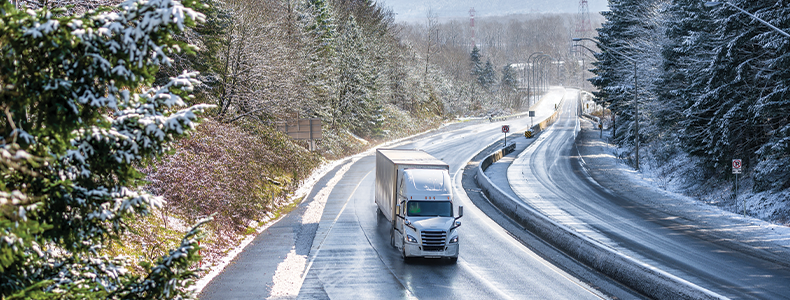
Winter car shipping transit times are typically 20-30% longer due to snow, ice, and hazardous road conditions that force drivers to slow down and take extra precautions to prevent accidents. These conditions reduce shipping speed and increase delays overall.
Heavy snowfall and icy roads commonly cause road closures and require carriers to reroute shipments, delaying the delivery time even further. These disruptions are frequent in northern states and mountainous regions where winter weather is severe.
During harsh winter months, fewer carriers operate in regions, limiting availability. Consequently, this shortage of drivers and transport companies leads to slower pickups and scheduling delays, especially in high-snowfall areas.
Cold temperatures in winter affect vehicle systems, including battery efficiency and tire pressure. Such conditions require proper vehicle preparation before shipping to prevent mechanical issues during transport. The 2025 winter forecast expects typical seasonal snow and ice, especially in northern and mountainous areas.
| Statistic | Value |
| Average delay | 2-4 days |
| Route restrictions | 15-20% of northern routes |
| Carrier availability | 30% reduction in some areas |
The Salt Belt: Understanding High-Risk States and Routes
The Salt Belt in the US comprises mainly northeastern states where heavy road salt usage is common for winter snow and ice control. As a result, these states experience higher corrosion rates and vehicle rusting due to frequent salt application.
Notably, the highest-risk states include Michigan, Ohio, Pennsylvania, and New York, which use over 300,000 tons annually, with Michigan and Ohio exceeding 400,000 tons. Carriers strongly recommend enclosed shipping for vehicles in these regions to prevent salt damage. High-risk routes such as Chicago to Florida, New York to Arizona, and Michigan to Texas are particularly affected by salt exposure, especially in the winter months.
| State | Annual Salt Usage | Risk Level | Recommendation Transport Type |
| Michigan | 450,000+ | Very High | Enclosed/Strongly Recommended |
| Ohio | 400,000+ | Very High | Enclosed strongly recommended |
| Pennsylvania | 350,000+ | High | Enclosed recommended |
| New York | 300,000+ | High | Enclosed recommended |
Other high-risk states like Indiana, Iowa, and New Jersey also see significant salt use, which impacts vehicle integrity and requires protective transport. Heavy salt usage causes environmental concerns with bioaccumulation and corrosion. Vehicles in these regions must be shipped in enclosed containers.
Salt Damage Costs: What You Need to Know in 2025
Average salt damage repair costs range between $500 and $3,000. Undercarriage rust repairs can be costly, falling between $1,500 and $5,000 due to corrosion on frame rails and brake lines.
Paint damage from salt costs $200 to $1,500 to fix. Salt-related corrosion also reduces long-term resale value by 10-20% which highly impacts a vehicle’s market price.
For example, a 2022 sedan exposed to road salt during shipping showed visible undercarriage rust within 6 months post-transport. Typically, early corrosion forms on the underside and wheel wells, progressing over 1-3 years to more extensive structural damage if untreated. Meanwhile, paint damage appears as dull spots and chips, and exposes the metal to rusting. However, regular maintenance and protection during shipping can slow corrosion development.
Standard open transport involves no built-in salt protection and carries the risk of $500-$5,000 in potential salt damage costs post-transport. In contrast, enclosed transport adds protection costs of $300-$500 above base shipping fees but prevents salt exposure and corrosion.
Open vs Enclosed Transport: Winter-Specific Considerations
| Factor | Open Transport | Enclosed Transport |
| Salt exposure | High | Minimal to none |
| Weather protection | Limited | Complete |
| Winter pricing | $800-$1,400 (1,000 mi) | $1,200-$2,200 (1,000 mi) |
| Availability | Moderate (30% less) | Limited (50% less) |
| Best for | Budget-conscious, short routes | High-value, salt belt routes |
| Booking now | 2-3 weeks | 4-6 weeks |
Open transport is best for short routes under 500 miles where exposure to winter weather and road salt is limited. Moreover, it works well for southern routes that avoid the Salt Belt, reducing salt damage risks.
Vehicles with some wear or minor damage are suitable for open transport, as they’re less likely to sustain further damage. Ultimately, open transport is a cost-effective choice when saving money is more important than having full protection.
When Enclosed Transport is Essential
Enclosed transport is primarily suitable for vehicles originating from or destined to Salt Belt states, where the use of heavy road salt leads to a high corrosion risk. It is required for high-value vehicles worth $30,000 or more, including classic, luxury, and special cars needing extra care.
For long-distance winter shipments, this protection method is also recommended, where extra coverage from weather and road debris is critical. Vehicles with low ground clearance benefit from enclosed trailers to avoid damage from snow and road salt.
| Pro Tip: If your route passes through more than 2 salt belt states, enclosed transport typically pays for the prevented damage. |
Complete Winter Car Shipping Preparation Checklist
Exterior Preparation
Apply a protective wax coating to prevent salt and moisture damage. Thoroughly clean the vehicle to remove dirt and salt buildup. Document existing rust or paint damage with dated photos for accurate condition records.
Check and seal all door and trunk seals to prevent moisture intrusion. Remove or securely fasten exterior accessories like roof racks to avoid damage during transit.
Mechanical Preparation
Top off all fluids, especially antifreeze and windshield washer fluid, to ensure freezing protection. Check tire pressure, considering cold weather, as temperatures affect inflation.
Make sure the battery is fully charged. Test all lights and signals for proper operation. Leave about a quarter tank of gas to reduce weight and maintain safety.
Interior Preparation
Remove all personal belongings. Disable alarm systems to avoid false triggers during transport.
Set climate controls to neutral or off to prevent battery drain. Document the interior condition with photos.
Documentation
Have vehicle registration and insurance documents ready. Take photos of the vehicle’s exterior and interior from multiple angles, including existing salt or rust damage.
Provide clear contact information for pickup and delivery points as well as emergency contacts.
Post-Delivery Actions
First, inspect the vehicle immediately upon arrival and photograph any new damage. Then, schedule a thorough vehicle wash within 48 hours to remove salt residue. Additionally, check wheel wells and all areas for salt buildup. Finally, carefully note any issues on the Bill of Lading before signing.
Winter Car Shipping Pricing and Timing Strategies (2025)
Winter car shipping prices peak between December and February due to high demand from seasonal relocations and holiday moves. During this period, rates typically increase by 15-25% compared to fall prices, driven by increased weather-related challenges for carriers. Additionally, in some regions, carrier shortages add another 10-15% price increase, as fewer drivers operate in harsh conditions.
| Route | Distance | Open Transport Price | Enclosed Transparent Price | Best Booking Time |
| Chicago to Tampa | 1,200 mi | $1,050 – $1,400 | $1,400 – $2,000 | October-November (before snowbird rush) |
| New York to Phoenix | 2,400 mi | $1,500 – $1,900 | $2,400 – $3,000 | Early December |
| Detroit to Dallas | 1,200 mi | $1,000 – $1,300 | $1,600 – $2,000 | January (post-holiday) |
| Boston to Los Angeles | 3,000 mi | $1,700 – $2,200 | $2,800 -$3,500 | November |
These ranges reflect the typical 15-25% price increase in winter and the added $300-$600 premium for enclosed transport during peak winter months. Booking 3-4 weeks in advance is recommended to secure the best rates and availability.
Here are some Money-Saving Strategies
Booking 4-6 weeks in advance can save 15-20% on car shipping costs by securing better rates and availability. Similarly, choosing off-peak weeks like mid-January or early March helps reduce prices as demand lowers.
Additionally, using terminal-to-terminal shipping saves $75-$150 compared to door-to-door service by reducing carrier driving time. Furthermore, avoid booking the week before and after major holidays to bypass higher demand and price surges.
Finally, shipping multiple vehicles at once can qualify for family or multi-car discounts, lowering the overall cost.
Peak vs Off-Peak Calendar
The period from December 15 to January 5 is the busiest holiday season, with the highest prices. January 6 to February 28 marks the snowbird peak with continued busy volume. From November 1 to December 14, there is moderate demand and prices. March 1 to 15 offers the lowest prices after the winter move season.
| Pro Tip: Booking between Thanksgiving and December 10 provides better availability and 10-15% lower prices than the December 15 to January 5 rush. |
Insurance and Protection: What’s Covered in Winter 2025
Most car shipping carrier insurance covers damage during transport, but typically does not cover weather-related damage like salt exposure.
Undercarriage damage caused by corrosion or salt buildup is frequently excluded from standard insurance. Claims for pre-existing rust or damage are typically denied unless the owner provides detailed documentation, including dated photos, prior to shipping.
Standard insurance covers collision damage during transit, accidents during loading and unloading, theft while the vehicle is in carrier possession, and damage from wind-blown debris.
Gap insurance of $50 and $150 is available for high-value vehicles. Weather protection riders range from $75 to $200. Undercarriage coverage endorsements can protect against salt and corrosion, costing between $30 and $100.
First, take photos of your vehicle completely before shipping. Then, after delivery, document any new salt residue or rust. Additionally, note all conditions on the Bill of Lading before signing. Finally, claims must be filed within 7-10 days of delivery.
Insurance Checklist:
- Request a Certificate of Insurance (COI) before booking.
- Verify cargo coverage limits, which should be at least $100,000.
- Ask specifically about winter and salt damage exclusions.
- Photograph the undercarriage before and after shipping.
- Keep all receipts for protective treatments like wax coatings.
- Understand and adhere to claim filing deadlines.
Regional Winter Shipping Guides
Northeast (NY, MA, PA, NJ)
This region has the heaviest road salt usage in the nation. The I-95 corridor frequently experiences delays. Therefore, book enclosed transport at least 6 weeks ahead.
The best months for shipping are November or March to avoid peak traffic and salt issues. Shipping before the first snow in October is a good alternative.
Midwest (IL, MI, OH, WI)
Extreme salt belt exposure is common. Chicago area bottlenecks create delays. Consider alternative pickup locations to avoid congestion. Lake-effect snow causes frequent delays. Enclosed transport is mandatory due to salt and weather conditions.
Mountain West (CO, UT, WY)
High elevation causes route closures and tire chain requirements. Carrier access to mountain towns is limited. Consequently, winter storm delays of 3-5 days are common.
Use alternative southern routes when possible to avoid severe mountain winter conditions.
Southern Winter Destinations (FL, TX, AZ)
High inbound demand from snowbirds drives premium pricing in December through February. Transit times are faster depending on the weather. Open transport is more viable here. Book shipments 4-6 weeks in advance to secure slots.
Pacific Northwest (WA, OR)
Receives more rain than snow. Cascade mountain passes occasionally close. Moderate delays of 2-3 days occur. Undercarriage rust prevention is important due to year-round moisture. Continuous moisture protection is recommended.
Ship Your Car The Right Way
Don’t let salt damage or winter weather put your vehicle at risk. Direct Connect Auto Transport specializes in winter car shipping with ease of mind.
Get Your Free Winter Car Shipping Quote
🔗 Request your no-obligation quote now
Frequently Asked Questions
How much does winter car shipping cost compared to other seasons?
Winter shipping usually costs 15-25% more than fall but less than peak summer due to lower demand, but challenging weather.
Should I use enclosed transport for winter shipping?
Yes, enclosed transport is recommended in winter to protect vehicles from salt, snow, and road debris damage.
How long does winter car shipping take?
Winter car shipping takes 20-30% longer transit time due to weather delays and road conditions.
When is the best time to book winter car shipping?
Book winter car shipping 3-6 weeks in advance to secure availability and better pricing.
How do I protect my car from salt damage during shipping?
Use enclosed transport and wash the undercarriage within 48 hours after delivery to protect against salt damage.
What states use the most road salt?
Michigan, Ohio, Pennsylvania, New York, Wisconsin, and Illinois are the highest salt-using states in the US.
Does winter weather cause shipping delays?
Yes, snow, ice, and road closures cause 20-30% longer transit delays in winter shipping.
Can I ship my car in a snowstorm?
Shipping during a snowstorm is not recommended due to safety risks and likely delays; carriers often delay pickups in severe weather.