


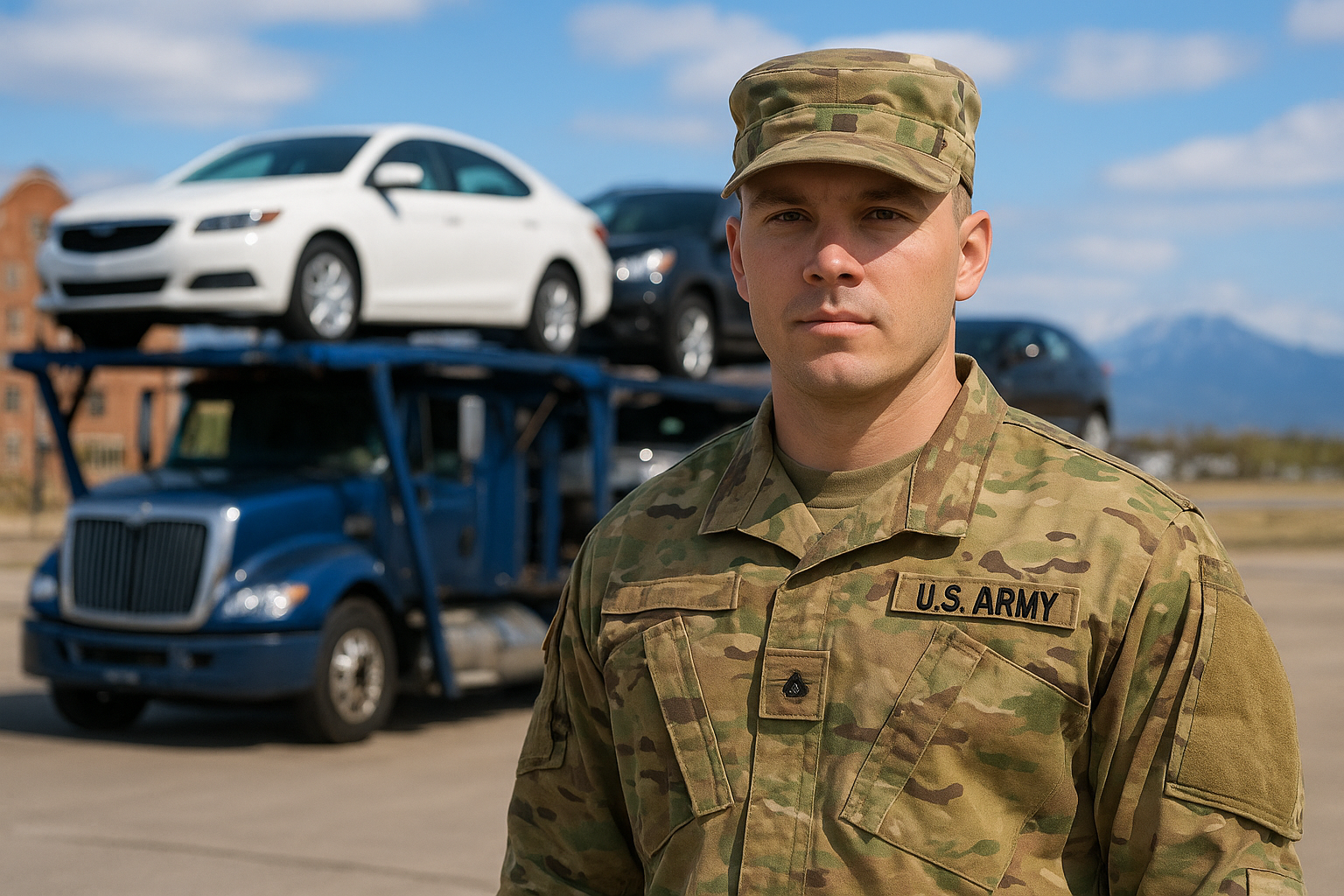
Understanding This Major Military PCS Corridor
The Virginia Beach to Colorado Springs route represents one of the busiest military relocation corridors in the United States. Naval Station Norfolk, the world's largest naval base with 75,000+ military and civilian personnel, anchors the Virginia Beach area alongside Naval Air Station Oceana and Joint Expeditionary Base Little Creek. On the receiving end, Colorado Springs hosts Fort Carson with 25,000+ soldiers, Peterson Space Force Base headquarters, Schriever Space Force Base, and the U.S. Air Force Academy.
Virginia Beach area military presence:
- Naval Station Norfolk: 75,000+ military/civilian personnel
- Naval Air Station Oceana: Master jet base for East Coast naval aviation
- Joint Expeditionary Base Little Creek: SEAL teams, amphibious forces
- Total military population: 100,000+ active duty, dependents, civilians
Colorado Springs military installations:
- Fort Carson: 25,000+ soldiers, 4th Infantry Division headquarters
- Peterson Space Force Base: U.S. Space Force headquarters, NORAD
- Schriever Space Force Base: Space operations, satellite control
- U.S. Air Force Academy: 4,000+ cadets in officer training
- Total military population: 45,000+ active duty plus dependents
This corridor primarily serves Navy-to-Army, Navy-to-Air Force, and increasingly Navy-to-Space Force branch transfers, career progression assignments requiring different base locations, specialized training rotations, and family preference relocations from coastal humidity to mountain climate.
PCS Season Timing Strategy
Understanding when most military moves happen helps you plan booking timing and budget appropriately. Summer PCS season from May through August accounts for 60-70% of all annual military relocations, driven by school year timing and fiscal year transitions.
Peak summer surge impact (May-August):
- Prices increase 15-20% above baseline rates
- Carrier availability tightens significantly
- Advance booking essential: 3-4 weeks minimum, 6-8 weeks preferred
- Competition with civilian summer relocations
- Rush fees common for last-minute orders
Off-peak advantages (September-April):
- Standard or reduced pricing (10-15% below summer rates)
- Better carrier availability and flexibility
- Shorter booking windows acceptable (2-3 weeks)
- Fewer delays and complications
If your orders provide any flexibility, avoiding peak summer season saves hundreds of dollars and reduces relocation stress. If summer transfer is mandatory, book immediately upon receiving orders.

Coast to Mountains Climate Transition
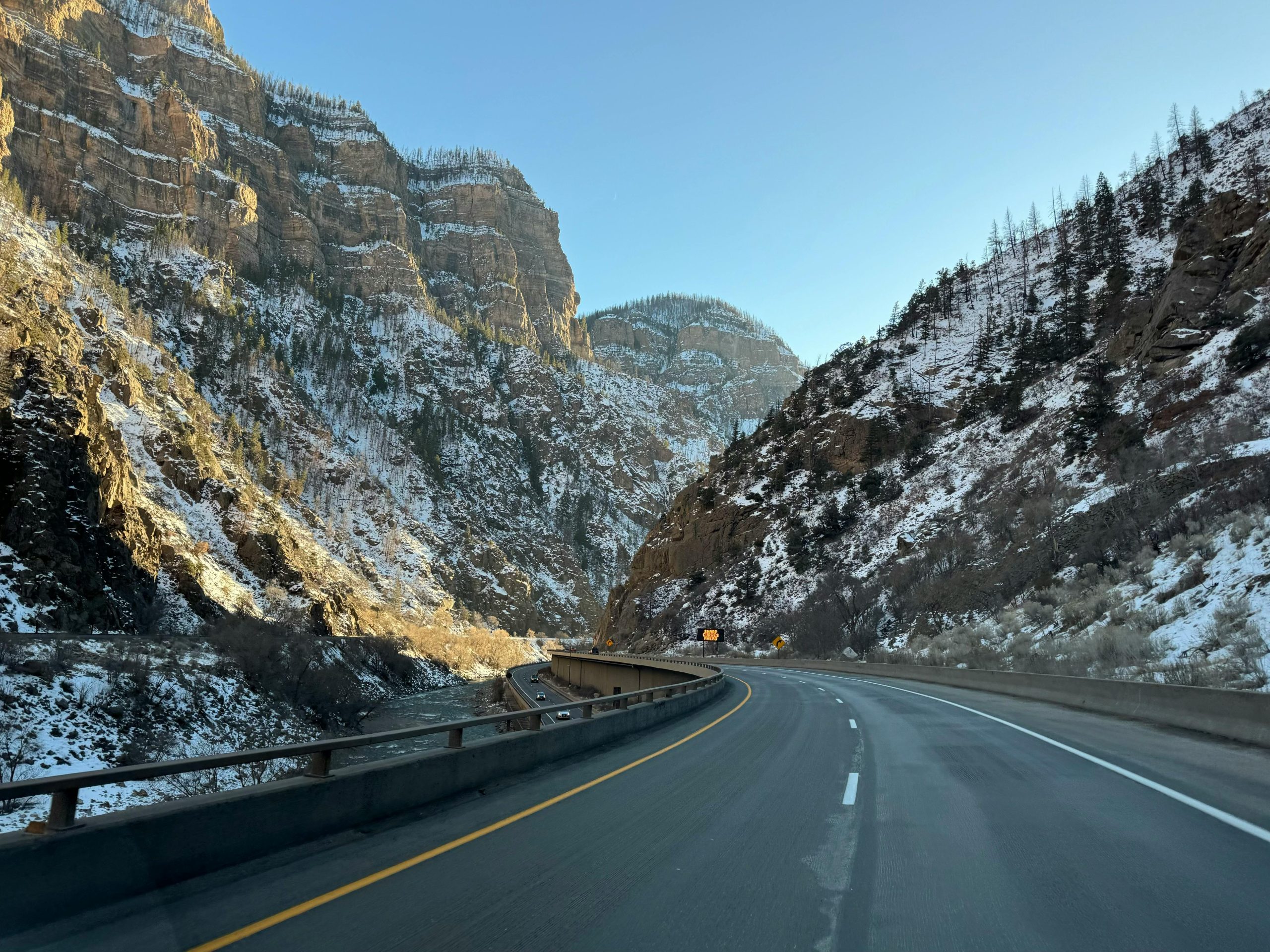
Your vehicle travels from sea level coastal Virginia to 6,035-foot elevation in Colorado Springs, crossing distinct climate zones that affect both shipping logistics and long-term vehicle maintenance.
Virginia Beach characteristics:
- Sea level elevation with humid subtropical climate
- Hot humid summers, mild winters
- Coastal salt air causes gradual corrosion
- Hurricane season (June-November) can create delays
Colorado Springs environment:
- 6,035 feet elevation (thin air affects performance)
- Semi-arid climate (dry year-round)
- Cold snowy winters, hot dry summers
- 300+ days of sunshine annually
- Intense UV exposure at altitude affects paint
Vehicle impact considerations:
- Altitude adjustment changes engine performance
- Tire pressure fluctuates with elevation
- Winter preparation essential (snow tires, emergency kits)
- UV paint protection combats high-altitude sun exposure
Virginia Beach to Colorado Springs Military PCS Pricing
Understanding costs helps you budget accurately and maximize DITY/PPM reimbursement. The 1,850-mile route typically costs less than cross-country moves but more than shorter regional transfers.
2025 Military Discount Pricing
|
Vehicle Type |
Open Transport |
Enclosed Transport |
With 10-15% Military Discount |
|
Sedan/Compact |
$1,300-$1,600 |
$1,900-$2,300 |
$1,105-$1,360 |
|
SUV/Truck |
$1,500-$1,750 |
$2,200-$2,500 |
$1,275-$1,488 |
|
Luxury/Classic |
$1,650-$1,800 |
$2,400-$2,600 |
$1,403-$1,530 |
These prices reflect industry averages of $0.70-$0.95 per mile for routes over 1,800 miles. Peak summer PCS season adds 15-20% to all rates shown.
Military Discount Verification
Most carriers offer discounts to service members, but verification requirements vary. Understanding the process ensures you receive entitled savings.
Who qualifies:
- Active duty military (all branches including Space Force)
- Reserve and National Guard on active orders
- Veterans with DD-214 (typically 5-10% discount)
- Military spouses with valid military ID
- Retired military with retirement credentials
Verification process:
- Provide copy of PCS orders at booking
- Submit active duty military ID (both sides)
- Discount applied to final invoice
- Keep documentation for DITY/PPM reimbursement
Discount structure:
- Single vehicle: 10% off standard rates
- Multiple vehicles: 15% off (families shipping 2+ cars)
- Repeat customers: Additional 5% for prior service
DITY/PPM Reimbursement Essentials
Many service members choose DITY (Do-It-Yourself) or PPM (Personally Procured Move) options where you arrange shipping upfront, then seek reimbursement. Proper documentation is critical for successful claims.
Required documentation:
- DD Form 2278: Application for DITY Move
- Shipping contract showing all costs
- Paid invoices with original receipts
- Bill of Lading from pickup and delivery
- Weight tickets if vehicle counts toward allowance
- Delivery confirmation with dates
Reimbursement timeline:
- Submit to transportation office within 45 days of delivery
- Reimbursement typically 50-95% of actual costs
- Processing takes 30-60 days after submission
- Direct deposit to bank account on file
What's usually NOT covered:
- Enclosed transport upgrades (unless pre-approved)
- Expedited/rush services
- Personal items left in vehicle
- Storage costs between pickup and delivery
Critical recommendation: Coordinate with your transportation office BEFORE booking to understand exact eligibility and documentation requirements for your specific situation.
Route Logistics and Transit Times
The Virginia Beach to Colorado Springs route crosses multiple states and climate zones, requiring carriers to navigate both Appalachian and Rocky Mountain regions.
Primary shipping route:
- I-64 West from Virginia Beach through Richmond
- I-77 South through West Virginia and Virginia
- I-40 West through North Carolina, Tennessee, Arkansas, New Mexico
- I-25 North from Albuquerque into Colorado Springs
- Total distance: Approximately 1,850 miles
Expected Timeline
|
Phase |
Duration |
Military Coordination Notes |
|
Booking to Carrier Assignment |
1-2 days |
Faster with PCS orders provided |
|
Pickup Window |
1-2 days |
Align with housing vacate date |
|
In-Transit Time |
4-6 days |
Weather and route dependent |
|
Total Process |
6-10 days |
Booking through delivery |
Critical timing considerations:
- Plan vehicle arrival 3-5 days before report date (buffer for delays)
- Coordinate delivery with housing move-in dates
- Have backup transportation plan ready
- Summer: Standard 4-6 day transit
- Winter: Potential 5-7 days due to Colorado snow
Military Base Access and Delivery Coordination
Base access coordination represents one of the most challenging aspects of military PCS car shipping. Both Virginia Beach and Colorado Springs installations have specific requirements that complicate commercial carrier entry.
Virginia Beach Pickup Procedures
Naval installations require advance coordination that many service members find easier to avoid through off-base pickup arrangements.
On-base pickup requirements:
- Commercial carriers must pre-register 48-72 hours minimum
- Use designated commercial gates (not main gates)
- Avoid shift changes: 0600-0800, 1500-1700 weekdays
- Multiple housing communities need specific addresses
- Enhanced security screening for all commercial vehicles
Off-base pickup advantages:
- No carrier pre-registration required
- Flexible timing without base security constraints
- Easier carrier routing and scheduling
- Common locations: Hotels, storage facilities, commercial parking areas
Many service members staying in hotels during PCS transition find off-base pickup significantly simpler and more reliable than coordinating base access.
Colorado Springs Delivery Coordination
Colorado Springs installations vary in access difficulty, with Space Force bases maintaining the most restrictive policies.
Fort Carson delivery:
- Visitor Control Center registration required (24 hours advance)
- Gate 1 typically handles commercial traffic
- On-post housing needs specific gate information
- Alternative: Off-post delivery to Security/Fountain areas
Peterson Space Force Base:
- Highly restricted due to Space Force operations
- Pre-approval required well in advance
- Off-base delivery near East Gate standard practice
- Powers Boulevard commercial areas convenient
U.S. Air Force Academy:
- Very limited access (cadet training restrictions)
- Off-base delivery strongly preferred
- North Gate area, Monument, Academy Boulevard options
Best practice recommendation: Arrange off-base delivery near installations unless on-post housing is immediately available. Professional carriers familiar with military moves know reliable delivery locations that provide convenient access while avoiding base security complications.
Vehicle Preparation for Military PCS Shipping
Proper preparation protects your vehicle during the 1,850-mile transit and provides documentation needed for potential claims or DITY/PPM reimbursement.
Standard Preparation Checklist
Every military PCS vehicle shipment should follow these preparation steps regardless of transport type or destination.
Before carrier arrival:
- Clean vehicle thoroughly inside and out
- Take dated photos from all angles (minimum 10 photos)
- Remove all personal items (not insured by carrier)
- Check fluid levels and tire pressure
- Ensure reliable starting and shifting
- Fuel level at 1/4 tank or less
- Disable car alarms and anti-theft devices
- Remove toll tags, parking passes, base decals
Bill of Lading inspection:
- Inspect with carrier driver before loading
- Note every existing scratch, dent, or imperfection
- Take photos with carrier present when possible
- Keep your copy separate from vehicle
- Both parties sign acknowledging condition
Climate-Specific Considerations
The transition from coastal Virginia to high-altitude Colorado requires special attention to vehicle condition and documentation.
Virginia Beach departure prep:
- Clean undercarriage (remove coastal salt accumulation)
- Document existing rust or corrosion from salt air
- Remove sand and beach materials from interior
- Check for moisture issues from humidity exposure
Colorado altitude arrival:
- Vehicle will perform differently at 6,035 feet
- Plan post-delivery maintenance check
- Tire pressure adjusts with altitude change
- Engine runs differently in thin air
DITY/PPM documentation:
- Photograph odometer readings before/after
- Keep all receipts secure (not in vehicle)
- Make backup copies of everything
- Submit complete packet within 45 days
Required Documentation
At pickup:
- Valid government-issued photo ID
- Current vehicle registration
- Copy of PCS orders
- Proof of insurance
- Power of attorney (if spouse handles coordination)
At delivery:
- Same ID used at pickup
- Original Bill of Lading
- Thorough inspection before signing
- Note any new damage immediately
- Take delivery condition photos
Open vs Enclosed Transport for Military Moves
Choosing between transport methods depends on vehicle value, budget constraints, and DITY/PPM reimbursement considerations.
Open Transport
($1,300-$1,750 with discount)
Open transport works well for standard vehicles and budget-conscious relocations, representing the choice for 90% of military PCS moves.
Best for:
- Standard passenger vehicles and daily drivers
- Budget-conscious PCS moves
- Vehicles valued under $30,000
- Maximizing DITY/PPM reimbursement
Advantages:
- 30-40% lower cost than enclosed
- Excellent year-round availability
- Adequate protection for 1,850-mile route
Considerations:
- Weather exposure during 4-6 day transit
- Road debris potential across multiple states
- Temperature extremes from coast to mountains
Enclosed Transport
($1,900-$2,600 with discount)
Enclosed transport provides premium protection but at significantly higher cost that may not receive full DITY/PPM reimbursement.
Best for:
- Luxury vehicles or classics
- High-value cars ($40,000+)
- Pristine-condition vehicles
- Officer relocations with premium vehicles
Advantages:
- Complete weather and debris protection
- Climate-controlled options available
- Higher insurance coverage limits
Considerations:
- 40-50% premium over open transport
- Limited availability requires advance booking
- May not be fully reimbursed in DITY moves
Military decision framework:
- E-1 to E-6: Open transport most cost-effective
- E-7 and above: Consider enclosed for higher-value vehicles
- Officers: Enclosed justifiable for luxury vehicles
- All ranks: Verify DITY/PPM policies before upgrading
Why Military Families Choose Direct Connect Auto Transport
Direct Connect Auto Transport specializes in military PCS relocations with deep understanding of service member needs, base coordination requirements, and transportation office documentation.
Military-specific expertise:
- Extensive PCS cycle experience and timing coordination
- Transportation office documentation assistance
- Base access coordination for Virginia Beach and Colorado Springs
- 10-15% military discount programs
- Flexible scheduling around report dates and deployments
Service advantages:
- Reliable 4-6 day delivery timelines
- Real-time GPS tracking throughout journey
- Zero deposit options for qualified military customers
- Multiple vehicle coordination (families shipping 2+ vehicles)
- DITY/PPM documentation support
- 99.6% damage-free delivery rate
- A+ BBB rating with military reviews
What sets Direct Connect apart is our dedicated military family support team that genuinely understands deployment challenges, urgent order changes, and family separation stress. We provide clear communication and work hard to make vehicle transport the easiest part of your PCS move.
Ready to Ship Your Vehicle for Your PCS?
Get started with your Virginia Beach to Colorado Springs military car shipping today. Our team understands military relocation challenges and is here to make vehicle transport seamless.
Frequently Asked Questions
How much does military PCS car shipping cost from Virginia Beach to Colorado Springs?
Military PCS car shipping costs $1,300-$1,800 for open transport and $1,900-$2,600 for enclosed transport on this 1,850-mile route. Active duty military receive 10-15% discounts with valid ID or PCS orders. Peak summer season (May-August) adds 15-20% to base rates. Book 3-4 weeks in advance during peak season for best availability.
Does the military pay for PCS car shipping?
Coverage depends on your orders and move type. Government-arranged moves may include vehicle shipping for OCONUS-to-CONUS transfers. DITY/PPM moves allow you to arrange shipping and seek 50-95% reimbursement based on Government Constructed Cost. Coordinate with your transportation office before booking to understand exact coverage and required documentation.
How long does it take to ship a car from Virginia Beach to Colorado Springs?
Standard shipping takes 4-6 days in transit. The complete process from booking to delivery spans 6-10 days total. Plan for vehicle arrival 3-5 days before your report date to allow buffer time for weather delays. Winter shipping (November-March) may extend to 5-7 days due to Colorado snow season.
When should I book car shipping for summer PCS season?
Book 3-4 weeks minimum in advance for May-August moves, preferably 6-8 weeks ahead when possible. Summer accounts for 60-70% of annual military moves, creating high demand and limited carrier availability. Earlier booking secures better rates and ensures your preferred pickup/delivery dates.
Can I ship my car directly to Fort Carson or Peterson Space Force Base?
On-base delivery is possible but requires carrier pre-registration 24-48 hours minimum advance. Fort Carson uses Gate 1 for commercial vehicles, while Peterson Space Force Base has more restrictive security requirements. Many service members arrange off-base delivery to nearby locations (Security, Fountain, Powers Boulevard areas) to simplify logistics and avoid access restrictions.
What documents do I need for military car shipping?
Required documents include valid government ID, current vehicle registration, copy of PCS orders for military discount, proof of insurance, and power of attorney if your spouse handles coordination. For DITY/PPM reimbursement, also need DD Form 2278, shipping contract, paid invoices, Bill of Lading, and delivery confirmation. Submit complete packet within 45 days.
Can my spouse coordinate car shipping while I'm deployed?
Yes, with proper power of attorney documentation authorizing your spouse to handle pickup and delivery. Provide the carrier with power of attorney at booking and ensure your spouse has all necessary documents including vehicle registration, insurance, and copy of PCS orders. This arrangement works well when service members deploy before or during PCS.
What if my PCS orders change after booking car shipping?
Military-friendly carriers understand orders change and offer flexible rescheduling. Contact your carrier immediately when orders change. Most allow one free reschedule, though peak season changes may incur fees. Direct Connect offers military-specific flexibility for changed orders, deployments, and unexpected duty requirements.