


Why Tesla Shipping Requires Specialized Knowledge
Tesla vehicles represent a unique intersection of cutting-edge technology, premium value, and specific handling requirements. With over 2.3 million Teslas on US roads in 2025 and 450,000+ new deliveries annually, understanding proper transport has become essential. As a veteran-owned company with 24 years of specialized experience, Direct Connect Auto Transport has developed comprehensive Tesla shipping protocols addressing battery safety, technical specifications, and premium care.
What makes Tesla shipping different:
- Battery considerations: Lithium-ion transport requires DOT protocols and charge state management
- Weight factors: Teslas significantly heavier than gas equivalents (Model Y: 4,416 lbs vs RAV4: 3,370 lbs)
- Glass vulnerability: Panoramic roofs require extra loading/unloading care
- Premium value: Model S Plaid ($108,490) justifies enclosed transport and higher insurance
- Owner expectations: Tech-savvy Tesla community demands transparency and specialized knowledge
Migration patterns driving demand:
- California exodus: 40% of shipments originate from CA (highest EV adoption, tax migration)
- Tax advantages: CA/NY → TX/FL relocations save $10,000-$30,000 annually
- Remote work: Tech workers keeping CA salaries while moving to lower-cost states
- Snowbirds: Wealthy retirees shipping Model S/X between seasonal residences
Military connection: Tesla ownership among military members has grown 25% (2023-2025). Active duty military receive 10-15% discounts with valid PCS orders. Direct Connect‘s veteran-owned heritage means priority service for service members.
Model-by-Model Tesla Shipping Guide
Each Tesla model presents distinct shipping considerations based on size, weight, value, and design features.
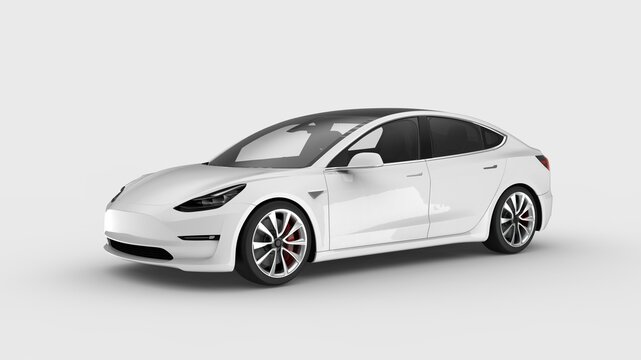
Tesla Model 3 (Mass Market Sedan)
Specifications:
- Weight: 3,862-4,048 lbs
- Value: $38,990-$53,990
- Panoramic glass roof
- 5.5″ ground clearance
Shipping costs:
|
Distance |
Open Transport |
Enclosed Transport |
|
0-500 miles |
$600-$850 |
$950-$1,300 |
|
500-1,000 miles |
$850-$1,200 |
$1,300-$1,700 |
|
1,000-2,000 miles |
$1,200-$1,600 |
$1,700-$2,200 |
|
2,000+ miles |
$1,600-$1,800 |
$2,200-$2,400 |
Recommendations: Open transport adequate for RWD/Long Range. Consider enclosed for Performance variant and custom modifications (PPF, wraps, ceramic coating).
Tesla Model Y (Crossover SUV)
Specifications:
- Weight: 4,416-4,555 lbs
- Value: $43,990-$52,490
- Largest panoramic glass roof
- 6.6″ ground clearance
Shipping costs:
|
Distance |
Open Transport |
Enclosed Transport |
|
0-500 miles |
$650-$900 |
$1,000-$1,400 |
|
500-1,000 miles |
$900-$1,300 |
$1,400-$1,800 |
|
1,000-2,000 miles |
$1,300-$1,700 |
$1,800-$2,300 |
Recommendations: Most popular Tesla model (35% of all transports). Open transport works for standard trims. Enclosed for Performance and custom configurations.
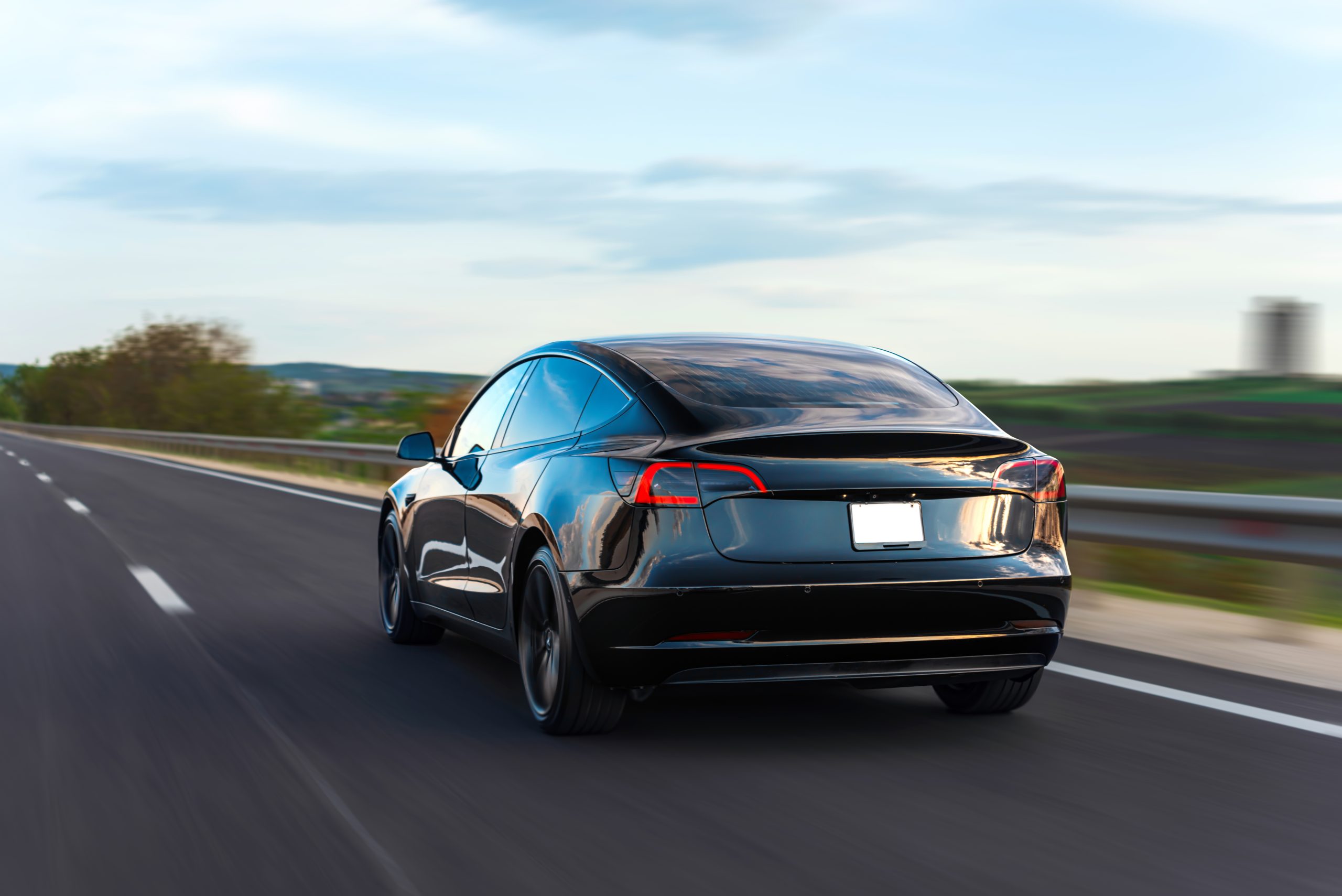
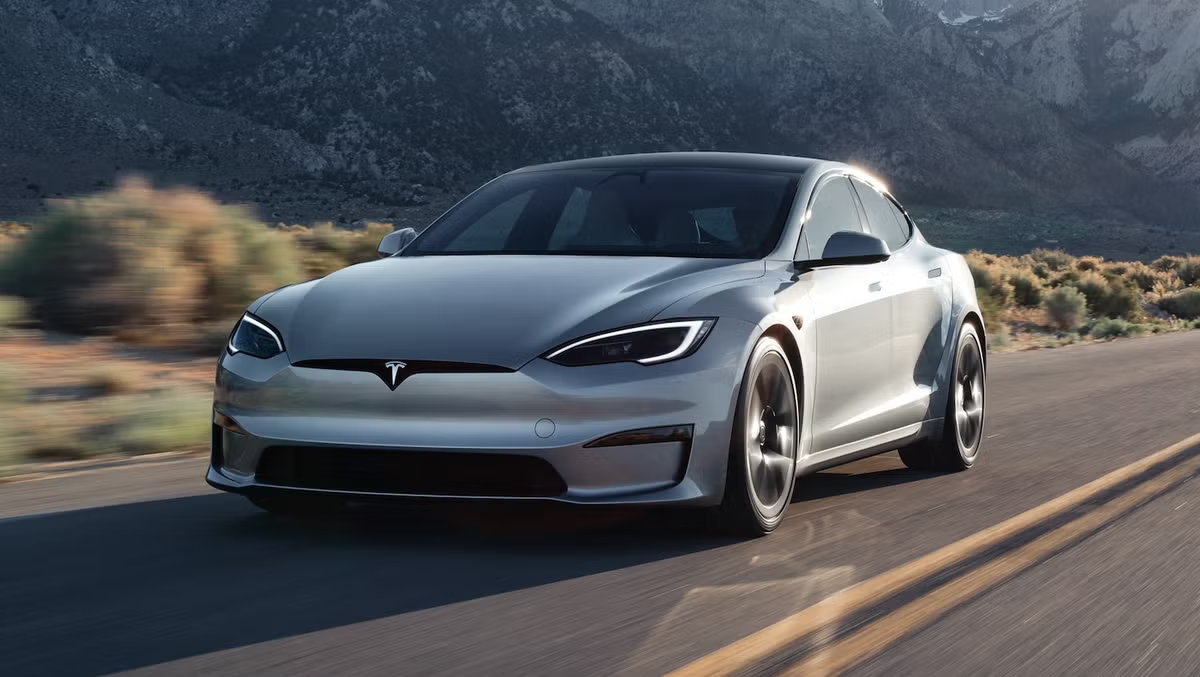
Tesla Model S (Luxury Sedan)
Specifications:
- Weight: 4,561-4,766 lbs
- Value: $74,990-$108,490 (Plaid)
- Longest Tesla sedan
- High-performance brakes
Shipping costs:
|
Distance |
Open Transport |
Enclosed Transport |
|
0-500 miles |
$750-$1,000 |
$1,200-$1,600 |
|
500-1,000 miles |
$1,000-$1,400 |
$1,600-$2,100 |
|
1,000-2,000 miles |
$1,400-$1,900 |
$2,100-$2,600 |
Recommendations: $75K-$108K value justifies enclosed for 60-75% of owners. Plaid variants ($108,490) almost universally shipped enclosed.
Tesla Model X (Luxury SUV)
Specifications:
- Weight: 5,185-5,390 lbs (heaviest Tesla)
- Value: $79,990-$94,990
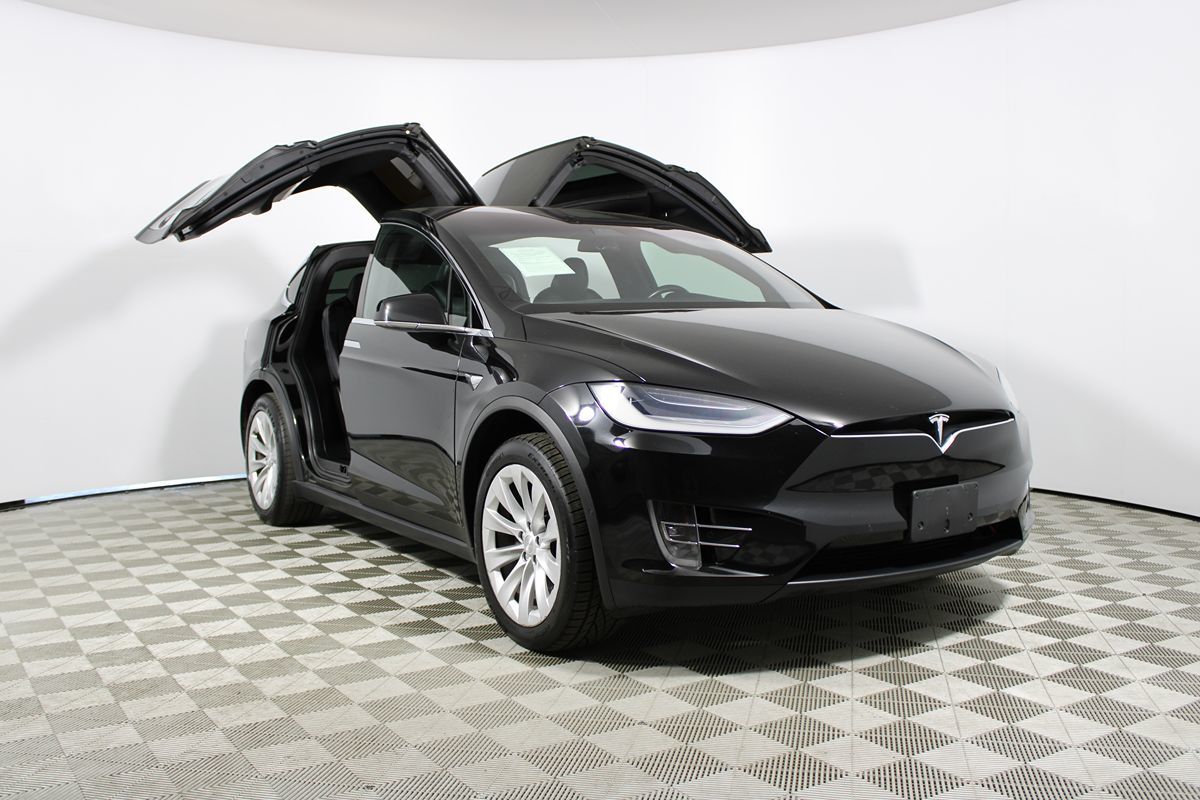
- Falcon wing doors
- Largest panoramic windshield
Shipping costs:
|
Distance |
Open Transport |
Enclosed Transport |
|
0-500 miles |
$800-$1,100 |
$1,300-$1,700 |
|
500-1,000 miles |
$1,100-$1,500 |
$1,700-$2,200 |
|
1,000-2,000 miles |
$1,500-$2,000 |
$2,200-$2,700 |
Recommendations: Enclosed strongly recommended. Falcon wing doors, massive windshield, and $80K-$95K value favor premium protection.
Tesla Battery Safety: Myth vs Reality
Proper Tesla battery transport protocols:
Optimal charging state: 20-30%
- Not empty (BMS requires minimum 10% charge for safety monitoring)
- Not full (avoid thermal expansion during temperature changes)
- Sweet spot: 20-30% optimal for multi-day transport across climates
- Battery draws only 2-3% over 14-day transport in sleep mode
Why Tesla batteries are transport-safe:
- DOT approved for ground transport
- Battery Management System actively monitors temperature
- Battery pack encased in reinforced steel/aluminum frame
- Millions of EVs transported safely since 2010
- Professional carriers trained in lithium-ion protocols
What carriers do (and don’t do):
- No charging during transport (unnecessary, battery lasts entire journey)
- No Supercharger access needed
- Sleep mode maintained throughout (minimal power draw)
- Carriers monitor for alerts at loading/delivery
MYTH
1 – “Tesla batteries can catch fire during shipping.”
2 – “Carriers need to charge Tesla during transport.”
3 – “You should fully charge Tesla before shipping.”
REALITY
1 – REALITY: With 20-30% charge and professional handling, battery incidents during transport are extremely rare (statistically safer than gas vehicles with 15 gallons of flammable fuel)
2 – REALITY: 20-30% charge easily lasts 14+ days with the vehicle in sleep mode
3 – REALITY: 20-30% is optimal—full charge increases thermal expansion risk
Open vs Enclosed Transport Decision
Open Transport ($600-$2,000)
Best for:
- Model 3/Y standard trims (under $50K value)
- Used Teslas with normal wear
- Budget-conscious owners (saves $600-$1,000)
- Daily drivers (not show condition)
Advantages:
- 40-50% cost savings
- Excellent availability
- Same transit times as enclosed
Considerations:
- Weather exposure during 5-14 day transit
- Road debris potential
- Standard $100K carrier insurance
Enclosed Transport ($950-$2,800)
Best for:
- Model S/X luxury variants ($75K-$108K)
- Plaid Performance models
- Custom PPF, wraps, ceramic coating
- Brand new delivery center pickups
- Show/collector condition vehicles
Advantages:
- Complete weather/debris protection
- Climate-controlled options
- Higher insurance ($250K+ coverage)
- Premium handling
Considerations:
- 60-75% premium over open
- Requires 5-7 days advance booking
- Usually door-to-door only
DECISION FRAMEWORK:
Choose Open if: Model 3/Y under $50K, used Tesla with normal wear, budget priority, daily driver
Choose Enclosed if: Model S/X or any Tesla $70K+, Plaid variant, custom PPF/wraps, pristine condition
Geographic Tesla Shipping Patterns
California → Texas (Highest volume route):
- Why: Zero TX income tax (save 9.3-13.3%), lower cost of living
- Common: San Francisco → Austin, LA → Dallas/Houston
- Cost: $1,200-$1,800 (open), $1,800-$2,500 (enclosed)
- Volume: 15,000+ Teslas annually
- Why: Zero FL income tax, beaches, warm weather
- Common: SF → Miami/Tampa, LA → Fort Lauderdale
- Cost: $1,800-$2,200 (open), $2,500-$2,800 (enclosed)
- Volume: 8,000+ Teslas annually
- Why: 300+ sunny days, escape rain
- Cost: $1,000-$1,400 (open), $1,500-$2,100 (enclosed)
Tesla-Specific Protection Considerations
Panoramic glass roof:
All Teslas feature large glass roofs. Enclosed transport eliminates road debris risk. Professional loading minimizes vibration. Document existing chips pre-shipping.
Touchscreens and technology:
Put Tesla in “Transport Mode” before shipping. Carriers use proper tie-down points, minimizing vibration transfer.
Falcon wing doors (Model X):
Verify doors are completely closed and locked. Use carriers experienced with Model X. Enclosed provides overhead protection.
Paint protection:
PPF-wrapped Teslas always ship enclosed (protect $5K-$8K investment). Custom wraps require enclosed (vinyl vulnerable to weather/debris).
Preparing Your Tesla for Transport
24-48 hours before pickup:
- Clean thoroughly for clear condition documentation
- Remove all personal items, toll tags, and parking passes
- Charge battery to 20-30%
- Disable alarms and notifications
- Put in “Transport Mode” if available
- Take 10+ photos from all angles
Day of pickup:
- Walk around with a carrier documenting the condition
- Note every scratch, ding, or chip on the Bill of Lading
- Take photos with the carrier present
- Keep Bill of Lading copy (not in vehicle)
At delivery:
- Inspect thoroughly before signing
- Check the glass roof for cracks
- Verify touchscreen, cameras, and sensors function
- Document any new damage immediately
- File claims within 24-48 hours

Insurance and Coverage
Standard carrier insurance:
- Typical coverage: $100,000-$250,000 cargo insurance
- Covers damage during transport (loading, transit, unloading)
- File claims within 24-48 hours with photo documentation
Gap coverage considerations:
- Model S Plaid ($108K) exceeds $100K standard coverage
- Custom modifications (PPF $5K-$8K, wraps $3K-$6K) often excluded
- Solution: Supplemental insurance or higher coverage carriers
Verification checklist:
- Minimum $100K cargo insurance
- Proper FMCSA/DOT licensing
- Glass damage coverage included
- Clear claims process documented
- Gap coverage options for high-value Teslas
Why Tesla Owners Choose Direct Connect Auto Transport
As a veteran-owned company with 24 years of specialized experience, we’ve transported thousands of Teslas.
Our Tesla expertise:
- EV-certified carriers trained in lithium-ion battery transport
- Model-specific knowledge (3/Y/S/X including Plaid variants)
- Proper tie-down equipment, glass roof protection
- Transport Mode protocols and battery charge coordination
- Premium insurance options ($250K+ for high-value Plaids)
- Real-time GPS tracking and digital documentation
- Dedicated Tesla coordinators (not rotating call centers)
A+ BBB rating, 99.6% damage-free delivery, veteran-owned integrity.
Ready to Ship Your Tesla with Confidence?
Whether relocating your Model 3, shipping a luxury Model S Plaid, or coordinating Model X transport, Direct Connect provides specialized EV expertise your Tesla deserves.
Frequently Asked Questions About Tesla Shipping
How much does it cost to ship a Tesla?
Tesla shipping costs $1,200-$2,800 depending on model and distance. Model 3/Y cost $1,200-$1,800 open, $1,800-$2,400 enclosed. Model S/X run $1,400-$2,000 open, $2,200-$2,800 enclosed. Distance, season, and transport type affect pricing.
Is it safe to ship a Tesla with the battery?
Yes, completely safe when properly handled. Transport with battery at 20-30% charge. Tesla’s Battery Management System monitors during shipping. Professional carriers follow DOT lithium-ion regulations. Millions shipped safely since 2012.
Should I ship my Tesla open or enclosed?
Model 3/Y under $50K work well with open (saves $600-$1,000). Model S/X, Plaids, or custom PPF/wraps should use enclosed. New deliveries often choose enclosed. Pristine condition requires enclosed regardless of model.
What charge level should my Tesla be at?
Optimal charge is 20-30%. Don’t ship below 10% (BMS needs minimum) or above 80% (thermal expansion concerns). This charge easily lasts 14+ days in sleep mode drawing only 2-3% battery.
How long does Tesla shipping take?
Regional (under 1,000 miles) takes 3-7 days. Cross-country (2,000-3,000 miles) requires 10-14 days. California to Texas averages 5-8 days. California to Florida takes 10-14 days.
Do carriers charge Tesla during shipping?
No. Carriers don’t charge Teslas during transport—20-30% battery easily lasts entire journey (7-14 days) in sleep mode. You don’t need Supercharger access. Vehicle draws minimal battery (2-3% over two weeks).
Can I ship a Tesla Model X with falcon wing doors?
Yes, but requires an experienced carrier. Doors must be closed and locked before loading. Enclosed provides overhead protection. Verify carrier experience with Model X specifically. Often ships are enclosed due to $80K-$95 K value.
Will my glass roof crack during shipping?
Professional carriers use proper loading minimizing stress. Pre-shipping inspection documents existing chips. Enclosed eliminates road debris risk. Verify carrier insurance covers glass ($1,500-$3,000 replacement). Stress cracks rare with experienced carriers.
Does insurance cover my Tesla during shipping?
Standard carrier cargo insurance covers $100,000-$250,000. Covers damage during transport. Model S Plaid ($108K) may need gap coverage. Custom modifications often require supplemental insurance. File claims within 24-48 hours.
What's the best time to ship a Tesla?
Avoid peak seasons (May-August, October-December) when prices increase 15-20%. Best rates January-March and September-October. Book 2-3 weeks advance for open, 4-6 weeks for enclosed during peaks.