


Shipping a vehicle across the U.S. sounds simple until you start comparing routes, carrier options, pickup windows, delivery timelines, and pricing. A short move between two major cities can work very differently from a long-distance shipment to a rural area, port city, island destination, or seasonal relocation market.
That is where proper planning makes a real difference.
At Direct Connect Auto Transport, we help customers ship vehicles across the country with a clearer process from quote to delivery. Whether you are relocating for work, buying a car online, sending a student vehicle to college, moving a family car, or planning seasonal travel, our team helps you understand the route, transport method, timing, and preparation steps before the vehicle is picked up.
If you are comparing options for state-to-state auto transport, this guide will help you understand what affects your shipment and how to make better decisions before booking.
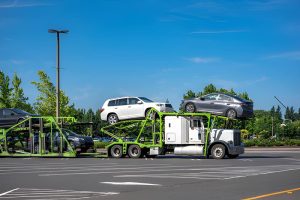
Vehicle shipping across the U.S. means moving a car, truck, SUV, motorcycle, RV, classic car, or specialty vehicle from one location to another using a professional auto transport carrier. This can include short regional moves, long-distance state-to-state shipping, cross-country transport, or shipments that involve ports for Alaska, Hawaii, or Puerto Rico.
Most customers use nationwide car shipping when driving the vehicle themselves is not practical. Long drives can add mileage, fuel costs, hotel stays, food expenses, lost time, and extra wear on the vehicle. Auto transport gives you a more convenient option when the vehicle needs to arrive safely without turning the move into a multi-day road trip.
Common reasons people ship vehicles include:
- Moving to another state for work, family, retirement, or lifestyle changes
- Buying a vehicle from an online marketplace or out-of-state dealer
- Sending a vehicle to college for a student
- Shipping a seasonal vehicle to Florida, Arizona, or another warm-weather location
- Moving military, corporate, or fleet vehicles
- Transporting classic, luxury, motorcycle, RV, or non-running vehicles
For standard cars, SUVs, and trucks, many customers choose open auto carrier transportation because it is widely available and cost-effective. For higher-value vehicles, enclosed shipping may be the better fit.
How Vehicle Shipping Across the U.S. Works
A good auto transport experience starts before the carrier arrives. The better the details are at the beginning, the smoother the shipment usually feels.
Here is the typical process:
- Request a quote: You provide the pickup location, delivery location, vehicle details, shipping date, and transport preference.
- Review the route: The route is checked based on distance, carrier availability, city access, timing, and destination type.
- Choose open or enclosed transport: Open transport is common for everyday vehicles. Enclosed transport is often preferred for luxury, classic, exotic, or collector vehicles.
- Schedule pickup: A carrier is assigned and pickup details are confirmed.
- Complete vehicle inspection: The driver documents the vehicle condition before loading.
- Vehicle is transported: The vehicle moves along the planned route with updates as needed.
- Delivery and final inspection: The vehicle is delivered and inspected again before the shipment is completed.
The goal is simple: make sure you know what is happening, what to expect, and what details matter before the vehicle is on the carrier.
What Makes One Auto Transport Route Different From Another?
This is where many basic car shipping articles fall short. They treat every route the same, but in real life, every route has its own conditions.
For example, a shipment between Los Angeles and Phoenix is not planned the same way as a shipment from rural Montana to South Florida. A car going to New York City may involve different pickup and delivery access than a vehicle going to a suburban location. A shipment to Puerto Rico, Alaska, or Hawaii may involve port coordination, added paperwork, or additional timing considerations.
Route planning may be affected by:
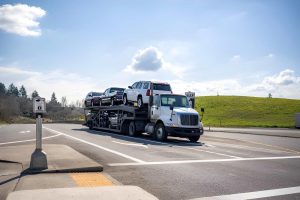
- Major highway access near the pickup and delivery location
- Carrier traffic in that region
- City restrictions, narrow streets, gated communities, or apartment complexes
- Seasonal shipping demand, especially snowbird routes
- Weather, mountain roads, coastal routes, and remote areas
- Port availability for Alaska, Hawaii, and Puerto Rico shipments
- Vehicle size, running condition, and transport type
This is why it helps to work with a company that understands route-specific planning, not just basic mileage. A shorter route in a low-carrier area can sometimes need more coordination than a longer route between two major metro areas.
How Much Does It Cost to Ship a Car Across the U.S.?
The cost to ship a car across the U.S. depends on more than distance. Mileage matters, but it is only one part of the final price.
The main cost factors include:
- Distance: Longer shipments usually cost more overall, but the cost per mile may be lower on long routes.
- Pickup and delivery location: Major cities and high-traffic routes often have better carrier availability than rural areas.
- Vehicle size and weight: Larger vehicles take more space on the carrier.
- Vehicle condition: Non-running vehicles may need special loading equipment.
- Transport method: Open transport is usually more affordable than enclosed transport.
- Season: Demand can increase during snowbird season, summer moving season, and holiday periods.
- Delivery speed: Flexible scheduling can help, while urgent transport may cost more.
A strong quote should not just give you a number. It should help you understand what is included, what type of carrier is being used, what pickup window is realistic, and how the route may affect timing.
Typical U.S. Vehicle Shipping Cost and Timeline Examples
Vehicle shipping costs and delivery times can change based on distance, route demand, pickup access, vehicle size, carrier availability, season, and transport method. The examples below give a general idea of how different route types compare before requesting a personalized quote.
| Route Type | Example Route | Estimated Cost | Estimated Transit Time |
| Regional Shipping | New York to Pennsylvania | $400 – $700 | 1 – 2 days |
| Mid-Distance Shipping | Texas to Arizona | $750 – $1,200 | 2 – 5 days |
| Long-Distance Shipping | Florida to New York | $900 – $1,400 | 3 – 6 days |
| Cross-Country Shipping | California to New York | $1,200 – $2,100 | 7 – 12 days |
| Port-Based Shipping | Mainland to Hawaii, Alaska, or Puerto Rico | Varies by port and route | Depends on port schedule |
These are general examples only. Your final price may change based on the exact pickup and delivery ZIP codes, vehicle condition, carrier type, seasonal demand, and how flexible your pickup window is.
Open vs Enclosed Auto Transport
Most everyday vehicles are shipped using open carriers. This is the same type of carrier commonly seen moving multiple vehicles on highways. It is practical, widely available, and usually the most budget-friendly option.
Enclosed transport gives the vehicle more protection from road debris, weather exposure, and outside elements. It is commonly used for classic cars, luxury vehicles, exotic cars, restored vehicles, collector vehicles, and high-value shipments.
You may want to consider enclosed vehicle shipping services if your vehicle has high financial, personal, or collector value. For restored, vintage, or collector vehicles, classic car shipping services may provide the added protection and care needed during transport.
A simple way to decide is this:
- Choose open transport if you want an affordable and common option for a standard vehicle.
- Choose enclosed transport if extra protection matters more than the lowest possible price.
What Are The Popular Vehicle Shipping Routes We Serve Across the U.S.
Direct Connect Auto Transport supports vehicle shipping across major state-to-state and long-distance routes. Some routes are common because of relocation patterns, seasonal travel, online car sales, college moves, and family transitions.
Popular route and state examples include:
- Florida car shipping for seasonal moves, snowbird transport, relocations, and coastal city deliveries.
- Texas car shipping services for major metro areas like Houston, Dallas, Austin, San Antonio, and Fort Worth.
- California car shipping for Los Angeles, San Diego, San Francisco, San Jose, Sacramento, and long-distance West Coast moves.
- New York car shipping services for New York City, Long Island, Buffalo, Albany, Rochester, and surrounding areas.
- Arizona car shipping for snowbird routes, desert-state relocations, and Phoenix-area transport.
- Illinois car shipping for Chicago, Joliet, Rockford, Naperville, Aurora, and other Midwest routes.
- North Carolina car shipping for Raleigh, Charlotte, Greensboro, Durham, and Winston-Salem.
Some destinations require more planning than standard mainland routes. If your shipment involves Puerto Rico car shipping, Alaska car shipping services, or Hawaii car shipping, it is important to understand port timing, vehicle preparation, and required delivery coordination before booking.
What Customers Should Confirm Before Booking Vehicle Shipping
Before you accept any auto transport quote, ask a few practical questions. These questions help you avoid confusion and make the process easier from the start.
- Is the quote based on open or enclosed transport?
- Is the pickup location easy for a large carrier to access?
- Will the vehicle be picked up from the exact address or a nearby safe meeting point?
- What is the expected pickup window?
- What is the estimated delivery timeline?
- What happens if the vehicle is not running?
- Who will be the main contact during pickup and delivery?
- Are there any route-specific details I should know?
These questions are especially useful for rural areas, gated communities, dense cities, college campuses, military locations, and port-connected shipments.
How Long Does U.S. Vehicle Shipping Take?
Vehicle shipping timelines depend on the route, distance, carrier availability, weather, and delivery location. A shipment between two major cities may move faster than a shipment involving a remote pickup or hard-to-access delivery point.
Here is a general way to think about timelines:
- Regional shipping: Nearby states or shorter routes. Timing can depend on carrier availability and pickup access.
- State-to-state shipping: One state to another. Timing can depend on distance, route traffic, and schedule flexibility.
- Cross-country shipping: East Coast to West Coast or similar. Timing can depend on long-haul carrier movement and seasonal demand.
- Remote or port-based shipping: Alaska, Hawaii, Puerto Rico, or rural regions. Timing can depend on port schedules, transfer points, and location access.
- The best approach is to plan early, keep your pickup and delivery details accurate, and allow some scheduling flexibility whenever possible.
Vehicle Shipping for Different Customer Needs
Not every customer ships a vehicle for the same reason. That is why the shipping plan should match the situation.
For students, student car shipping can be helpful when sending a vehicle to college or bringing it home during a move. For businesses, corporate car shipping can support employee relocations, company vehicles, and fleet movement.
Direct Connect Auto Transport also helps with specialty vehicle needs, including motorcycle shipping and RV shipping services. These shipments may require different carrier equipment and planning than a standard car or SUV.
The more specific the vehicle and route details are, the better the shipping plan can be.
More Vehicle Shipping Services to Review
Different vehicles and customer situations may need different shipping options. These guides can help you choose the right transport method before booking.
- Open auto carrier transportation for standard cars, SUVs, trucks, and everyday vehicles.
- Enclosed auto transport carriers for luxury, classic, exotic, and high-value vehicles.
- Classic car shipping services for vintage, collector, restored, and specialty vehicles.
- Motorcycle shipping for bikes that need safe loading, secure handling, and careful transport.
- RV shipping services for motorhomes, campers, trailers, and recreational vehicles.
- Auto transportation FAQs for common questions about timelines, costs, insurance, and pickup preparation.
How to Prepare Your Vehicle Before Pickup
A little preparation can prevent delays and make pickup smoother.
- Before the carrier arrives, follow this checklist:
- Remove personal items from the vehicle.
- Take clear photos of the vehicle from all sides.
- Check for existing dents, scratches, or visible damage.
- Keep the fuel level low, usually around a quarter tank.
- Remove or disable toll tags if needed.
- Secure loose parts, spoilers, racks, or accessories.
- Make sure the vehicle can be accessed at pickup.
- Confirm the pickup and delivery contact information.
- Have keys available for the driver.
If your vehicle is not running, mention that before booking. Non-running vehicles may require a winch or special loading support, and that can affect both pricing and carrier assignment.
Why Choose Direct Connect Auto Transport?
Direct Connect Auto Transport helps customers move vehicles across the U.S. with a process built around communication, route planning, and practical guidance. Instead of treating every shipment the same, we look at where the vehicle is going, what type of vehicle is being shipped, how soon it needs to move, and what transport method makes the most sense.
Customers choose Direct Connect Auto Transport for:
- Nationwide vehicle shipping support
- Open and enclosed transport options
- State-to-state and long-distance route planning
- Support for standard, classic, motorcycle, RV, student, and corporate vehicle shipping
- Clear quote guidance before booking
- Helpful communication from pickup to delivery
If you are not sure which transport option is right for your vehicle, our team can help you compare the route, budget, timeline, and level of protection needed.
For more details about common shipping questions, visit our auto transportation FAQs page.
FAQs About Vehicle Shipping Across the U.S.
Is it better to drive or ship my car across the U.S.?
It depends on your budget, schedule, distance, and vehicle condition. Driving may seem cheaper at first, but fuel, hotels, meals, time off work, mileage, and vehicle wear can add up. Shipping is often more convenient when the distance is long or the move is already stressful.
What is the most common way to ship a car?
Open auto transport is the most common method for standard vehicles. It is widely available and usually more affordable than enclosed transport.
When should I choose enclosed vehicle shipping?
Enclosed shipping is best for luxury cars, classic cars, exotic vehicles, collector vehicles, and any vehicle where added protection is important.
Can I ship a car to Alaska, Hawaii, or Puerto Rico?
Yes, but these shipments usually require more planning because they may involve ports, specific documentation, and different scheduling expectations.
Do I need to be present for pickup and delivery?
You or an authorized contact should be available for pickup and delivery. The driver will need access to the vehicle, keys, and inspection confirmation.
How early should I schedule vehicle shipping?
It is better to schedule as early as possible, especially during busy seasons. Flexible scheduling can help with carrier availability and route planning.
Get a Free Vehicle Shipping Quote
Shipping your car doesn’t have to be a stressful experience. With Direct Connect Auto Transport, we make auto transportation seamless, reliable, and efficient. Whether you’re relocating, buying a vehicle out of state, or heading on a long-term trip, our services cover every corner of the U.S. and beyond. Let’s explore how we cater to your needs.
For customers in the Midwest, explore our Missouri auto transport, Illinois car shipping, and Minnesota auto transport options. Heading south? Our Arkansas and Louisiana car shipping services cater to vehicles traveling through the heart of the South.
The East Coast also has plenty of support with our Kentucky auto shipping, New Jersey auto shipping, and Maryland auto shipping services.