



Why Seattle Residents Are Trading Rain for Arizona Sunshine
The Seattle to Phoenix corridor represents one of the Pacific Northwest's most dramatic migration patterns, with an estimated 15,000+ households annually making the transition from Washington's notoriously gray, rainy climate to Arizona's desert sunshine. As a veteran-owned company with 24 years of specialized experience, Direct Connect Auto Transport has witnessed this route's 40% growth since 2020, driven by remote work flexibility, retirement lifestyle choices, and the undeniable appeal of 300+ annual sunny days.
Migration drivers creating explosive growth:
- Climate escape: 300+ Phoenix sunny days vs Seattle's 152 days, swap rain for warmth
- Tech sector migration: Phoenix's growing tech hub (120,000+ workers) attracts Seattle professionals
- Retirement appeal: Arizona's tax-friendly policies and warm winters perfect for snowbirds
- Cost arbitrage: Phoenix median home $445K vs Seattle's $825K (massive savings)
- No state income tax: Save 7-10.75% annually versus Washington's high sales taxes
- Remote work revolution: Keep Seattle salaries, enjoy Phoenix lifestyle and lower costs
Route characteristics:
- Distance: 1,400 miles via I-5 South → I-10 East
- Transit time: 3-5 days (excellent interstate connectivity)
- Carrier availability: High volume route with daily departures
- Seasonal patterns: Strong winter surge (November-March snowbirds)
- Service options: Open, enclosed, expedited, terminal, door-to-door
Military connection: This corridor serves military families relocating between Joint Base Lewis-McChord (JBLM) near Tacoma and Luke Air Force Base in Glendale, Arizona. Active duty military receive 10-15% discounts with valid PCS orders. With Direct Connect's military heritage as a veteran-owned company, we understand the unique timing pressures and base access coordination required for military relocations.
The Seattle Climate Reality Driving Mass Exodus
Seattle's reputation for rain and gray skies isn't exaggerated—it's a daily reality that drives thousands of residents southward annually.
Seattle's challenging climate:
- 152 sunny days annually (among nation's lowest)
- 150+ rainy days per year (constant drizzle October-May)
- Gray, overcast skies dominate 8-9 months annually
- Mild but depressing winters (35-45°F, perpetually dark)
- Short summer (July-August only reliable sunshine)
- Seasonal Affective Disorder epidemic (vitamin D deficiency common)
Phoenix's transformative climate:
- 300+ sunny days annually (nation's highest with Las Vegas)
- 8 inches annual rainfall (mostly summer monsoons)
- Warm, dry winters (55-75°F perfect weather November-March)
- Year-round outdoor activities (hiking, biking, golf daily)
- Extremely hot summers (105-115°F June-August requires adaptation)
The quality of life calculation: Most Seattle-to-Phoenix relocators find trading 3 months of extreme heat for 9 months of gray, rainy weather an easy decision. Phoenix's consistent sunshine dramatically improves mood, energy levels, and overall mental health compared to Seattle's depressing winters.
Health impacts documented:
- Reduced Seasonal Affective Disorder (SAD) rates
- Increased vitamin D levels (natural sunshine vs Seattle's deficiency)
- Arthritis relief from dry heat (major retiree motivator)
- More consistent exercise habits (outdoor activity accessible year-round)
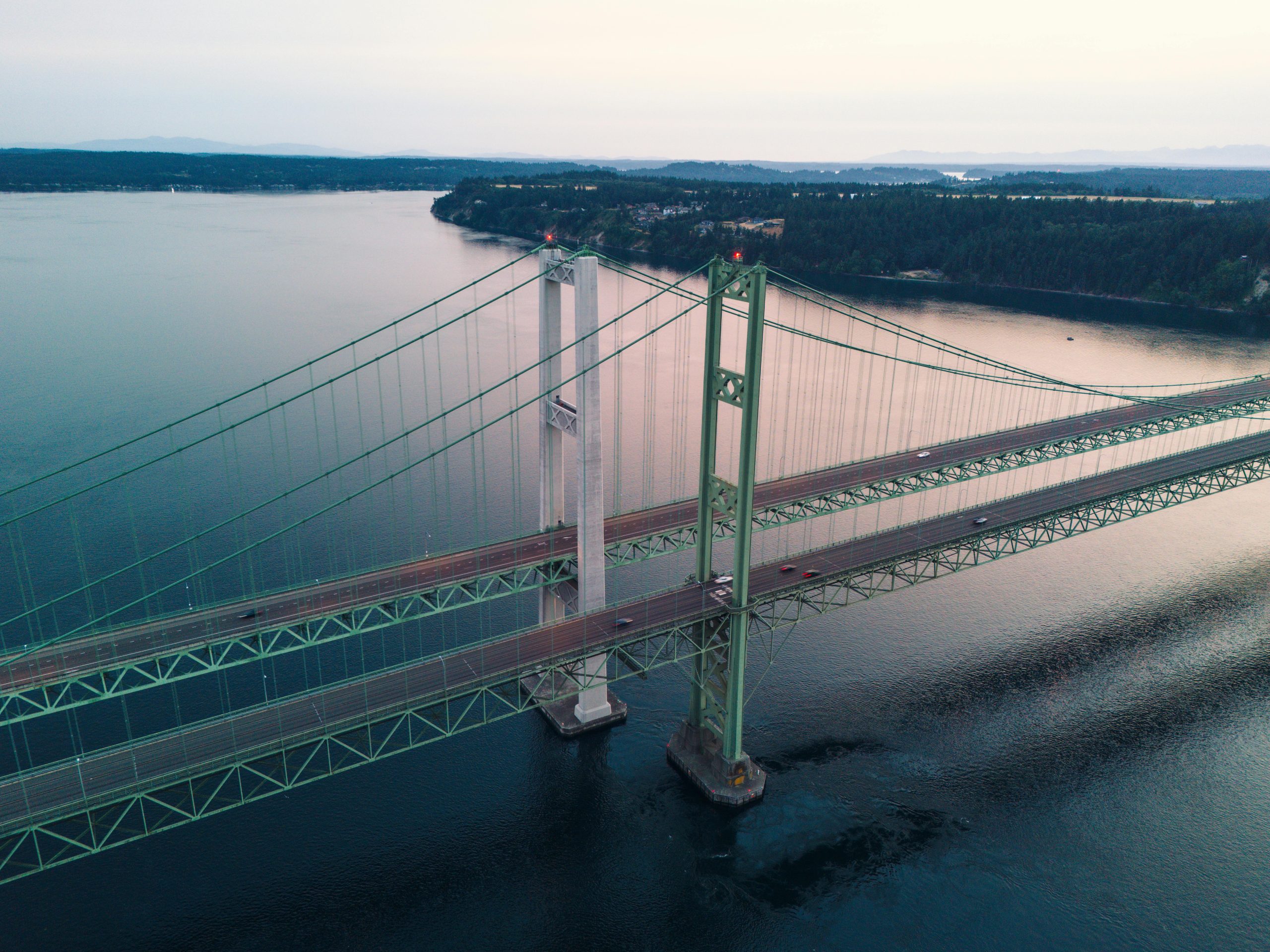
Tech Worker Migration: Seattle's Saturation to Phoenix's Opportunity
Phoenix's emerging tech sector attracts Seattle professionals seeking career growth, affordable housing, and quality of life improvement simultaneously.
Seattle tech market challenges:
- Saturated competition (Microsoft, Amazon, Google headquarters)
- Median tech salary: $145,000 (high but housing costs extreme)
- Median home price: $825,000 (unaffordable for most)
- Traffic congestion severe (I-5 parking lot during commutes)
- High cost of living erodes salary advantages
Phoenix tech sector advantages:
- Rapidly growing market: 120,000+ tech workers (30% growth since 2020)
- Major employers: Intel, TSMC, GoDaddy, Infosys, Salesforce, PayPal
- Median tech salary: $105,000 (lower but housing dramatically cheaper)
- Median home price: $445,000 (accessible, $380K savings vs Seattle)
- Excellent quality of life with sunshine and outdoor recreation
Career progression comparison:
|
Role Level |
Seattle Average |
Phoenix Average |
Housing Offset |
|
Entry-Level Tech |
$115,000 |
$85,000 |
Phoenix home $380K cheaper |
|
Mid-Level Developer |
$145,000 |
$105,000 |
Net ahead financially in Phoenix |
|
Senior Engineer |
$175,000 |
$130,000 |
Better lifestyle value Phoenix |
|
Tech Lead/Principal |
$210,000 |
$155,000 |
Remote option keeps Seattle salary |
The remote work strategy: Many Seattle tech workers negotiate permanent remote arrangements, then relocate to Phoenix to capture Seattle salaries ($145K+) while living in Phoenix's lower-cost environment ($445K homes). This geographic arbitrage creates substantial wealth-building advantages.
Housing and Financial Analysis: The Compelling Case
Understanding total financial impact reveals why this migration pattern has exploded.
Housing comparison (2025 data):
| Housing Type | Seattle | Phoenix | Annual Savings |
| Median Home | $825,000 | $445,000 | $380K cheaper |
| 1BR Rent | $2,150 | $1,450 | $8,400/year |
| 2BR Rent | $2,800 | $1,800 | $12,000/year |
Tax considerations:
- Washington: No state income tax but 10.4% sales tax (among nation's highest)
- Arizona: 2.5% income tax but 5.6% base sales tax (8-9% with local)
- Property taxes: Similar (Washington 0.84%, Arizona 0.51%)
- On $100K income: Arizona's low income tax offset by Washington's high sales tax (roughly equal)
Monthly living expenses:
| Category | Seattle | Phoenix | Difference |
| Housing (1BR) | $2,150 | $1,450 | -$700 Phoenix |
| Groceries | $450 | $390 | -$60 Phoenix |
| Transportation | $185 | $170 | -$15 Phoenix |
| Utilities | $175 | $220 | +$45 Phoenix (A/C) |
| Total | $2,960 | $2,230 | -$730/month |
Annual financial outcome: Phoenix saves $8,760 annually in living expenses. For remote workers maintaining Seattle salaries, this creates an immediate wealth-building opportunity. For Phoenix-salary workers, the lower cost of living provides a comparable or better quality of life despite lower absolute earnings.
QUICK FINANCIAL DECISION FRAMEWORK:
Move to Phoenix if you:
- Can work remotely and keep Seattle salary
- Prioritize homeownership ($380K savings on median home)
- Value sunshine and outdoor lifestyle over Seattle's culture
- Are retiring and seeking a tax-friendly, warm climate
- Want faster housing equity building and wealth accumulation
Reconsider if you:
- Require Seattle's specific tech ecosystem for a career
- Cannot tolerate 105-115°F summers (June-August)
- Deeply value Pacific Northwest forests, water, mountains
- Need Seattle's public transit (Phoenix is very car-dependent)
- Prioritize cultural amenities (Seattle's arts/music scene is superior)
Seattle to Phoenix Car Shipping Costs and Seasonal Strategy
Understanding costs and seasonal timing helps you maximize savings on this 1,400-mile journey.
2025 Pricing Breakdown
|
Vehicle Type |
Open Transport |
Enclosed Transport |
Snowbird Peak Premium |
|
Sedan/Compact |
$975-$1,150 |
$1,500-$1,800 |
+15-20% (Nov-Mar) |
|
SUV/Truck |
$1,100-$1,250 |
$1,700-$2,000 |
+15-20% (Nov-Mar) |
|
Luxury/Classic |
$1,200-$1,300 |
$1,900-$2,100 |
+20-25% (Nov-Mar) |
These estimates reflect industry averages of $0.70-$0.95 per mile for the well-traveled 1,400-mile Seattle to Phoenix corridor. Unlike large corporate carriers like Montway or SGT, Direct Connect's founder, John Costelac, personally oversees pricing to ensure competitive rates without sacrificing the personalized service that comes from 24 years of specialized experience.
Seasonal pricing calendar:
Peak snowbird season (November-March):
- The highest demand period, as retirees escape Seattle's rain
- Prices increase 15-20% above baseline
- Book 3-4 weeks advance (earlier for enclosed transport)
- Carrier capacity is tightest during holiday periods (Thanksgiving, Christmas)
Spring transition (April-May):
- Moderate demand as final snowbirds head south
- Prices 5-10% above baseline
- Good availability, book 2-3 weeks ahead
Summer optimal pricing (June-August):
- Best rates (baseline or 5-10% below)
- Excellent carrier availability
- Phoenix heat (105-115°F) deters some shippers but doesn't affect transport quality
- Ideal booking window: 1-2 weeks advance
Fall shoulder season (September-October):
- Pre-snowbird lull offers excellent pricing
- Standard rates with good availability
- Book 2 weeks ahead
Route and Transit Logistics
The Seattle to Phoenix route benefits from America's most efficient West Coast interstate system.
Primary shipping route:
- I-5 South from Seattle through Washington, Oregon, California
- I-10 East from Los Angeles area through Arizona to Phoenix
- Alternative routing via I-84 East (less common, weather-dependent)
- Major waypoints: Portland, Sacramento, Los Angeles, Palm Springs
Route advantages:
- Well-maintained interstate corridors entire journey
- High carrier traffic (daily departures standard)
- Excellent truck stop infrastructure
- Minimal weather complications year-round
- No mountain pass challenges (unlike I-90 East routes)
Expected Timeline
|
Phase |
Duration |
Details |
|
Booking to Assignment |
1-2 days |
High-volume route, fast carrier matching |
|
Pickup Window |
1 day |
Seattle Metro has excellent accessibility |
|
In-Transit Time |
3-5 days |
Direct interstate routing |
|
Total Process |
5-8 days |
Booking through Phoenix delivery |
Transit factors: Summer shipping typically achieves 3-4 day transit with optimal conditions. Winter may extend to 4-5 days due to Oregon/Northern California rain, but rarely causes significant delays. This route's efficiency makes it one of the most reliable West Coast corridors.
Vehicle Preparation: Rainy Seattle to Desert Phoenix
Preparing for the climate transition from Pacific Northwest moisture to the Arizona desert protects your vehicle long-term.
Standard preparation checklist:
- Clean thoroughly inside and out (document condition)
- Take dated photos from all angles (10+ photos)
- Remove all personal items
- Check fluid levels, tire pressure, and battery health
- Fuel at 1/4 tank or less
- Disable alarms, remove toll tags (Good To Go pass)
- Document existing damage on the Bill of Lading
Climate transition considerations:
Seattle moisture to Phoenix dryness:
- Clean any mold/mildew from Seattle's humid environment
- Check weather stripping and rubber seals (desert dryness cracks materials)
- Interior leather/vinyl conditioning recommended
- Windshield wiper replacement (Arizona dust degrades quickly)
Phoenix arrival preparation:
- Immediate A/C system check essential (survival requirement June-August)
- Cooling system inspection within the first week
- Tire pressure adjustment (heat affects inflation significantly)
- Dashboard sun protection (covers, window tinting highly recommended)
- Paint protection consideration (intense UV exposure at desert altitude)
Required documentation:
- Valid government ID
- Vehicle registration
- Proof of ownership or lienholder authorization
- Auto insurance information
- Military PCS orders (if applicable for discount)
Seattle and Phoenix Logistics Coordination
Seattle
Pickup areas:
- Downtown Seattle (urban core, waterfront access)
- Capitol Hill/First Hill (residential neighborhoods)
- Bellevue/Eastside (tech worker suburbs)
- Tacoma area (Joint Base Lewis-McChord proximity for military)
- Everett/North Seattle (Boeing employment corridor)
Considerations:
- I-5 traffic congestion (schedule pickups outside rush hours 7-9 am, 4-7 pm)
- Rain delays are rare, but coordination may take longer
- Hilly terrain in some neighborhoods (carrier access planning)
Phoenix
Delivery areas:
- Downtown Phoenix (urban professionals)
- Scottsdale (upscale, retiree communities)
- Tempe (Arizona State University area, tech workers)
- Glendale/Peoria (West Valley, Luke Air Force Base proximity)
- Gilbert/Chandler (East Valley tech corridor, family suburbs)
Considerations:
- Sprawling metro (largest US city by land area)
- Gated communities are prevalent (advanced authorization required)
- Summer heat scheduling (early morning deliveries preferred June-August)
- I-10 traffic congestion during rush hours
Open vs Enclosed Transport Decision
Open Transport ($975-$1,300)
Best for:
- Standard vehicles and daily drivers
- Budget-conscious relocations
- Vehicles valued under $35,000
- Tech workers on company relocation budgets
- Military PCS moves maximizing allowances
Advantages:
- Most cost-effective (40% less than enclosed)
- Excellent carrier availability on high-volume route
- Adequate protection for a 3-5 day interstate transit
- I-5 and I-10 well-maintained, minimize exposure
Considerations:
- Weather exposure (Oregon/California rain, Arizona heat/dust)
- Road debris potential across 1,400 miles
- Summer Phoenix heat during delivery (cosmetic only)
Enclosed Transport ($1,500-$2,100)
Best for:
- Luxury vehicles and high-end EVs (Tesla Model S/X, premium brands)
- Classic or collector cars
- Pristine-condition vehicles where appearance critical
- Vehicles valued $50,000+
- Retirees shipping luxury retirement vehicles
Advantages:
- Complete weather and debris protection
- Climate-controlled options prevent temperature extremes
- Higher insurance coverage limits
- Peace of mind for valuable vehicles
Considerations:
- 50-65% premium over open transport
- Limited availability during snowbird peak (book 4+ weeks ahead)
- Usually requires door-to-door service
TRANSPORT TYPE DECISION FRAMEWORK:
Choose Open Transport if:
- Vehicle valued under $35,000
- Budget is a priority consideration
- Standard sedan, SUV, or truck
- Vehicle used for daily driving (not shown in condition)
- Maximizing relocation budget for other moving costs
Choose Enclosed Transport if:
- Luxury vehicle ($50,000+ value)
- Classic/collector car requiring protection
- Pristine show condition must be maintained
- High-end EV with sensitive electronics
- Budget allows $500-800 premium for peace of mind
Why Choose Direct Connect Auto Transport
As a veteran-owned company with 24 years of specialized experience, Direct Connect Auto Transport brings personal attention and authentic expertise that large corporate carriers like Montway and SGT cannot match. Founder John Costelac personally oversees operations, ensuring every Seattle to Phoenix relocation receives the care and communication your valuable vehicle deserves.
Our Seattle-Phoenix corridor expertise:
- Daily carrier departures on this high-volume route
- Military family support (JBLM to Luke AFB relocations)
- Tech worker relocation coordination (flexible timing around job starts)
- Snowbird annual shipping programs (loyalty discounts for repeat customers)
- Both open and enclosed options with transparent pricing
- Real-time GPS tracking throughout I-5/I-10 journey
- A+ BBB rating (versus competitors' B ratings)
- 99.6% damage-free delivery rate
What sets us apart from corporate competitors:
Unlike Montway's automated booking system or SGT's rotating sales teams, you'll work directly with experienced specialists who understand Pacific Northwest to Southwest relocations. Our military heritage means we respect commitments, communicate clearly, and treat every vehicle transport with the attention we'd want for our own families' relocations.
Client feedback consistently highlights:
- Personal communication throughout process
- Transparent pricing without hidden fees
- Reliable delivery windows (not vague "5-7 day" estimates)
- Post-delivery follow-up ensuring satisfaction
- Real problem-solving when challenges arise
Ready to Trade Seattle Rain for Arizona Sunshine?
Whether you're a tech worker seeking Phoenix's growing market, a retiree escaping gray winters for desert warmth, or military personnel transferring between bases, Direct Connect makes your Seattle to Phoenix vehicle transport seamless and stress-free.
Get your free Seattle to Phoenix car shipping quote now
Relevant resources: Washington car shipping | Arizona car shipping
Frequently Asked Questions About Seattle to Phoenix Car Shipping
How much does Seattle to Phoenix car shipping cost?
Seattle to Phoenix car shipping costs $975-$1,300 for open transport and $1,500-$2,100 for enclosed transport across 1,400 miles. Peak snowbird season (November-March) adds 15-20% to base rates due to high demand from retirees escaping Seattle's gray winters. Book 2-3 weeks ahead during summer for best pricing.
How long does it take to ship a car from Seattle to Phoenix?
Standard shipping takes 3-5 days in transit via I-5 South and I-10 East corridors. Complete process spans 5-8 days from booking to Phoenix delivery. Summer typically achieves 3-4 day transit, while winter may extend to 4-5 days due to Oregon/Northern California rain. This route's efficiency makes it one of the most reliable West Coast corridors.
Should I move from Seattle to Phoenix?
Phoenix offers 300+ sunny days (vs Seattle's 152), median home $380K cheaper ($445K vs $825K), no state income tax vs Washington's 10.4% sales tax, and growing tech sector (120,000+ workers). Trade-offs include extreme summer heat (105-115°F June-August) and car-dependent lifestyle. Best for remote workers keeping Seattle salaries, retirees seeking warm winters, or professionals prioritizing homeownership affordability.
When is the best time to ship from Seattle to Phoenix?
Summer (June-August) offers best rates (baseline or 5-10% below) with excellent carrier availability despite Phoenix heat. Avoid peak snowbird season (November-March) when prices surge 15-20% and availability tightens. Spring (April-May) and fall (September-October) provide moderate pricing with good availability. Book 1-2 weeks ahead in summer, 3-4 weeks during peak season.
Do military families get discounts for Seattle to Phoenix moves?
Yes. Active duty military transferring between Joint Base Lewis-McChord and Luke Air Force Base receive 10-15% discounts with valid PCS orders. As a veteran-owned company, Direct Connect understands military relocation timing pressures and base access coordination requirements. Many JBLM families use this route for permanent change of station moves.
How does Phoenix summer heat affect car shipping?
Phoenix summer heat (105-115°F June-August) doesn't damage vehicles during shipping—modern cars are designed for extreme temperatures. However, an immediate A/C system check is recommended upon arrival, and dashboard sun protection (covers, window tinting) is essential for long-term Phoenix ownership. Summer shipping offers the best rates despite the heat.
Should I use open or enclosed transport for Seattle to Phoenix?
Open transport works excellently for standard vehicles under $35,000 and saves $500-800 versus enclosed. The I-5/I-10 route is well-maintained with minimal weather risk. Choose enclosed for luxury vehicles ($50,000+), classic cars, or pristine-condition vehicles where appearance is critical. 85% of Seattle-Phoenix relocations successfully use open transport.