


Table of Contents
|
The Growing Need for Specialized Electric Vehicle Transport
Hybrid electric car transport is a specialized auto shipping service designed to meet the unique requirements of electric and hybrid vehicle owners during relocations or purchases. Unlike conventional car shipping, EV transport requires carriers with specific knowledge of battery systems, electrical components, and temperature-sensitive technology.
This service addresses the complex logistics faced by hybrid and electric vehicle owners, including proper battery preparation, climate considerations, and specialized handling procedures. Whether you’re shipping a compact hybrid like the Toyota Prius or a luxury electric vehicle like a Tesla Model S, professional EV transport ensures your investment receives the specialized care it deserves.
The growing demand for electric vehicle shipping has led to enhanced carrier training, specialized equipment, and tailored insurance coverage specifically designed for the unique challenges of transporting battery-powered vehicles.
Types of Electric and Hybrid Vehicles: Shipping Considerations
Not all electric vehicles are built the same. From traditional hybrids to high-performance BEVs, understanding the differences is key to selecting the right transport solution for your specific model. It helps determine the specific preparation and transport requirements for your shipment:
Traditional Hybrids
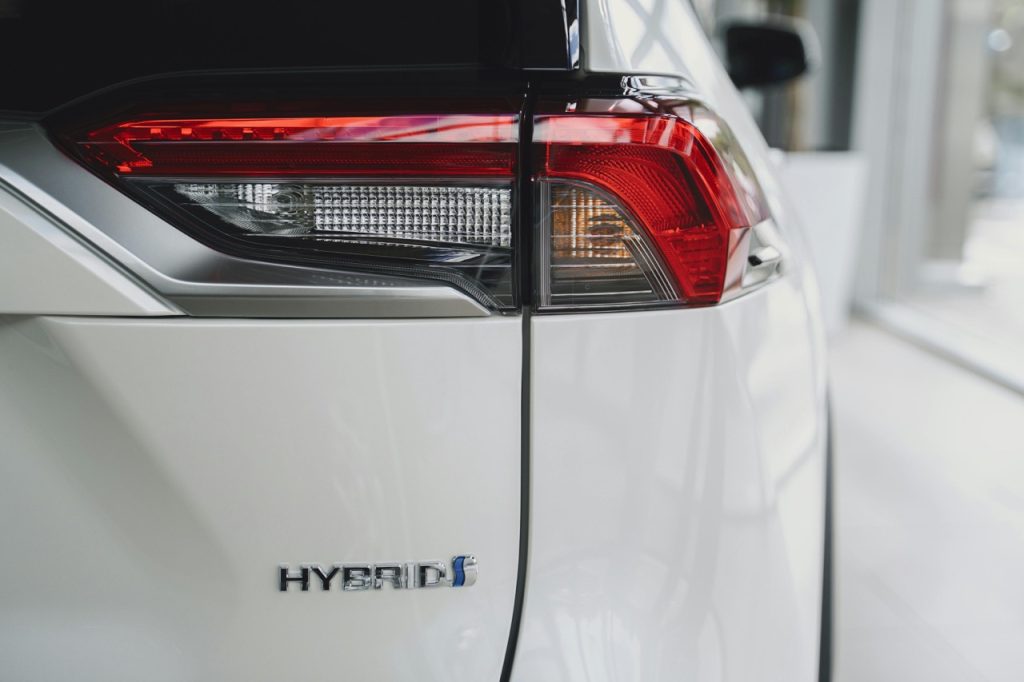
- Examples: Toyota Prius, Honda Insight, Hyundai Sonata Hybrid
- Battery Type: Nickel-metal hydride (NiMH) or small lithium-ion
- Shipping Notes: Standard hybrid preparation, moderate temperature sensitivity
Plug-in Hybrid Electric Vehicles (PHEVs)
- Examples: Toyota Prius Prime, Honda Clarity, BMW i3 with range extender
- Battery Type: Larger lithium-ion batteries with external charging capability
- Shipping Notes: Requires charging cable management and extended battery preparation
Battery Electric Vehicles (BEVs)
- Examples: Tesla Model S/3/X/Y, Nissan LEAF, BMW i4, Ford Mustang Mach-E
- Battery Type: Large lithium-ion battery packs
- Shipping Notes: Most temperature-sensitive, may require climate-controlled transport
Luxury Electric Vehicles
- Examples: Porsche Taycan, Audi e-tron, Mercedes EQS, Lucid Air
- Special Considerations: High-value vehicles typically require enclosed transport and enhanced insurance coverage
How to Transport a Hybrid Car: Essential Preparation Steps
A smooth shipment begins with thorough preparation. Hence, it’s essential to learn how to ship a car and get your hybrid vehicle ready, from battery management to documenting its condition, to avoid delays and complications. Follow this comprehensive checklist to ensure your vehicle is shipment-ready:
Battery System Preparation
Optimal Charge Level:
- Maintain battery charge between 50-80% for transport
- Avoid completely draining or fully charging before shipment
- Document current charge level with photos
System Checks:
- Test all electrical systems and hybrid functionality
- Verify that the vehicle starts and operates in all modes
- Check for any error codes or warning lights
Physical Vehicle Preparation
Cleaning and Inspection:
- Wash your vehicle thoroughly inside and out
- Take detailed photos of existing damage or wear
- Document current mileage and fuel levels
Personal Items and Accessories:
- Remove all personal belongings (most carriers prohibit personal items)
- Secure or remove aftermarket accessories (bike racks, spoilers)
- Disable car alarms and anti-theft systems
Fluids and Maintenance:
- Maintain approximately 1/4 tank of gasoline (for hybrids with gas engines)
- Check tire pressure and fluid levels
- Ensure all lights and signals function properly
Can You Ship a Plug-in Hybrid? Special Requirements
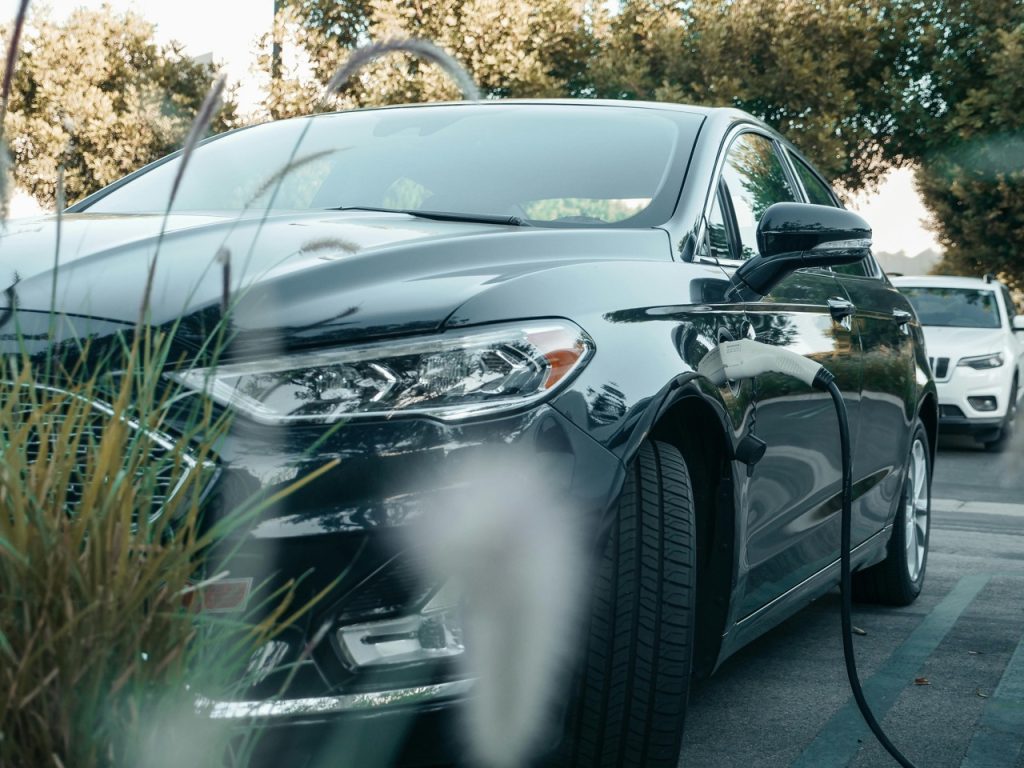
Absolutely! Plug-in hybrid electric vehicles require slightly different preparation than standard hybrids due to their larger battery systems and external charging capabilities. Here’s a comprehensive plug-in hybrid car preparation checklist:
Charging System Management:
- Remove or secure charging cables you want to keep with the vehicle
- Ensure charging ports are properly closed and sealed
- Test charging functionality before shipment
Documentation Requirements:
- Vehicle registration and current insurance information
- Photos documenting vehicle condition and charge level
- Any warranty information for battery systems
Battery-Specific Considerations:
- Larger battery packs are more temperature-sensitive
- May require climate-controlled transport for extreme weather
- Consider enclosed transport for maximum protection
Open Car Transport vs. Enclosed Car Transport for Electric Vehicles
Choosing the right transport method depends on your vehicle value, weather conditions, and budget considerations. Compare the benefits and drawbacks of open car transport vs. enclosed shipping to decide which fits your EV best.
Open Car Transport |
Enclosed Car Transport |
|
Best For:
Advantages:
Considerations:
|
Best For:
Advantages:
Investment Consideration:
|

Hybrid Car Shipping Tips: Expert Recommendations
Insider advice can make all the difference. These expert tips help you avoid common mistakes, save money, and ensure your hybrid or electric car arrives safely and on time. Follow the tips below for a seamless and secure EV shipping experience:
Choose Carriers with EV Experience
Questions to Ask:
- How many electric/hybrid vehicles do you ship monthly?
- Do your drivers receive specialized EV training?
- Can you provide references from other hybrid owners?
Timing Strategies
Best Shipping Seasons:
- Spring & Fall: Moderate temperatures, optimal battery conditions
- Off-Peak Months: Lower demand means better pricing and availability
Avoid Peak Times:
- Summer months (high demand, extreme temperatures)
- Holiday periods (limited availability)
- Major snowbird migration seasons
Insurance and Protection
Essential Coverage:
- Verify carrier insurance limits (minimum $100,000 recommended)
- Consider gap coverage for high-value vehicles
- Document pre-existing conditions thoroughly
Shipping a Prius and Other Popular Hybrid Models
Toyota Prius and other popular hybrids have unique transport needs. Before you book shipping, explore the common practices and considerations for safely shipping these frequently transported hybrid models.
Toyota Prius (All Generations)
Shipping Characteristics:
- Most commonly shipped hybrid vehicle
- Reliable transport record with standard preparation
- Average shipping costs align with comparable sedans
- Prius Prime: Requires plug-in hybrid preparation procedures
Special Considerations:
- Earlier generations may have different battery sensitivities
- Document any aftermarket modifications or accessories
Honda Insight and Accord Hybrid
Transport Notes:
- Follow standard hybrid preparation
- Newer models with Honda Sensing require careful handling
- Generally compatible with both open and enclosed transport
Luxury Hybrid Models
Lexus Hybrid Vehicles:
- Consider enclosed transport for premium protection
- Higher insurance coverage recommended
- Document luxury features and technology packages
BMW and Mercedes Hybrids:
- May require specialized carriers familiar with European luxury vehicles
- Advanced driver assistance systems need careful handling
- Enclosed transport typically recommended
Cost of Shipping an Electric Vehicle: What to Expect
EV shipping costs vary based on distance, vehicle type, and season. Price breakdown helps you budget confidently and understand why hybrid car transport pricing differs from standard auto shipping. Understanding pricing factors helps you budget effectively and compare quotes accurately.
Distance-Based Pricing
Regional Shipping (Under 500 miles):
- Open transport: $500-$800
- Enclosed transport: $750-$1,200
Cross-Country Shipping:
- Open transport: $1,200-$1,800
- Enclosed transport: $1,800-$2,800
Vehicle-Specific Factors
Size and Weight:
- Compact hybrids: Standard pricing
- Electric SUVs: May incur oversized vehicle fees (10-15% premium)
- Luxury vehicles: Often require enclosed transport premium
Special Requirements:
- Climate-controlled transport: Additional 15-25%
- Expedited shipping: 25-50% premium
- Remote locations: Additional fees may apply
Seasonal Pricing Variations
| Season | Open Transport | Enclosed Transport | Availability |
| Winter | Lower rates | Standard pricing | Good availability |
| Spring | Moderate rates | Moderate pricing | Best availability |
| Summer | Peak rates (+20%) | Peak pricing (+25%) | Limited availability |
| Fall | Moderate rates | Moderate pricing | Good availability |
Required Documents and Preparation Checklist
Proper documentation is just as important as prepping your vehicle. Make a checklist to ensure you have everything in order, from registration and insurance to photo documentation, before your EV hits the road.
Essential Documentation
Vehicle Ownership:
- Current vehicle registration
- Proof of insurance (active coverage required)
- Title or lien holder information
Personal Identification:
- Government-issued photo ID
- Power of attorney (if someone else handles delivery)
Pre-Shipment Vehicle Checklist
Exterior Preparation:
- Vehicle washed and cleaned
- Pre-existing damage photographed
- License plates secure
- Antenna and accessories secured
Interior Preparation:
- All personal items removed
- Spare keys provided
- Alarm systems disabled
- Climate control set to moderate temperature
Mechanical Preparation:
- Battery charged to 50-80%
- Fuel tank at 1/4 level (for hybrids)
- Tire pressure checked
- All systems tested and functional
Optimal Booking Timeline for Your EV Shipment
The right timing can save you money and stress. Here are the best times of year to ship your electric vehicle and how seasonality affects rates, availability, and transit conditions.
Peak Season (May-September):
- Book 3-4 weeks in advance
- Expect higher rates and limited availability
- Consider flexible pickup/delivery dates
Off-Peak Season (October-April):
- Book 2-3 weeks in advance
- Better pricing and availability
- More carrier options
Weather Considerations
Temperature Extremes:
- Avoid shipping during extreme heat waves or cold snaps
- Consider enclosed transport for temperature-sensitive luxury EVs
- Plan for potential delays during severe weather
Seasonal Migration Patterns:
- Avoid snowbird migration seasons (October-November, March-April)
- Plan around college semester starts and military PCS seasons
Choosing the Right Auto Shipping Company for Your Hybrid

Not all carriers are equipped to handle electric vehicles. Learn how to evaluate auto transport companies based on experience, credentials, insurance coverage, and EV handling protocols.
Essential Qualifications
Licensing and Insurance:
- Valid USDOT and MC numbers
- Minimum $100,000 cargo insurance
- BBB accreditation and positive reviews
EV-Specific Experience:
- Documented experience with hybrid/electric vehicles
- Specialized training for battery-powered vehicles
- References from other EV owners
Red Flags to Avoid
Pricing Concerns:
- Quotes significantly below market rates
- Demands for large upfront deposits
- Hidden fees or unclear pricing structures
Service Issues:
- Poor communication or delayed responses
- Lack of proper licensing documentation
- No experience with electric vehicles
Questions to Ask Potential Carriers
|
How Direct Connect Auto Transport Serves EV Owners
At Direct Connect Auto Transport, we understand that your hybrid or electric vehicle represents both a significant investment and a commitment to environmental responsibility. Our specialized EV transport services are designed to protect your investment while supporting your lifestyle needs.
Our EV-Specific Services
Specialized Training:
- All drivers receive electric vehicle handling training
- Battery system awareness and safety protocols
- Temperature management procedures
Transport Options:
- Open transport for standard hybrids
- Enclosed, climate-controlled transport for luxury EVs
- Expedited shipping for time-sensitive moves
Customer Support:
- 24/7 customer service with EV specialists
- Real-time GPS tracking and updates
- Comprehensive insurance coverage options
Why Choose Direct Connect for Your Hybrid
- Experience: Thousands of successful EV shipments
- Technology: Advanced tracking and communication systems
- Protection: Enhanced insurance options for high-value vehicles
- Convenience: Door-to-door service with flexible scheduling
Whether you’re shipping a practical Prius across the country or transporting a luxury Tesla for seasonal use, our team provides the specialized expertise your electric vehicle deserves.
Final Thoughts: Protecting Your Investment in Clean Transportation
Shipping your hybrid or electric vehicle doesn’t have to be complicated when you understand the unique requirements and choose the right transport partner. Your EV is an investment in both advanced technology and environmental sustainability.
The key to successful hybrid electric car transport lies in proper preparation, selecting experienced carriers, and understanding the specific needs of your vehicle type. Whether you’re relocating for work, purchasing from a distant dealer, or managing seasonal residence changes, professional EV transport ensures your investment arrives safely and ready for many more miles of efficient, environmentally-friendly driving.
By following the guidelines in this comprehensive guide and partnering with experienced auto shipping professionals, you can ship your hybrid or electric vehicle with confidence, knowing that your commitment to clean transportation technology is protected throughout the journey.
Ready to Ship Your Hybrid or Electric Vehicle?
Get a free, no-obligation quote from Direct Connect Auto Transport today. Our team of EV shipping specialists can help you find the perfect transport solution tailored to your hybrid or electric vehicle’s specific needs.
🔗 Get Your Free EV Shipping Quote Today
🔗 Learn more about our nationwide electric vehicle shipping services
Frequently Asked Questions
How long does it take to ship a hybrid or electric vehicle?
Domestic EV shipments typically take 5-10 days, depending on distance and transport method. Cross-country enclosed transport may take 7-14 days due to specialized handling requirements.
Do I need to charge my EV battery before shipping?
Yes, maintain your battery charge between 50-80% for optimal transport conditions. Avoid completely draining or fully charging before shipment.
Can I ship my Tesla or luxury EV on an open carrier?
While possible, we recommend enclosed transport for vehicles over $50,000 to protect against weather, debris, and temperature extremes that could affect battery performance.
Are there restrictions on what I can leave in my hybrid during transport?
Most carriers prohibit personal items due to weight and liability regulations. Remove all belongings and secure any charging cables you want to keep with the vehicle.
Does my hybrid need to be running to ship it?
Not necessarily, but inoperable vehicles require special equipment and incur additional costs. Ensure your hybrid starts and operates in all modes before shipment.
What happens if my EV battery dies during transport?
Professional carriers have procedures for battery issues, including portable charging equipment. This is another reason to choose carriers with specific EV experience.
Get Your Free Hybrid Electric Vehicle Shipping Quote Today
Planning your next move with an electric or hybrid vehicle? Get a free, no-obligation quote from Direct Connect Auto Transport and let our EV specialists simplify your vehicle relocation with the specialized care your investment deserves.