


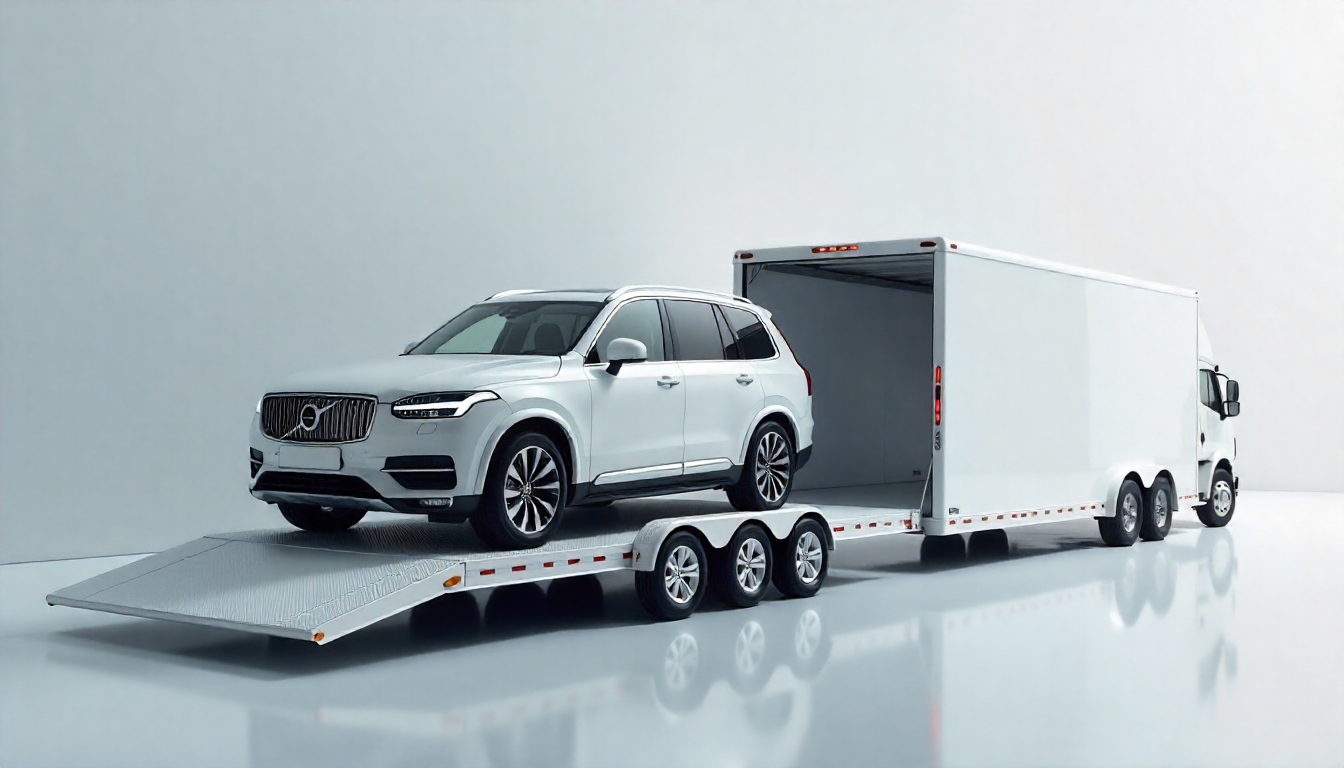
The Evolution of Dealership Inventory Acquisition
The automotive retail landscape has transformed dramatically in the past five years. Traditional reliance on manufacturer allocations and local trade-ins has given way to sophisticated multi-channel sourcing strategies. As a veteran-owned company with 24 years of specialized experience, Direct Connect Auto Transport has witnessed this evolution firsthand, serving hundreds of dealership clients navigating nationwide inventory acquisition.
Today’s successful dealerships source inventory from 5-8 distinct channels simultaneously: physical and virtual auctions, online B2B marketplaces, closed OEM networks, trade-ins, service lane opportunities, dealer group exchanges, and direct dealer-to-dealer purchases. This diversification mitigates supply chain disruptions, captures arbitrage opportunities, and ensures lot inventory meets local demand, but only when supported by reliable, cost-effective auto transport logistics capable of moving vehicles quickly across regional and national distances.
Modern dealer sourcing challenges require strategic logistics:
- Inventory velocity: Average dealer turn time 45-60 days requires fast vehicle acquisition and delivery
- Geographic arbitrage: Best inventory opportunities often 500-2,000 miles from dealership location
- Market fluctuations: Wholesale values vary significantly by region, creating sourcing opportunities
- Customer expectations: Retail buyers expect immediate availability, requiring proactive inventory positioning
- Margin pressures: Front-end gross declining (average $2,100 per vehicle 2025) makes efficient sourcing critical
- Seasonal demand: Regional preferences (trucks in Texas, AWD in Colorado) require strategic positioning
The transport logistics imperative:
Efficient dealer-to-dealer auto transport has evolved from operational necessity to competitive advantage. Dealerships with reliable logistics partners can:
- Source inventory nationally rather than regionally (10x larger selection pool)
- Act quickly on arbitrage opportunities (move vehicles within 3-5 days)
- Reduce holding costs (faster acquisition-to-retail cycle)
- Improve inventory turn (reliable delivery schedules support sales forecasting)
- Expand profitable sourcing channels (auctions, marketplaces previously considered too distant)
Understanding Dealer Inventory Sourcing Channels
Modern dealerships diversify inventory acquisition across multiple channels, each with distinct logistics requirements and transport considerations.

Physical and Virtual Auctions
Manheim, ADESA, IAA remain dominant:
- 9 million+ vehicles sold through physical/virtual auctions annually
- Average dealer sources 30-40% inventory via auction channels
- Geographic distribution: 100+ auction locations nationwide
- Transport requirement: Consistent, reliable pickup from auction facilities
Auction transport logistics considerations:
- Volume: Dealers typically purchase 3-8 vehicles per auction visit
- Timing: Auctions require pickup within 3-5 business days (storage fees apply)
- Condition variability: Vehicles range from pristine off-lease to mechanical issues requiring enclosed transport or special handling
- Distance: Dealers increasingly bid on vehicles 500-1,500 miles away for better selection/pricing
- Multi-stop routing: Efficient transport combines multiple auction pickups into a single carrier load
Transport cost impact: Auction-to-dealer transport typically $1.00-$1.35 per mile, depending on volume, distance, and routing efficiency. Dealers purchasing 5+ vehicles monthly negotiate preferred pricing through volume agreements.
Online B2B Marketplaces and Platforms
Digital transformation is accelerating:
- ACV Auctions: 20-minute online auctions, condition reports with 60+ photos
- BacklotCars: Dealer-to-dealer marketplace, transparent pricing, arbitration
- vAuto Provision ProfitTime: Cox Automotive platform integrating inventory sourcing with logistics
- Dealer.com Inventory+: Predictive analytics identifying acquisition opportunities
- OpenLane/OVE (Online Vehicle Exchange): Closed dealer networks, group-to-group trading
Digital marketplace advantages:
- Geographic reach: Source inventory from 1,000+ dealerships nationwide
- Transparency: Detailed condition reports, pricing history, and arbitration policies
- Speed: Purchase decisions within hours, transport arranged immediately
- Data-driven: Analytics identify profitable sourcing opportunities by region/vehicle type
Transport integration critical:
- Platforms increasingly integrate transport directly into the purchase workflow
- Dealers require 3-7 day delivery commitments to maintain inventory velocity
- Multi-vehicle shipments are common (dealers purchase 2-5 vehicles weekly from platforms)
- Enclosed transport option is important for high-value vehicles ($50K+)

Trade-Ins and Service Lane Acquisitions
Internal sourcing remains valuable:
- Average dealership receives 50-80 trade-ins monthly
- Service lane provides additional acquisition opportunities (customers seeking upgrades)
- Quality varies significantly (some retail-ready, others wholesale-only)
Transport considerations for internal sourcing:
- Reconditioning transport: Move vehicles to centralized reconditioning facilities
- Group network distribution: Multi-rooftop dealer groups redistribute trade-ins to locations with the highest retail demand
- Wholesale disposal: Transport non-retail units to auction for disposal
Strategic advantage: Dealerships with efficient internal logistics can evaluate trade-in at the point of appraisal, make an acquisition decision, and immediately arrange transport to the optimal retail location—all within 24 hours.
Dealer Group and Franchise Network Exchanges
Internal inventory sharing:
- Multi-location dealer groups (5-20+ rooftops) exchange inventory based on local demand
- Franchise networks share inventory during model shortages
- Regional dealer associations facilitate dealer-to-dealer direct sales
Logistics complexity:
- Frequency: Ongoing weekly/monthly exchanges between group locations
- Volume: 2-10 vehicles per exchange, depending on group size
- Routing efficiency: Multi-stop pickups/deliveries optimize costs
- Speed requirements: Move inventory within 3-5 days to prevent retail opportunity loss
B2B SOURCING DECISION FRAMEWORK:
Auctions work best when:
- Seeking high-volume inventory acquisition (5+ vehicles)
- Flexible on specific vehicles (can bid across multiple units)
- Have established buyer relationships at auction facilities
- Can absorb 3-5 day transport timing and occasional condition surprises
Online marketplaces excel when:
- Targeting specific vehicles (VIN-level shopping)
- Requiring detailed condition transparency (60+ photos, condition reports)
- Need arbitration protection (platform-backed guarantees)
- Want faster logistics integration (platform-arranged transport)
Dealer-to-dealer direct works when:
- Seeking specialty/niche vehicles (high-end luxury, classics, exotics)
- Have established dealer network relationships
- Can negotiate favorable wholesale pricing
- Need flexible arbitration terms
Dealer-to-Dealer Auto Transport Logistics: Operations and Costs
Understanding transport logistics specifics helps dealerships optimize sourcing strategies and maintain profitability.
Transport Service Types and Applications
Open transport (85-90% of dealer shipments):
- Cost: $1.00-$1.35 per mile, depending on volume, route, and distance
- Best for: Standard inventory under $40,000 (sedans, SUVs, trucks)
- Capacity: 7-10 vehicles per carrier
- Transit time: 3-7 days regional (under 1,000 miles), 7-14 days cross-country
- Application: High-volume sourcing, auction acquisitions, dealer network exchanges
Enclosed transport (10-15% of dealer shipments):
- Cost: $1.50-$2.00 per mile
- Best for: Luxury inventory $50K+, exotics, classics, pristine off-lease vehicles
- Capacity: 2-4 vehicles per carrier (smaller loads)
- Transit time: Similar to open but requires advance booking (limited capacity)
- Application: High-line dealerships, specialty inventory, customer-sold vehicles
Expedited transport (5% of dealer shipments):
- Cost: $1.75-$2.50 per mile (significant premium)
- Best for: Customer-sold vehicles requiring immediate delivery, high-demand inventory
- Transit time: 1-3 days (prioritized routing)
- Application: Retail customer promises, competitive advantage situations
Dealer Volume Pricing and Negotiation
Smart dealerships negotiate volume-based pricing reflecting consistent shipment volumes.
Typical dealer volume tiers:
- 1-4 vehicles monthly: Standard retail rates ($1.00-$1.35/mile)
- 5-9 vehicles monthly: 10-15% discount (preferred dealer pricing)
- 10-19 vehicles monthly: 15-20% discount (volume dealer tier)
- 20+ vehicles monthly: 20-25% discount (enterprise dealer programs)
Additional cost factors:
- Multi-stop routing: Combining pickups reduces per-vehicle cost 15-25%
- Return routing: Carriers offering discounts when the route aligns with existing delivery schedules
- Seasonal demand: Avoid peak consumer seasons (summer moving, snowbird migration) for better dealer rates
- Geographic density: High-volume routes (auction hubs to major metros) achieve lower per-mile costs
🚛 DEALER TRANSPORT COST OPTIMIZATION:
Strategies to minimize transport expenses:
- Batch purchases from the same region for multi-vehicle loads
- Negotiate annual volume agreements with preferred carriers (lock in rates)
- Use terminal-to-terminal when possible (dealer delivers/picks up at carrier terminals)
- Coordinate with the dealer group for consolidated shipping
- Avoid expedited unless customer-sold (standard 5-7 day acceptable for lot inventory)
Transit Times and Operational Planning
Predictable transit times enable accurate retail inventory forecasting and customer promises.
Standard dealer transport timelines:
|
Distance |
Open Transport |
Enclosed Transport |
Expedited |
|
0-500 miles |
2-4 days |
3-5 days |
1-2 days |
|
500-1,000 miles |
3-6 days |
4-7 days |
2-3 days |
|
1,000-2,000 miles |
5-10 days |
7-12 days |
3-5 days |
|
2,000+ miles |
10-14 days |
12-16 days |
5-7 days |
Planning considerations:
- Add buffer: Quote 7-10 days for 1,000-mile shipments (provide cushion for delays)
- Auction timing: Factor transport into acquisition decisions (car available at auction Thursday, won’t arrive dealership until following Tuesday-Thursday)
- Retail promises: Only commit customer delivery dates AFTER vehicle secured and transport arranged
- Reconditioning timing: Coordinate transport with service department availability (no value in fast transport if reconditioning backlogs 10 days)
Building Confidence: Condition Reports, Arbitration, and Documentation
Dealer-to-dealer sourcing requires trust mechanisms protecting against condition misrepresentation and transport damage.
Standardized Condition Reporting
Modern B2B platforms enforce detailed condition disclosure:
- Photo documentation: 40-80 photos showing all angles, defects, interior, and undercarriage
- Mechanical disclosures: Known mechanical issues, warning lights, operational concerns
- Damage documentation: Dings, dents, scratches, and paint issues are clearly noted
- Mileage verification: Odometer reading with timestamp
- Title status: Clean, salvage, rebuilt, branded titles clearly disclosed
Transport integration: Pre-transport condition reports with photos protect both dealer and carrier, establishing a baseline for damage claims.
Arbitration Policies and Protections
Marketplace platforms provide arbitration when vehicles don’t match listings:
- Timeframes: Typically 5-7 days from delivery to file an arbitration claim
- Covered issues: Undisclosed mechanical problems, title issues, odometer discrepancies
- Not covered: Wear and tear expected for age/mileage, minor cosmetic issues not affecting value
- Resolution: Full refund, partial refund, or repair cost compensation
Transport damage claims:
- Separate from arbitration (handled through carrier insurance)
- Bill of Lading documents the condition at pickup and delivery
- Claims filed within 24-48 hours of delivery
- Photo evidence is required showing that damage occurred during transit
Technology Enabling Trust and Transparency
TMS (Transportation Management Systems) for dealers:
- Real-time GPS tracking shows vehicle location throughout transport
- Automated pickup and delivery notifications
- Digital Bill of Lading with photo documentation
- Centralized dashboard managing multiple shipments simultaneously
- Integration with DMS (Dealer Management Systems) for inventory tracking
Benefits for dealer operations:
- Proactive customer communication (track vehicles sold to customers)
- Accurate inventory arrival forecasting (production planning for detail/reconditioning)
- Reduced administrative overhead (automated documentation, invoicing)
- Improved carrier accountability (performance metrics, on-time delivery tracking)
Operational Best Practices for Dealer Transport Programs
High-performing dealerships treat auto transport as a strategic capability, not an operational afterthought.
Establishing Preferred Carrier Relationships
Why preferred carrier programs work:
- Consistency: Same carriers learn dealership locations, processes, and preferences
- Priority service: Preferred dealers receive priority pickup scheduling
- Pricing stability: Volume agreements lock in rates despite market fluctuations
- Communication: Direct relationships improve coordination and problem resolution
- Performance metrics: Track on-time delivery, damage rates, and communication quality
Selecting transport partners:
- Dealer specialization: Prioritize carriers with B2B experience (understand dealer timing pressures)
- Geographic coverage: Ensure the carrier serves all regions where dealership sources inventory
- Capacity: Verify the carrier can handle dealership monthly volume (5-20+ vehicles)
- Technology: Modern carriers offer GPS tracking, digital documentation, and API integration
- Insurance and licensing: Verify proper FMCSA licensing, cargo insurance ($100K+ minimum)
Unlike large corporate carriers focused on retail consumer volume, Direct Connect Auto Transport provides dedicated dealer coordinators who understand franchise deadlines, reconditioning schedules, and retail sales commitments. Our 24 years of serving dealerships mean we anticipate needs before problems arise.
Integrating Transport with Inventory Management
Synchronizing sourcing and logistics:
- Purchase authorization: Include transport cost in acquisition decision (factor $800-$1,500 transport into wholesale purchase price evaluation)
- Turn time planning: Add 5-10 days of transport to the reconditioning timeline when forecasting retail availability
- Multi-vehicle batching: Coordinate auction purchases across multiple lanes for consolidated shipping
- Seasonal planning: Anticipate 4-6 week lead times during peak consumer seasons (May-August)
DMS integration benefits:
- Automated transport ordering: Trigger a transport request when a vehicle is purchased in the marketplace
- Inventory tracking: Update vehicle status from “purchased” to “in transit” to “arrived” automatically
- Cost accounting: Capture transport expense in the vehicle cost basis for accurate profitability tracking
- Forecasting tools: Predict inventory arrival for production planning
Route Optimization and Multi-Stop Efficiencies
Maximizing transport cost effectiveness:
- Geographic clustering: Purchase vehicles from the same region whenever possible
- Multi-stop routing: Single carrier picks up 3-5 vehicles from different locations within a 200-mile radius
- Backhaul opportunities: Coordinate with dealer group for return loads (reduce empty carrier miles)
- Seasonal routing: Leverage snowbird and migration patterns for favorable pricing (carriers returning empty from Florida to the Midwest, October-December, offer discounts)
Example scenario:
Dealer in Denver sources 5 vehicles weekly: 2 from Manheim Dallas, 2 from the Houston dealer network, 1 from the San Antonio auction. Rather than 5 separate shipments ($6,500 total), a single multi-stop route Dallas → Houston → San Antonio → Denver costs $4,200 (35% savings).
Managing Expedited and Customer-Sold Situations
When expedited transport justifies a premium:
- Customer-sold vehicles: Retail buyer committed, deposit paid, delivery promised
- High-demand inventory: Hot model needing immediate lot placement
- Competitive advantage: Secure inventory before the competitor secures the same vehicle
Operational protocols:
- Clear authorization: Require sales manager approval for expedited (cost premium significant)
- Customer communication: Set realistic expectations (3-5 days expedited, not same-day)
- Backup planning: Have a loaner/rental plan if expedited still misses the customer promise date
The Direct Connect Advantage: B2B Dealer Partnerships
Direct Connect Auto Transport has built 24 years of expertise specifically serving dealership clients. Our veteran-owned company understands that dealer logistics aren’t just about moving vehicles, they’re about supporting profitable retail operations through reliable, predictable, cost-effective transportation.
Our B2B dealer specialization:
- Dedicated dealer coordinators: Direct phone access to specialists, understanding franchise operations
- Volume pricing programs: 15-25% discounts for dealerships shipping 5+ vehicles monthly
- Same-week pickup capability: Auction and marketplace purchases picked up within 2-3 business days
- Multi-stop routing expertise: Optimize costs through intelligent routing combining multiple sources
- Flexible scheduling: Accommodate reconditioning schedules and retail sales commitments
- Enterprise solutions: Multi-rooftop dealer groups receive consolidated billing, centralized coordination
Technology supporting dealer operations:
- Real-time GPS tracking: Monitor all shipments via the dealer dashboard
- API integration capabilities: Connect with DMS and inventory management systems
- Digital documentation: Electronic Bill of Lading with photo uploads
- Performance reporting: Monthly metrics showing on-time delivery, damage rates, and cost per vehicle
Strategic Recommendations for Dealer Sourcing Success
Integrate logistics into sourcing strategy from day one:
- Establish preferred carrier relationships with 2-3 reliable transport providers (primary and backup)
- Negotiate volume pricing reflecting consistent monthly shipment volumes
- Factor transport costs into every acquisition decision (part of the vehicle cost basis)
- Leverage multi-stop routing to reduce per-vehicle transport expenses 20-30%
- Use technology (TMS, GPS tracking, digital documentation) for operational efficiency
- Plan realistic timelines, adding 5-10 days of transport to inventory forecasting
- Maintain preferred carrier performance metrics, tracking on-time delivery, damage rates, and communication quality
Dealerships with sophisticated transport logistics can source inventory from 5-8 channels nationwide, act quickly on arbitrage opportunities, reduce holding costs through faster turn times, and improve profitability through strategic acquisition, all impossible without reliable dealer-to-dealer auto transport partnerships.
Partner with Direct Connect for Dealer Transport Solutions
Ready to optimize your dealership’s inventory sourcing through reliable, cost-effective auto transport? Direct Connect’s 24 years of B2B experience, veteran-owned commitment to service, and specialized dealer programs provide the logistics foundation your sourcing strategy requires.
Frequently Asked Questions: Dealer-to-Dealer Auto Transport
How much does dealer-to-dealer auto transport cost?
Dealer-to-dealer auto transport typically costs $1.00-$1.50 per mile depending on vehicle type, distance, and shipment volume. Dealers shipping 5+ vehicles monthly qualify for volume discounts of 15-25%. Multi-stop routing combining multiple pickups reduces per-vehicle cost by 20-30%. Enclosed transport for luxury inventory costs $1.50-$2.00 per mile.
How long does dealer-to-dealer transport take?
Standard dealer transport takes 3-7 days for regional shipments (under 1,000 miles) and 7-14 days for cross-country. Expedited service available for customer-sold vehicles (1-5 days depending on distance). Auction pickups typically arranged within 2-3 business days of purchase to avoid storage fees.
What inventory sourcing channels require auto transport?
Major sourcing channels requiring transport include physical/virtual auctions (Manheim, ADESA), online B2B marketplaces (ACV Auctions, BacklotCars), closed OEM networks (OpenLane), dealer group exchanges, and direct dealer-to-dealer purchases. Average dealership sources 60-70% inventory from channels requiring interstate transport.
How do dealers get volume discounts on auto transport?
Volume pricing tiers typically offer 10-15% discount for 5-9 vehicles monthly, 15-20% for 10-19 vehicles, and 20-25% for 20+ vehicles. Multi-stop routing combining pickups from same region provides additional 15-25% savings. Annual agreements with preferred carriers lock in favorable rates despite market fluctuations.
What is multi-stop routing and how does it save money?
Multi-stop routing combines multiple vehicle pickups within same geographic region (typically 200-mile radius) into single carrier load. Example: Carrier picks up 3 vehicles from Dallas area auctions/dealers, delivers all to single Denver dealership. This reduces per-vehicle cost 25-35% versus three separate shipments by optimizing carrier efficiency.
Do dealers need special transport for luxury inventory?
Luxury vehicles valued $50,000+ typically require enclosed transport ($1.50-$2.00 per mile) protecting against weather and road debris during transit. High-line dealerships (BMW, Mercedes, Lexus, Porsche) often mandate enclosed transport for brand standards. Enclosed capacity limited—requires 5-7 days advance booking during peak seasons.
How do condition reports protect dealers during transport?
Pre-transport condition reports with 10+ photos document vehicle state at pickup. Bill of Lading signed by both dealer and carrier establishes baseline. Post-delivery inspection within 24 hours identifies any transport damage. Carrier insurance covers damage occurring during transit (separate from marketplace arbitration covering pre-existing issues).
Can dealers integrate transport with DMS systems?
Modern transport providers offer API integration with dealer management systems (DMS) enabling automated transport ordering when vehicle purchased, real-time inventory tracking showing “in transit” status, cost accounting capturing transport in vehicle cost basis, and forecasting tools predicting inventory arrival for production planning.
What should dealers look for in transport partners?
Key criteria include B2B dealer specialization (understanding franchise timing pressures), geographic coverage serving all sourcing regions, technology (GPS tracking, digital documentation, API capability), volume pricing programs (15-25% discounts), same-week pickup capability, proper FMCSA licensing, and cargo insurance $100K+ minimum.
How do dealer groups coordinate multi-rooftop transport?
Multi-location dealer groups consolidate transport through centralized coordination, negotiate enterprise volume pricing (20-25% discounts for 20+ vehicles monthly), redistribute trade-in inventory based on local retail demand, coordinate multi-stop routes combining pickups/deliveries across rooftops, and use consolidated billing simplifying accounting across locations.