


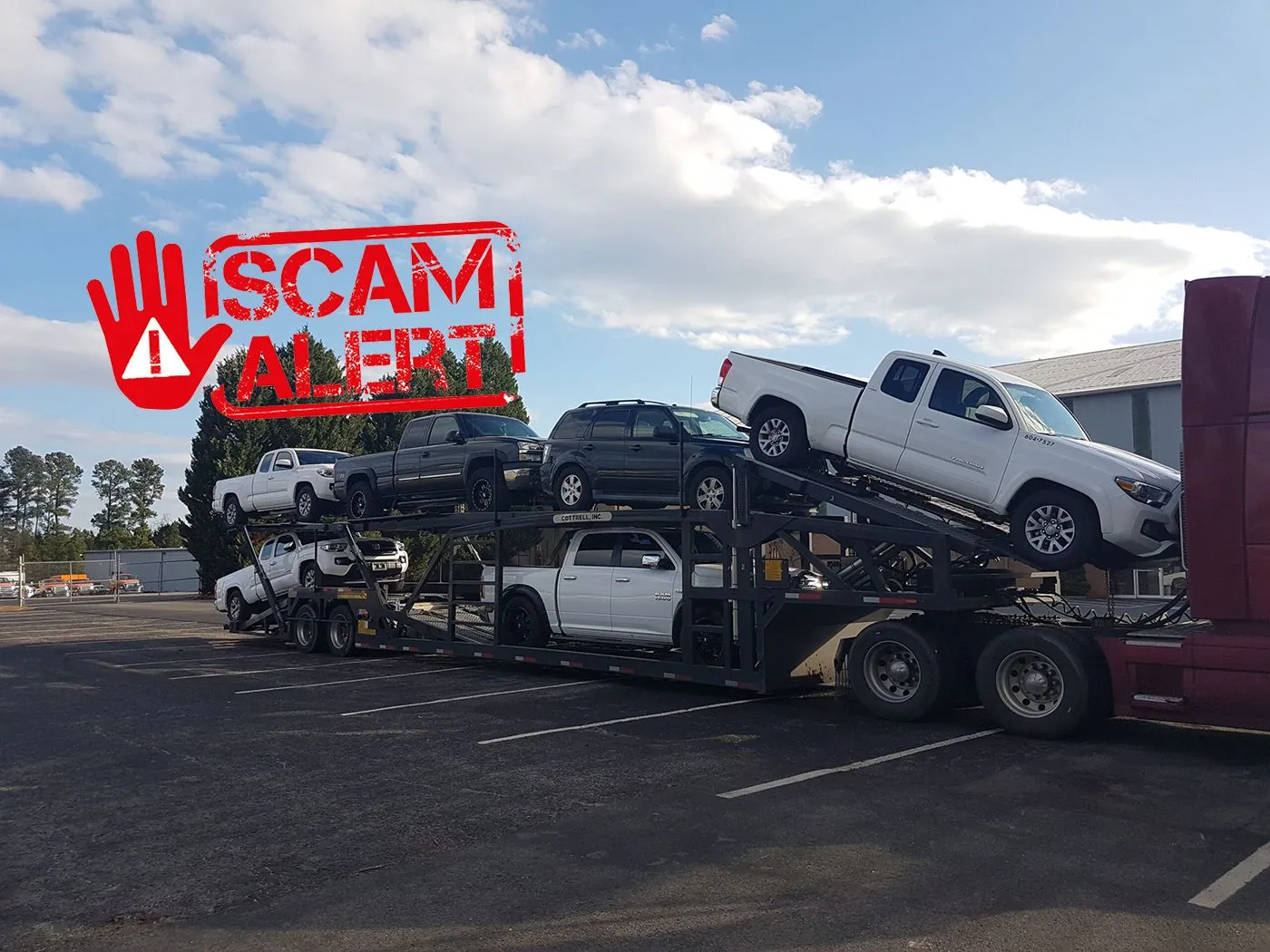
The Growing Problem of Auto Transport Fraud in 2025
Planning to ship your car? The car shipping industry is becoming riskier, with scammers using advanced tactics to appear legitimate. Professional websites and convincing credentials make it harder than ever to spot auto transport fraud.
The aftermath of COVID-19 also disrupted many traditional business models. With more people purchasing online and seeking remote services, the demand for auto transport services has been at an all-time high. Scammers recognized this opportunity and flooded the market with fake companies and deceptive practices.
Why do scammers specifically target car shipping customers? The answer is simple: high-value transactions with emotionally invested customers. When someone needs to ship their car, they are under pressure and dealing with a valuable financial commitment. This makes them vulnerable to high-pressure sales tactics and too-good-to-be-true offers.
Most Common Car Shipping Scams
Let’s break down the car shipping scams you are most likely to face in 2025.
The Lowball Quote Scam
This one is as old as the industry. A company advertises a price 30 to 40% below the industry average. Once you book, the real costs appear: carrier shortages, fuel surcharges, or hidden service fees. By the time you realize what is happening, you are either forced to pay more or lose your deposit.
Rule of thumb: If the price is far below other quotes, the trap is already set.
The Deposit Scam
Some companies demand substantial upfront payments. Once they receive your money, they either disappear entirely or provide endless excuses about delays. They might send fake booking confirmations to buy more time until you realize you have been scammed.
The Unlicensed Broker Scam
Many scammers pose as legitimate car shipping companies when they are actually unlicensed brokers, or worse, they have no connection to the auto transport industry at all. They will collect your deposit and personal information. Then, they either disappear or attempt to broker your shipment to an actual auto transport company.
The Fake Insurance Scam
Some companies provide forged insurance documents. When your car arrives damaged, you discover the policy does not exist, and you are left with the repair bill. Make sure to always verify insurance directly with the provider, not just the company handing you paperwork.
Red Flags That Signal Car Shipping Scams
Not every auto transport fraud looks the same, but certain warning signs should stop you from moving forward:
Pricing Red Flags
- Quotes 30% below competitors
- Pressure to ‘book today or lose the rate.
- Demands for cash-only payments
- Requests for deposits of more than 20%
Communication Red Flags
- Pushy or aggressive sales tactics
- Unprofessional or rushed communication
- Vague or evasive answers to simple questions
- Reluctance to provide written documentation
Business Practice Red Flags
- No physical office, only a P.O. Box
- Missing or unverifiable DOT or MC numbers
- False claims of industry memberships
- Few or suspiciously generic online reviews
How to Verify Legitimate Car Shipping Companies?
Luckily, spotting a legitimate car shipping company is not difficult, once you know what to look for. Ten minutes of research can protect thousands from losses.
Visit the Federal Motor Carrier Safety Administration's database and search for the company using its DOT or MC number. It shows licensing status, safety ratings, and any violations or complaints.
Request a current certificate of insurance and verify it directly with the insurance company. Do not solely rely on documents provided by the transport company.
Look at BBB accreditation, Google reviews, and transport-specific review sites. Examine the contracts thoroughly. A legitimate agreement should clearly outline pricing, delivery windows, and liability coverage.
Look beyond the company's own website. Check Google reviews, Yelp, and transport-specific review sites. Be wary of companies with only recent or similar-sounding reviews.
How to Avoid Car Shipping Scams?
Before Booking
Start your research early and never rush your decision. Get quotes from at least three different companies. Compare their prices, services, communication quality, and credentials. If you are shipping to or from metropolitan areas, search for companies with strong regional reputations.
Use the 20% rule. If any quote is more than 20% above or below the average of your quotes, dig deeper to understand why.
During the Booking Process
Always pay with a credit card. Credit cards offer dispute resolution and chargeback protections that cash, cheques, or wire transfers do not provide. Read your contract thoroughly before signing, and never be afraid to ask questions about anything you do not understand.
Legitimate car shipping companies will gladly explain their policies, insurance coverage, and procedures. If a company seems evasive or pressures you to sign quickly, walk away.
Red Flag Response Protocols
Scams are designed to fool the eye, not the gut. When the deal does not sit right, back out of it, do not let time limitations or an illusion of a great deal override your better judgment. It is always better to pay a fair price to a reputable company than to save money with a scammer.
If you encounter red flags, consider reporting suspicious activity to the Federal Trade Commission and your state's consumer protection office.
What Legitimate Car Shipping Companies Look Like
Professionalism is easy to spot. The challenge is taking the time to check for it before committing your money.
Professional Standards
Professional auto transport companies have proper FMCSA licensing, comprehensive insurance coverage, and transparent pricing structures. Their quotes are detailed, explaining what is included and what might cause price adjustments.
Business Practices
Legitimate car shipping companies also have clear contracts. Everything will be laid out in writing, from payment schedules to liability coverage. Deposits are reasonable, customer service is responsive, and reviews reflect consistent experiences.
Industry Credentials
Look for companies that are members of industry associations or have recognition from organizations like the Better Business Bureau. These credentials prove their commitment to professional standards and customer service.
Safe Payment Practices for Car Shipping
Money is often where scams sting the hardest. To protect yourself, stick to payment methods that leave a trail. Credit cards are best because they allow you to dispute charges if the service is not delivered.
Deposits for auto transport services should be fair, never exceeding 10 to 20%. The remaining balance should only be due once the vehicle is safely delivered. Avoid cash payments, wire transfers, or prepaid gift cards. These methods give scammers exactly what they want, i.e. money that can not be recovered.
What to Do If You Have Been Scammed?
Immediate Response Steps
Contact your bank or credit card company immediately to dispute the charges and prevent further unauthorized transactions. Document everything. Save emails, texts, contracts, and any other communications with the company.
File reports with the Federal Trade Commission, your state's Attorney General's office, and the Better Business Bureau. If the company claims to have DOT/MC numbers, report them to the FMCSA as well.
Recovery Options
If you paid with a credit card or even certain debit cards, you can file a chargeback claim. Banks side with consumers in cases of fraud when you can show evidence of misrepresentation. You may also consult an attorney about pursuing legal action. Sometimes, even a formal demand is enough to pressure scammers.
Recovery can take time, and not all claims succeed. But even if you can not get your full money back, these steps help document the scam and protect others.
Prevention Going Forward
Once you have dealt with the immediate issue, take steps to prevent this from happening again. Think of it as turning a difficult situation into a learning experience.
Never book with the first company you contact. Compare at least three quotes and vet each one. Trust becomes something that companies must earn through transparency and verifiable credentials, not just smooth sales presentations.
2025 Industry Updates and New Scam Trends
Scams are adapting to consumer behaviour in 2025. Social media tactics are now being used to lure customers with fake profiles and false promises of cheap shipping. Some companies manipulate review sites with dozens of fabricated five-star ratings to appear more credible than they are.
Fraudsters are also using spoofed phone numbers and cloned websites to impersonate legitimate carriers. This makes it even more important to verify information directly through government databases and trusted third-party sources.
The good news is that regulators are responding with stricter oversight. The Department of Transportation and FMCSA are working on new consumer protection measures to hold brokers accountable and tighten licensing requirements.
Nevertheless, the best protection remains consumer education and careful vetting of any company before booking their services.
How Direct Connect Auto Transport Protects Customers?
Direct Connect Auto Transport understands that trust is earned through transparency and consistent service. We maintain full FMCSA licensing and comprehensive insurance coverage. We are always willing to provide documentation to verify our credentials.
Our pricing is transparent and competitive, without the lowball tactics that scammers use to hook unsuspecting customers. We provide detailed quotes and we do not surprise you with hidden fees or last-minute price increases. We also provide resources like this guide to help you make informed decisions about your auto transport needs.
Learn more about our car shipping services.
Questions to Ask Before Hiring a Car Shipping Company
A legitimate company will answer the following questions clearly, in writing, and without hesitation.
- Can you provide your DOT and MC numbers for verification?
- What insurance coverage do you carry, and can I see a current certificate?
- What is included in your quoted price, and what might cause changes?
- How do you handle vehicle damage claims?
- What is your policy if pickup or delivery is delayed?
Frequently Asked Questions
How can I tell if a car shipping company is legitimate?
Look for DOT/MC numbers, valid insurance, and a track record of reviews. Also, check for professional communication, transparent pricing, and verifiable customer testimonials.
What are the biggest red flags for car shipping scams?
Extremely low quotes, high deposits, cash-only payments, and vague communication. Be cautious of companies that pressure you to act quickly or provide unreliable information.
How much deposit should I pay for car shipping?
Generally $100 to $200. Anything more should raise suspicion. Legitimate car shipping companies request only a reasonable deposit upfront and collect the rest upon delivery.
What should I do if I think I am being scammed?
Stop payment, collect documentation, and report the company to FMCSA or the FTC. Also, inform your bank or credit card company to explore chargeback options if applicable.
Are online car shipping brokers safe to use?
Yes, as long as they are properly licensed and verified. Always cross-check their credentials with government databases and read independent reviews before booking.
How do I verify a company's DOT and MC numbers?
Look up the numbers in the FMCSA’s database to verify. This guarantees that the company is legally verified and meets federal safety requirements.
What payment methods are safest for car shipping?
Credit cards are safest since they offer fraud protection and chargeback options. Avoid methods that do not offer any recourse, including cash transfers, wire transfers, or prepaid gift cards.
Can I get my money back if I have been scammed?
If you paid by credit card, you can file a chargeback. With other methods, recovery is harder. Document all communication and transactions to strengthen your case with the authorities.