


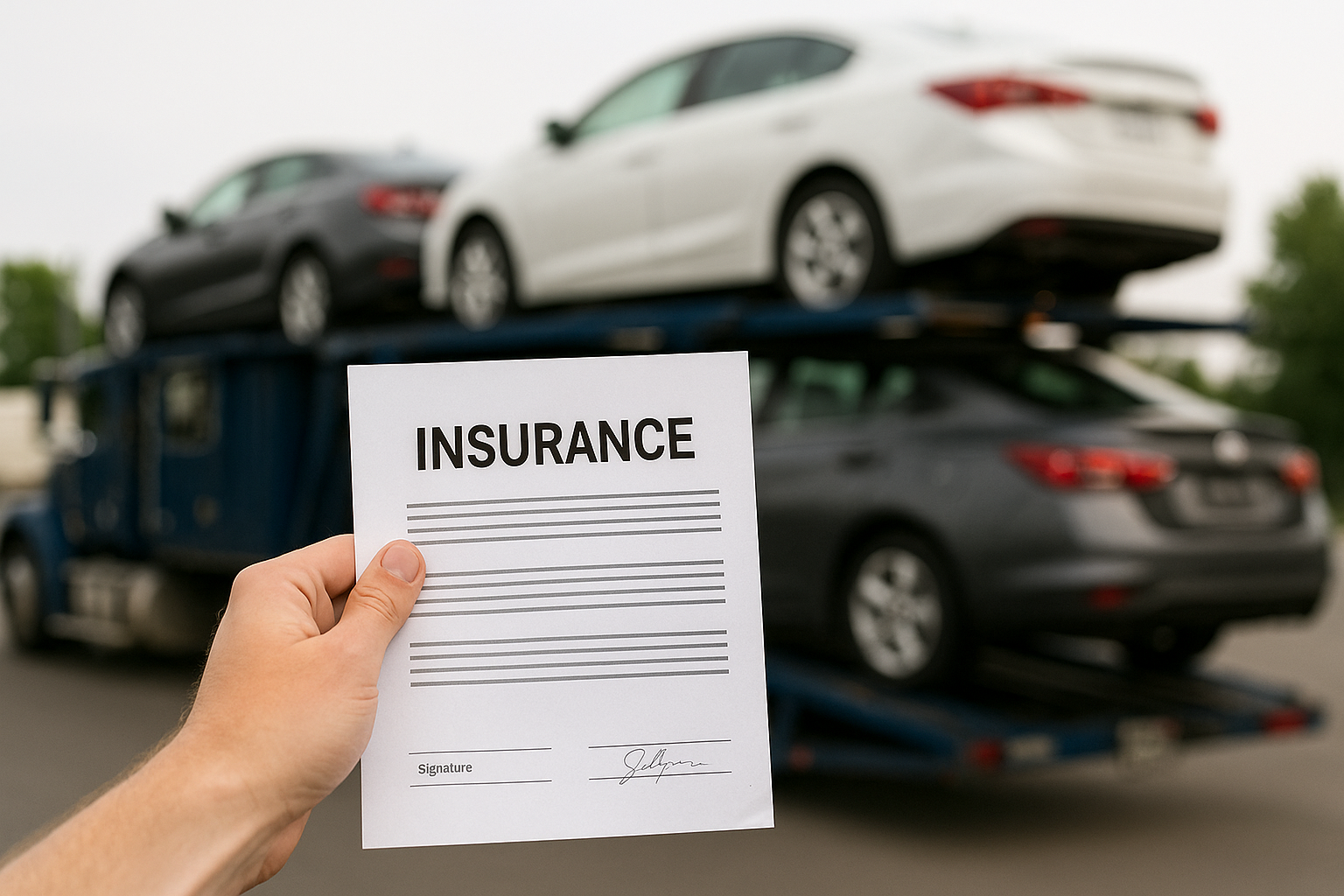
What Are the Federal Insurance Requirements for Auto Transporters in 2025?
Handing your car over to a shipping company means putting one of your most valuable assets in someone else’s care. Auto transport is usually safe, but accidents and damage can happen, which makes it essential to understand car shipping insurance. Federal rules set the minimum protection carriers must provide, but knowing the details also helps you spot coverage gaps and decide if extra protection is needed.
Here are some of the most important federal requirements you should be aware of:
- The Federal Motor Carrier Safety Administration (FMCSA) is the regulatory body for interstate auto transporters. They impose both liability and cargo insurance requirements.
- Liability insurance for motor carriers must be filed using forms like BMC-91 or BMC-91X. According to the FMCSA, the minimum levels of public liability insurance (bodily injury/property damage) vary depending on the cargo type, weight, and passenger transport, among other factors. For example, for typical non-hazardous freight, the baseline is $750,000.
- Cargo insurance covers the goods/vehicles being transported. It has modest legal minimums in many cases, but these minimums are often insufficient to fully protect your vehicle. For example, for household goods carriers, there are minimums, such as $5,000 per vehicle, but this is rarely enough for meaningful vehicle shipping protection.
- Many carriers choose to carry much higher than these legal minimums (both for liability and cargo) because shippers/customers demand it.
What Are the Types of Auto Transport Insurance Coverage?
Auto transport insurance typically comes in three layers: carrier liability (which covers others, not your car), cargo insurance (which covers your car during transit), and optional supplemental policies that fill coverage gaps. Here are the crucial types of coverage you should know:
- Motor Carrier Liability Insurance
It covers damage or injury the carrier causes to others, but it doesn’t cover damage to your vehicle during shipping.
- Motor Truck Cargo Insurance / Inland Marine Cargo Insurance
This is the primary insurance that protects your car from physical damage while it is being transported (including collisions, loading/unloading accidents, etc.).
- Contingent or Supplemental Insurance
This is an optional coverage that fills in the gap if the carrier’s cargo insurance does not fully cover a valid claim. It’s often used for high-value or specialty vehicles.
- Personal Auto Insurance
Typically, it does not cover damage that occurs while the vehicle is being transported by a commercial carrier. Always review your policy before assuming coverage is in effect.
What is Actually Covered: Detailed Breakdown?
What is actually covered by car shipping insurance depends on the carrier’s policy, but most plans protect against physical damage during transit while excluding personal items or pre-existing issues. Below are realistic examples of what is and isn’t covered, with reference to real companies.
Covered
- Damage during shipping (carrier fault): Collisions, accidents en route.
- Loading/unloading accidents: Dents or scratches from lifting, door bumps. If noted properly on the Bill of Lading (BoL).
- Fire, theft, vandalism: If the policy includes those perils. Some carriers include them; others require additional riders.
- Contingent protection: An extra layer of coverage that can apply if the carrier’s primary cargo insurance does not fully cover a valid claim.
Not Covered / Common Exclusions
- Pre-existing damage, which refers to any issues you had prior to pickup, is typically excluded.
- Mechanical breakdowns not caused by transport (engine/electrical issues, etc).
- Personal items inside the vehicle.
- Acts of nature, unless a rider is added. Weather damage is often excluded or covered in some cases.
What Are the Coverage Gaps and Limitations?
Not every risk is covered by car shipping insurance, and the fine print often shifts responsibility back to the vehicle owner. The most common gaps involve things like personal items left in the car, pre-existing damage, and limits on how much the carrier’s policy will actually pay. Reviewing these details in your contract helps you understand where you might still be exposed.
- Low Cargo Insurance Limits: Some carriers only carry minimal cargo insurance (especially open transport). If your car is worth more than that limit, you’re responsible for the rest.
- Shared Coverage across Multiple Vehicles: Sometimes a policy’s total cargo limit is split across multiple cars on the same load. So, even though a carrier shows “$200,000 cargo insurance,” that amount might be divided among 8-10 cars, thereby lowering the coverage per car.
- Deductibles: Most policies require you to cover a set deductible before insurance pays out, and the exact amount can vary depending on the carrier and your vehicle.
- Time Limits for Claims: Policies require you to report damage within specific time frames; FMCSA rules or state laws may also impose deadlines. Failing to report promptly or to sign the delivery paperwork noting damage can void your claim.
- Documentation is Key: Without clear photos, signed delivery receipts, and estimates/repair bills, it can be challenging to prove that the damage occurred under the carrier’s watch.
- Out-of-Scope Risk: Acts of God, damage resulting from improper vehicle preparation (such as unsecured loose parts), or theft due to the vehicle being left unlocked or with windows down; these risks are often excluded from policies.
What Are the Documentation Requirements for Successful Claims
To file a successful claim, you need to provide proof of your vehicle’s condition before and after shipping. This involves gathering the necessary photos, records, and signed paperwork at each stage of the process. The checklist below shows the essential documentation you should prepare.
| Stage | Required Documentation |
| Pre-shipping |
Detailed photos under good lighting |
| Post-delivery |
Delivery inspection photos |
Proper documentation is essential for a successful car transport insurance claim. Make sure you have all the necessary documents in place before you file.
How to File a Car Shipping Insurance Claim?
Filing a claim isn’t complicated, but it does require following the right steps and meeting deadlines. Based on real provider policies and industry practices, here’s what the process usually looks like.
- Inspect at Delivery
Be present when the carrier delivers; note all damage on the BoL. Take detailed photos (all sides, interior, underbody).
- Document the Condition before Pickup
Use photos and video; different car shipping providers require inspection at pickup and drop-off.
- Keep the Certificate of Insurance and Policy Details
Ask your carrier/broker for this information; note the coverage amounts, exclusions, and deductible details.
- File Promptly
Submit your claim with all required documents: BoL, photos, repair estimates, and proof of value. Many carriers specify that contingent insurance only covers claims when certain criteria are met.
- Follow Up
Keep copies of all contacts, anticipate potential disputes over what was “pre-existing,” or “excluded.”
You can also read our guide for claims assistance resources.
High-Value Vehicle Considerations
If your car is a luxury, classic, exotic, or otherwise high-value vehicle, standard carrier insurance may not be enough. These vehicles often require enhanced protection to cover their higher replacement cost and specialized handling needs.
- Agreed-Value Policies: These guarantee a payout equal to a pre-defined value, rather than a depreciated value.
- Higher Limits: Insist that the carrier’s motor truck cargo limit is well above the vehicle’s worth, or get supplemental/excess coverage.
- Enclosed Carriers: Often safer, more expensive, but better insurance and fewer exposures.
- Specialty Insurers: Some insurers specialize in collector cars, classics, and other high-value vehicles, and their policies often include restoration, transportation coverage, and damage otherwise excluded.
- Diminished Value Protection: It covers the reduction in the resale value of a car after damage repairs. Some policies or third-party insurers offer this coverage, though it is rare and costly.
Learn how to select safe and insured transporters with our comprehensive carrier vetting and selection guide.
What Are the Common Insurance Misconceptions?
Many car owners assume insurance works the same way in auto transport as it does with their personal auto policy, but that’s not the case. Misunderstandings can lead to costly surprises if damage occurs. Here are some of the most common myths, and the realities behind them:
| Myth | Reality |
| All damage is automatically covered. | No, many policies exclude wear and tear, pre-existing damage, personal items, natural disasters, etc. Always read the details carefully. |
| Personal auto insurance covers transport damage. | Usually not, or only partially, and only if your policy has specific clauses. Often, your vehicle must be in your possession, not someone else’s, or in transit. |
| Carriers provide full replacement value. | Often, they provide payouts capped at the policy limit, minus the deductible; they may use actual cash value rather than replacement. If your car is worth more, there may be a gap. |
| Claims are always simple and quick. | No, often claims are delayed for lack of documentation, disagreements over when damage occurred, disputes about pre-existing damage, etc. Being thorough helps. |
Understanding these misconceptions helps you set realistic expectations before shipping your vehicle. Instead of assuming you’re fully protected, ask carriers direct questions, review contracts carefully, and consider supplemental coverage if your vehicle has a higher value.
Realistic Expectations
Because so much can vary (carrier, policy, the route, the vehicle value, the condition, etc.), here’s what you should reasonably expect:
- Even with insurance, you may not get full replacement value unless you have arranged agreed-value or high coverage.
- Some damage may be cosmetic and only partially covered by insurance.
- Disputes happen; carriers may try to prove that the damage was pre-existing or that you did not properly document.
- Insurance claims may take time; patience + documentation = better odds.
How to Choose a Carrier Based on Insurance Coverage?
Insurance coverage should be one of the first things you evaluate when selecting an auto transport carrier. Not every policy is created equal, and gaps can leave you exposed if something goes wrong. Here are the key things to check:
- Ask for the exact cargo coverage amount (open vs enclosed), whether the carrier policy is primary, and whether there’s supplemental/contingent coverage.
- Verify the USDOT/MC numbers of the carrier and use FMCSA’s SAFER system. Other shipping companies require carrier insurance and verify their network.
- Read carrier reviews to see how they have handled past claims.
- Avoid carriers who refuse to share their COI or seem vague about auto transport insurance coverage.
Are There Any State-Specific Insurance Considerations?
Yes. Some states have their own rules that go beyond federal requirements, affecting what coverage carriers must provide and how disputes are resolved.
For example, certain states require carriers or brokers to disclose insurance limits or mandate higher liability and cargo minimums. In California, brokers must give customers clear details about insurance coverage, limits, and exclusions. State laws can also decide whether contingent coverage is enforceable and how small claims are handled.
It’s important to understand these state-specific differences when arranging car shipping insurance. They can impact your auto transport insurance coverage, the types of vehicle shipping protection available, and how carriers handle car transport insurance claims. Being aware of state regulations ensures you select a carrier that meets both federal and local requirements, giving you confidence that your vehicle is fully protected throughout transit.
What Are the Best Practices to Protect You When Shipping a Vehicle?
The best way to protect yourself when shipping a vehicle is to document, prepare, and verify coverage before, during, and after transport. Even the most comprehensive car shipping insurance won’t cover you fully if you skip these steps. Following best practices reduces disputes and ensures your auto transport insurance and vehicle shipping protection work as intended.
- Document everything: vehicle condition before shipping, mileage, and photos under good lighting.
- Be present at both pickup and delivery if possible.
- Read your contract, note any exclusions or riders.
- Remove personal items
- Check with the carrier to see if their policy covers your scenario (such as open vs. enclosed, long distance, adverse weather conditions).
- Get a copy of the certificate of insurance.
You can also follow our vehicle preparation checklist.
Direct Connect Auto Transport Insurance Transparency
If you want added peace of mind when shipping your vehicle, Direct Connect Auto Transport stands out for its clear, customer-focused approach to insurance. The process is designed to remove the inconvenience and help buyers feel confident that their vehicle is protected.
- Carrier Vetting Process: Only works with carriers who have active USDOT registration, FMCSA licensing, and valid cargo and liability insurance. Each carrier’s credentials are verified before assignment to ensure compliance and reliability.
- Coverage verification: Customers can request a copy of the carrier’s Certificate of Insurance before booking, including cargo coverage limits, liability policy details, and expiration dates, so you know exactly what protection applies to your shipment.
- Claims assistance: If damage occurs, Direct Connect helps customers navigate the claims process by coordinating with the carrier’s insurance company, gathering documentation, and ensuring claims are filed correctly and on time.
- Customer protection policies: Maintains internal standards to protect customers, including transparent terms, no hidden fees, and proactive communication throughout the shipping process.
Final Thoughts: Protecting Your Vehicle with the Right Car Shipping Insurance
Shipping your vehicle doesn’t have to feel uncertain when you clearly understand how car shipping insurance works and choose a carrier that values transparency.
The key is to verify your carrier’s liability and cargo coverage, know what’s excluded, and close any gaps with extra protection if your vehicle is high-value or rare. Thorough documentation before and after transport gives you the proof you need if you ever need to file a claim.
By following the steps in this guide and partnering with experienced, properly insured transportation professionals, you can move your vehicle with confidence, knowing your investment is protected from pickup to delivery.
Are You Ready to Ship Your Vehicle with Confidence?
Get a free, no-obligation quote from Direct Connect Auto Transport today. Our team will walk you through coverage details, documentation steps, and the safest way to move your car.
🔗 Learn More About Claims Assistance Resources
🔗 Learn More About High-Value Vehicle Shipping Services
Frequently Asked Questions
What is the minimum insurance coverage required for auto transporters?
Federal law (FMCSA) requires carriers to hold liability insurance (BMC-91/91X), usually starting at $750,000.
Cargo insurance minimums can be as low as $5,000, although most carriers carry much higher amounts.
Does my personal auto insurance cover transport damage?
Sometimes partially, but typically no. Many personal policies explicitly exclude damage while the vehicle is being transported by a commercial carrier. Always check with your insurer.
How long do I have to file a claim?
This depends on the carrier and the insurance policy. It can be immediate (on delivery) for visible damage, or some defined period (such as 30 days). Also, federal/state statutes may impose limitations. Delays or failure to report can lead to denials.
What if my car is worth more than the coverage limit?
You may need supplemental or excess insurance. Get an “agreed value” policy or “gap coverage.” Some carriers or brokers offer these options.
Can I buy additional insurance for my shipment?
Yes. Through the carrier, broker, or a third-party insurer, depending on vehicle value and risk.
What happens if the carrier doesn't have proper insurance?
You might have recourse through legal channels. Additionally, verifying USDOT/MC numbers, COI, and reviewing evidence of insurance and endorsements is essential when avoiding working with such a carrier.
How do I prove damage occurred during transport?
The strongest evidence includes detailed before-and-after photos, a signed Bill of Lading/delivery receipt noting damage, any video footage, repair estimates, and possibly maintenance records to show the condition before the incident.
What's a typical deductible for auto transport insurance claims?
Deductibles often run from $200 to $1,000 or more, depending on the policy. The higher the coverage limit, the higher the deductible often is.