


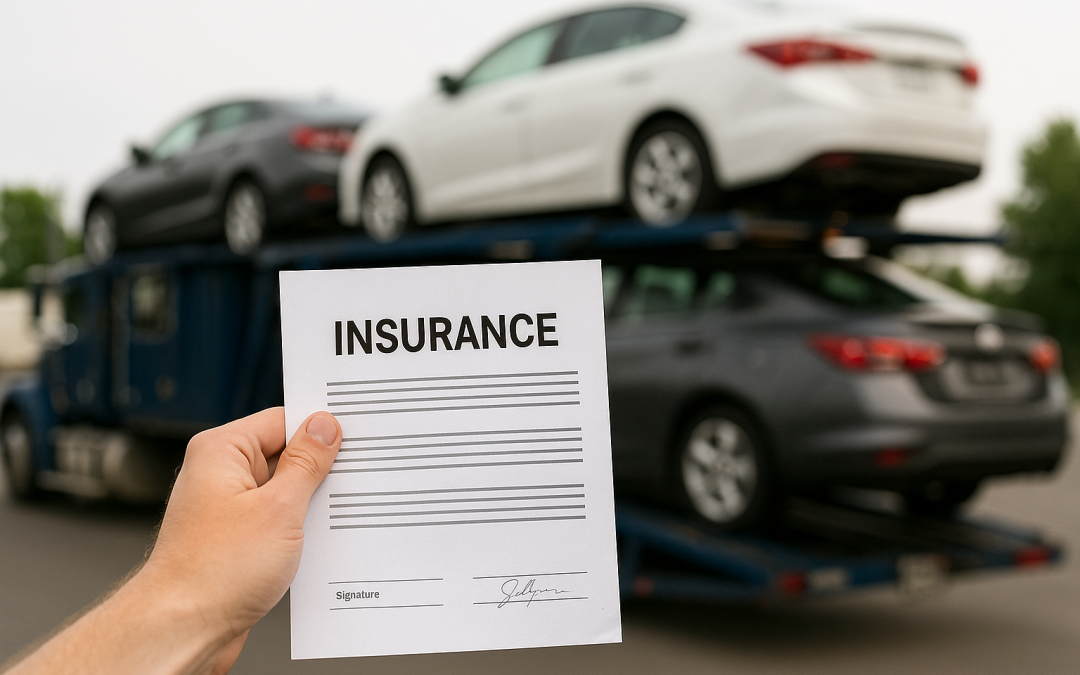

Auto transport insurance is one of the most misunderstood and yet most important parts of the vehicle shipping process. In 2026, customer expectations have evolved, regulations have tightened, and coverage details have become more nuanced. Still, many vehicle owners remain uncertain about what's actually protected, what the limitations are, and how to navigate claims if damage occurs.
If you're preparing to ship your car, understanding auto transport insurance coverage is critical for peace of mind. This guide dives into what is truly covered in 2026, explains potential gaps in protection, walks you through the car shipping insurance claims process, and offers tips on securing the right level of vehicle transport damage protection. Let’s break down the details to help you ship with confidence.
What Does Auto Transport Insurance Typically Cover in 2026?
Auto transport carriers are legally required to carry liability and cargo insurance, but the scope of that insurance varies by company. In 2026, DOT-registered auto carriers must maintain a minimum of $750,000 in liability coverage. However, the actual protection for your vehicle depends on the cargo insurance terms.
Covered under standard insurance:
- Exterior damage during transit (scratches, dents, broken mirrors, etc.)
- Damage resulting from carrier negligence
- Damage caused by a collision while in the transporter’s possession
Not typically covered:
- Pre-existing damage
- Interior damage, unless specifically noted
- Personal items left in the vehicle
- Acts of God (floods, hailstorms, earthquakes) unless the policy has additional riders
Carriers may differ in how much they’re willing to cover per vehicle. Most cargo policies range from $50,000 to $250,000 per vehicle, depending on the value and transport method.
Types of Auto Transport Insurance Coverage
Understanding what is protected and what isn't included with your car shipping quote is key to avoiding surprises. While all carriers are legally required to carry some form of insurance, the extent and applicability of this coverage vary. Here’s a breakdown of the most common types:
Carrier Liability Insurance
This is the baseline insurance required by federal law for all licensed auto transport carriers. Carrier liability insurance typically covers bodily injury or property damage the carrier may cause to others on the road, such as hitting another vehicle, not damage to your own vehicle. Coverage limits usually start around $750,000 to $1 million, but again, it won’t cover scratches, dents, or theft affecting your own car during transport.
Motor Truck Cargo Insurance
Motor truck cargo insurance is the core coverage that protects your vehicle while it’s actively being transported. It typically covers damage during loading, transit, and unloading. Most policies provide $100,000 to $350,000 per load, but that amount is shared across all vehicles on the trailer. For example, if 8 cars are being shipped on a $200,000 policy, that equals only $25,000 of protection per vehicle, which is far less than the value of most cars today.
Supplemental or Third-Party Insurance
If your vehicle is particularly valuable or you're concerned about weather events, theft, or gaps in standard coverage, supplemental or third-party insurance may be worth it. These policies are often offered by brokers or insurance partners and can provide coverage for things like hail, vandalism, or natural disasters, issues not always covered by basic carrier insurance. This type of policy is highly recommended for classic cars, exotic vehicles, or loaned/leased cars with special conditions.
Insurance Coverage Comparison
Navigating the different types of auto transport insurance coverage can be overwhelming, especially when each option varies in scope, limits, and responsibility. To help you make an informed decision, the table below summarizes the key differences between carrier liability, cargo insurance, and supplemental coverage, highlighting what’s included, what’s not, and how it could affect your total protection during vehicle transport.
| Coverage Type | Typical Limits | Pros | Cons |
| Carrier Liability Insurance | $750K–$1M | Legally required; covers third-party damage | Does not cover your vehicle |
| Cargo Insurance | $100K–$350K per load | Covers physical damage to the vehicle | Split across multiple vehicles |
| Supplemental Insurance | Based on the vehicle's value | Covers weather, theft, and total loss | Additional cost, separate policy |
2026 Insurance Trends You Should Know
Staying informed ensures better protection decisions:
- Climate Clauses Added: Many insurers are now offering or requiring policies to cover climate-related damage, like hailstorms in the Midwest, hurricanes, wildfires, or flooding, especially for long-haul seasonal moves.
- Digital Claims Processing: Claims filing and tracking have become digital-first in 2026. Many providers offer mobile app-based claims submission with real-time updates, reducing processing delays and improving transparency.
- Dynamic Pricing by Route & Vehicle: Premiums are tied more closely than ever to factors like vehicle value, mileage, route risk score (e.g., high-crime zones), and seasonal timing, a departure from flat-rate pricing of earlier years.
Open vs. Enclosed Transport: How Insurance Coverage Varies
Before choosing a shipping method, consider how your choice impacts coverage.
Open Transport is more affordable and commonly used, but your vehicle is exposed to weather, road debris, and dust. While most standard policies cover external damage, you may have a higher risk of filing a claim.
Enclosed Transport offers greater protection and is ideal for high-value, luxury, or collector vehicles. Insurance policies for enclosed shipments often offer higher cargo limits, and the added layer of protection reduces the risk of damage and claims.
Tip: If your vehicle is worth more than $100,000, always confirm with the carrier whether their policy fully covers your vehicle’s value.
What to Expect in Car Shipping Insurance Claims
Even with the best transporters, accidents happen. Knowing how to file a claim helps reduce stress and improve your chances of reimbursement. The car shipping insurance claims process in 2026is more digital than ever, but it still requires diligence on your part.
Key steps in the process:
Inspection Before Pickup:
- Document every side of your vehicle with time-stamped photos.
- Note existing damage on the Bill of Lading.
Inspection Upon Delivery:
- Perform a detailed inspection as soon as the car arrives.
- If new damage is found, note it on the delivery paperwork before signing.
File the Claim Promptly:
- Contact the shipping company and request their insurance policy information.
- Submit photos, bills, and a written description of the damage.
- Most insurers require claims to be filed within 7–10 days.
Follow Up:
- Ask for timelines.
- Stay in touch to ensure the claim is processed in a timely manner.
Pro Tip: Always ask for a Certificate of Insurance (COI) before booking your shipment.
Gaps in Auto Transport Insurance Coverage You Should Know
One of the biggest issues customers face is assuming full protection, only to discover gaps. Let’s clarify some common blind spots in auto transport insurance coverage.
Personal Belongings in the Vehicle:
Most insurance policies exclude contents inside the car. Leaving electronics, bags, or tools in your vehicle could result in theft or damage with zero compensation.
Undercarriage and Mechanical Issues:
Standard policies don’t cover mechanical issues, fluid leaks, or undercarriage damage unless directly caused by the transporter’s negligence.
Acts of God:
Natural disasters are often excluded. If you're shipping during hurricane season or in snow-prone areas, request additional weather-related riders.
Loose Parts and Mods:
Antennas, spoilers, or aftermarket accessories may not be covered unless listed and documented. Always check the policy fine print.
How to Protect Yourself: Tips for Vehicle Owners
Follow these steps to lower risk and avoid dispute hassle:
- Document Everything Thoroughly
Take date-stamped photos of all vehicle angles before pickup, ideally with recognizable landmarks. Verify existing damage on the Bill of Lading before signing. These steps are the cornerstone of successful claims.
- Understand the Bill of Lading (BOL)
This legal document records your car’s condition at pickup. Confirm it’s detailed, accurate, and signed by both the driver and you. Never sign without reviewing line by line.
- Ask for the Certificate of Insurance (COI)
Ensure the assigned carrier has both liability and motor truck cargo policies, and verify coverage limits cover your vehicle’s full value, and not a split across multiple units.
- Consider Supplemental Insurance for High-Value Vehicles
If your vehicle is valued above the cargo policy’s limit or exposed to weather hazards, adding third-party or gap coverage is worth the small investment.
- Report Damage Immediately
File any damage claims before signing off at delivery, and submit supporting photos, BOL, and contact info promptly. Delays or signed acceptance can void coverage.
Supplemental Vehicle Transport Damage Protection Options
Some shippers, like Direct Connect Auto Transport, offer or facilitate the purchase of supplemental insurance to cover what standard policies won’t. This optional coverage can bridge serious gaps.
Top supplemental coverage options in 2026:
- Gap insurance for high-value vehicles
- All-risk coverage that includes damage from weather or theft
- Accessory protection riders for modified or custom parts
- Interior damage coverage for leather, electronics, etc.
When choosing vehicle transport damage protection, be sure to:
- Ask about exclusions and deductibles
- Review whether the policy is through the carrier or a third party
- Verify the claims process and customer support availability
How Direct Connect Auto Transport Handles Insurance
At Direct Connect Auto Transport, transparency around insurance isn’t optional, it’s part of our promise. Unlike many competitors, we ensure you know exactly what’s covered, what’s not, and how to get additional protection if needed.
Here’s what makes us different:
- Every shipment includes carrier cargo and liability insurance
- We provide COIs upon request for peace of mind
- We walk you through inspection steps before and after transit
- We offer help with supplemental coverage when needed
We believe that educated customers are happier customers. Our specialists are trained to help you make smart choices based on your vehicle’s value, transport route, and seasonal conditions.
Why Direct Connect Auto Transport Highlights Insurance Transparency
At Direct Connect Auto Transport, we believe in full disclosure and customer education.
- We only partner with FMCSA-compliant carriers with verified liability and cargo coverage.
- Every confirmed shipment comes with a Certificate of Insurance visible before booking.
- We help evaluate if supplemental coverage is recommended for your vehicle profile and route risk.
- With our digital tracking and support, we guide you through the claim process when needed, from inspection to resolution.
- Our customer service team is trained to explain coverage limits, exclusions, and how to escalate claims.
Insurance Considerations for Popular Routes in 2026
Insurance risks vary depending on your origin and destination. In 2026, here’s how different routes impact auto transport insurance coverage:
| Route | Risk Level | Coverage Tip |
| Florida to Texas | Moderate | Watch for hail or sudden storms in Texas, consider weather riders |
| California to New York | High | Long distance = higher exposure. Enclosed transport is recommended for luxury vehicles |
| Midwest to West Coast | Low to Moderate | Winter snow may require seasonal riders for damage protection |
Ready to Ship with Confidence?
At Direct Connect Auto Transport, we don’t just move cars, we move them with clarity, security, and trust. Our team ensures every customer understands their auto transport insurance coverage, offers support throughout the car shipping insurance claims process, and provides options for enhanced vehicle transport damage protection.
🔗 Get your free, no-obligation quote now and ship smarter today.
FAQs About Auto Transport Insurance in 2026
- Is auto transport insurance included in the shipping cost?
Yes. All legal auto carriers must include liability and cargo insurance in their price, but always ask for coverage limits.
- Can I leave personal items in the car during transport?
It's not recommended. Insurance won’t cover lost or damaged belongings inside the vehicle.
- How do I know if my vehicle is fully covered?
Ask the carrier for their Certificate of Insurance, confirm the per-vehicle cargo limit, and ensure it matches your car’s value.
- What happens if my car is damaged during transport?
Document the damage at delivery, report it immediately, and file a claim with supporting photos and paperwork.
- Is enclosed shipping always safer?
Yes. While it’s more expensive, it significantly reduces damage risk and often comes with better insurance coverage.